Why Personalized, Integrative Care Matters
Personalized health care tailors treatment to each individual’s genetic profile, lifestyle habits, and environmental exposures, moving beyond a one‑size‑fits‑all model. Its core principles—whole‑person focus, evidence‑based integration of conventional and complementary modalities, and shared decision‑making—ensure that care aligns with a patient’s values and goals. Regenerative therapies such as Platelet‑Rich Plasma (PRP) exemplify this synergy: by using a patient’s own platelets, PRP delivers growth factors that accelerate tissue repair and reduce inflammation, offering a non‑surgical alternative for back pain, tendinopathies, and carpal tunnel syndrome. When clinicians involve patients in selecting interventions, set SMART goals, and regularly monitor biomarkers and functional outcomes, adherence improves and healing is optimized. This patient‑centered, integrative approach not only reduces reliance on invasive procedures but also enhances overall wellness, making personalized, integrative care a cornerstone of modern health management.
Building a Personalized Care Blueprint
 Personalized healthcare meaning
Personalized healthcare is a patient‑centered approach that creates a unique health plan for each individual based on genetics, lifestyle, environment, and personal preferences. Predictive technologies—genomic testing, biomarkers, and data‑driven risk assessments anticipate health needs and guide precise prevention, diagnosis, and treatment. Continuous monitoring and shared decision‑making keep the plan aligned with the patient’s evolving condition.
Genetic, lifestyle, and environmental factors
A comprehensive assessment captures DNA‑based risk, daily activity, nutrition, sleep, stress levels, and exposures such as toxins or indoor air quality. Whole‑grain foods, omega‑3 fatty acids, adequate hydration, and 7‑9 hours of sleep supply the nutrients and hormonal milieu that support tissue repair, especially when combined with regenerative therapies like PRP.
Integrative medicine physician role
An integrative medicine doctor (MD or DO) blends evidence‑based conventional care with complementary modalities—acupuncture, yoga, mindfulness, nutrition counseling, and regenerative treatments such as platelet‑rich plasma (PRP). They coordinate multidisciplinary teams, set SMART goals, and adjust protocols using biomarkers (e.g., inflammatory cytokines, cartilage thickness) to maximize healing.
Insurance considerations
Coverage varies: many plans reimburse acupuncture, chiropractic, and massage when medically necessary; PRP and many supplements are often out‑of‑pocket. Medicare Part B may cover limited acupuncture for chronic low‑back pain. Patients should verify network status, prior‑authorization requirements, and keep claim records.
Finding local integrative clinics
Search for board‑certified integrative or regenerative‑medicine physicians in your area. Look for clinics offering non‑surgical pain relief (PRP, stem‑cell therapy), functional health assessments, and coordinated care. Dr. Jaimal Sangha’s nationwide practice and regional centers such as HealthLife Health, PC provide these services—contact them for an online consultation to discuss your specific needs.
Non‑Opioid Pain Management Arsenal
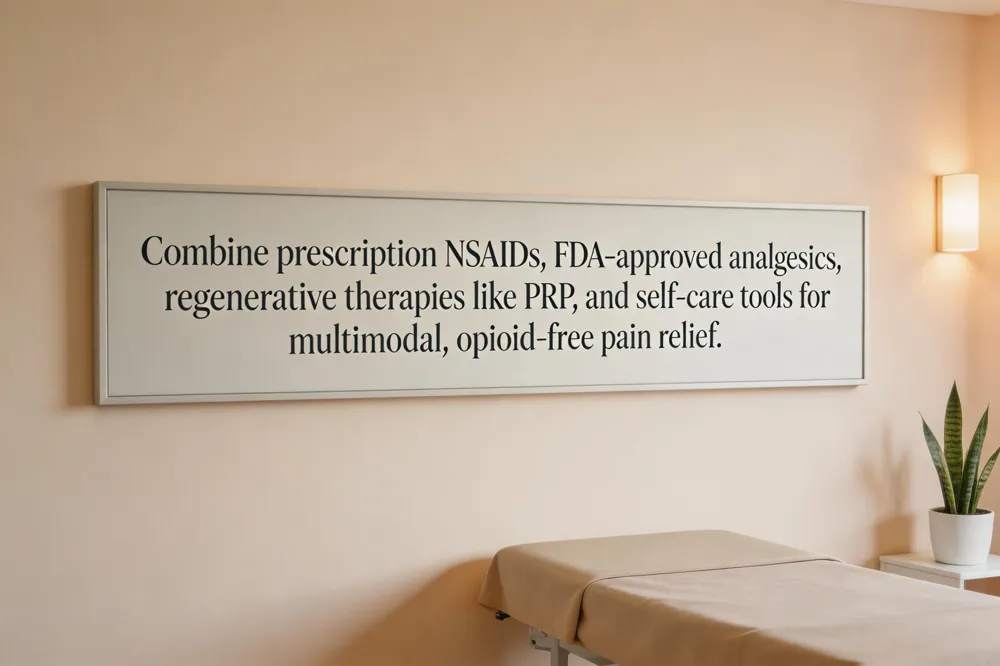 A modern, patient‑centered pain strategy blends pharmacology, regenerative medicine, and self‑care tools. Strongest non‑opioid analgesics include prescription‑strength NSAIDs such as diclofenac, naproxen, and COX‑2 inhibitors (celecoxib), which can rival mild opioids for moderate‑to‑severe pain. When NSAIDs fall short, the FDA‑approved drug suzetrigine (Journavx) and adjuncts like duloxetine or lidocaine patches provide high‑level relief for specific conditions. Comprehensive non‑opioid medication list covers acetaminophen, oral and topical NSAIDs, antidepressants (amitriptyline, duloxetine), anticonvulsants (gabapentin, pregabalin), and topical anesthetics (lidocaine, capsaicin). Adjunctive agents and topical therapies such as capSAicin creams and lidocaine patches target neuropathic pain, while systemic agents like duloxetine address central sensitization. Evidence‑based regenerative options feature platelet‑rich plasma (PRP) injections, which deliver autologous growth factors to accelerate tissue repair and reduce inflammation in back pain, tendinopathies, and carpal tunnel syndrome—often delaying or avoiding surgery. Practical self‑management tools include ergonomic adjustments, low‑impact aerobic exercise, mindfulness‑based stress reduction, adequate sleep (7‑9 hours), balanced diet rich in omega‑3s, hydration, and regular functional movement screenings. Together, these modalities form a multimodal, non‑opioid arsenal that maximizes healing, minimizes drug side‑effects, and supports long‑term wellness.
Mind‑Body and Lifestyle Strategies for Wellness
 Improving overall wellness starts with a nutrient‑dense, balanced diet rich in vegetables, lean proteins, whole grains, omega‑3 fatty acids, and limited added salt. Regular movement—mixing aerobic activity, strength training, and gentle stretching or yoga—supports musculoskeletal health, cardiovascular fitness, and metabolic balance. Prioritizing 7‑9 hours of restorative sleep each night enables growth‑hormone release and tissue repair, while mindfulness, deep‑breathing, or meditation activates the parasympathetic nervous system to lower cortisol and improve immune function. Social connection, gratitude practices, and enjoyable hobbies further bolster emotional health.
The four pillars of integrative medicine are nutrition, healthy sleep, purposeful movement, and relaxation or stress‑management. Each pillar works synergistically: whole‑food nutrition reduces inflammation; consistent sleep fuels regeneration; purposeful movement maintains strength and flexibility; and relaxation techniques protect the nervous system from chronic stress‑related damage.
Non‑pharmacologic nursing interventions for pain focus on education, expectation management, and soothing‑based modalities. Nurses can apply heat/cold therapy, therapeutic massage, TENS, acupuncture, and structured exercise programs, while also teaching positioning, ergonomic adjustments, pacing, and breathing exercises. Digital therapeutics and biofeedback further individualize care.
A pain‑management handout should outline this multimodal approach: targeted physical therapy, ergonomic tips, paced activity, evidence‑based relaxation, hydration, and a brief overview of regenerative options such as Platelet‑Rich Plasma (PRP) injections for back pain, sports injuries, and carpal tunnel syndrome. Clear referral criteria empower patients to seek timely specialist evaluation when needed.
Regenerative Medicine in Action
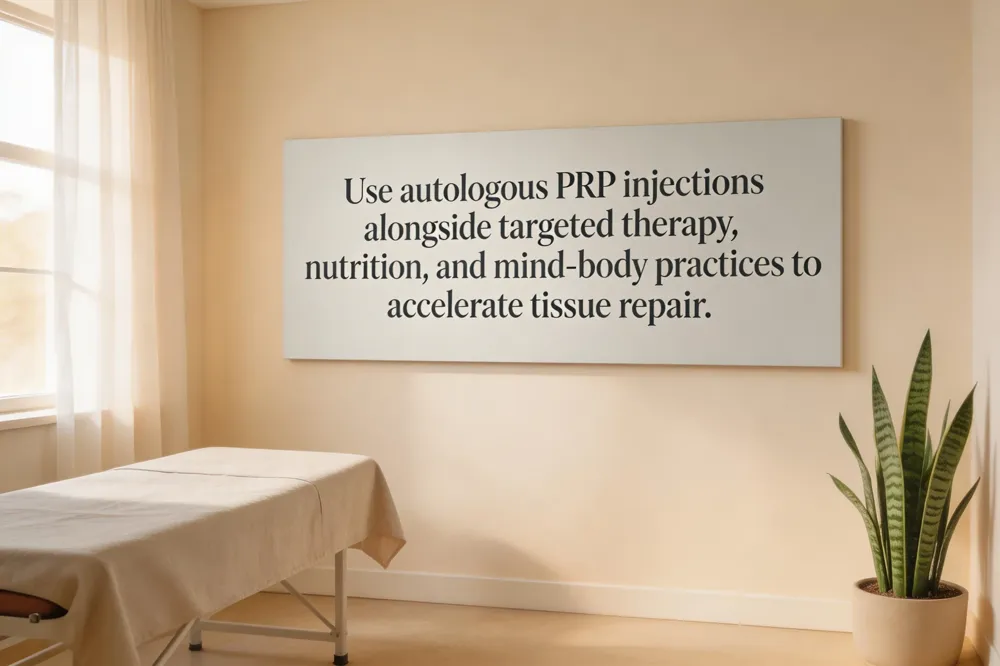 Platelet‑Rich Plasma (PRP) therapy harnesses a patient’s own growth factors to accelerate tissue repair and reduce inflammation in musculoskeletal conditions such as chronic knee osteoarthritis, rotator‑cuff tendinopathies, and carpal tunnel syndrome. Randomized controlled trials demonstrate significant pain relief and functional improvement, especially when combined with targeted physical therapy and nutrition. Within an integrative care model, PRP is paired with mind‑body practices—meditation, deep breathing, and music therapy—to lower cortisol and enhance immune response, while ergonomic adjustments and anti‑inflammatory diets support the healing cascade. Local expertise is exemplified by Mayo Clinic’s Jacksonville campus, which offers a comprehensive Integrative Medicine and Health program blending conventional care with acupuncture, massage, yoga, health‑coaching, and personalized PRP protocols. This patient‑centered, conservative approach enables shared decision‑making and real‑time monitoring of biomarkers, ensuring optimal outcomes for back pain, sports injuries, and other musculoskeletal complaints.
Digital and Community Support for Ongoing Wellness
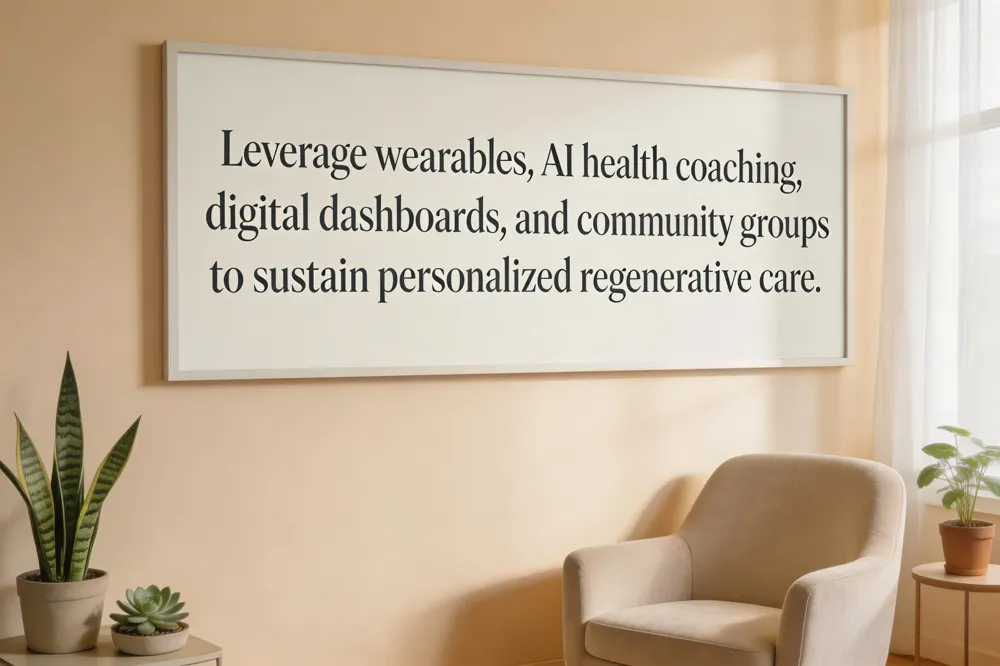 Wearable health technology—such as smart watches, activity trackers, and continuous glucose monitors—provides real‑time data on sleep, steps, heart rate, and biometrics, enabling patients to see how lifestyle choices affect inflammation and tissue repair. AI‑driven health coaching platforms analyze this data alongside genetic and environmental inputs to generate personalized recommendations for nutrition, movement, and stress‑reduction, reinforcing the integrative‑medicine principle that mind‑body‑spirit factors drive healing. Patient education and shared decision‑making are amplified when clinicians use digital dashboards that display progress toward SMART goals, biomarkers (e.g., inflammatory cytokines), and regeneration outcomes such as PRP‑related pain scores, fostering transparency and adherence. Finally, community engagement—online support groups, local wellness workshops, and social‑connection initiatives—leverages the documented link between strong relationships and lower cortisol, faster recovery, and improved immune function. Together, these digital and communal tools create a feedback loop that sustains personalized, regenerative care beyond the clinic.
Your Path Forward to Personalized, Non‑Surgical Wellness
Across the expert insights, a clear pattern emerges: combine evidence‑based lifestyle habits—adequate sleep, regular low‑impact aerobic activity, balanced nutrition rich in omega‑3s and whole grains, and mind‑body practices that lower cortisol—with conservative, non‑surgical therapies. Personalized, patient‑centered care begins with a comprehensive assessment of genetics, lifestyle, and environment, then tailors interventions such as physical therapy, ergonomics, and targeted nutrition. Regenerative options, especially Platelet‑Rich Plasma (PRP) injections, harness the body’s own growth factors to accelerate tissue repair and reduce inflammation in chronic back pain, tendinopathies, and carpal tunnel syndrome. By partnering with Dr. Jaimal Sangha, you can explore a conservative, integrative plan that integrates PRP with customized exercise, stress‑reduction techniques, and ongoing biomarker monitoring—empowering you to heal naturally while avoiding surgery. Take the first step toward optimal wellness by scheduling a personalized consultation today.