Introduction to Modern Aesthetic Body Contouring
Non‑invasive body‑contouring devices—cryolipolysis, radiofrequency, laser‑based light, therapeutic ultrasound, low‑level light therapy, magnetic muscle stimulation, and mechanical massage—are FDA‑cleared to target localized fat, remodel collagen, and improve skin laxity without incisions. A modern, patient‑centered practice places safety and realistic expectations first, screening for contraindications such as cold‑sensitivity disorders, implanted electronic devices, or active skin disease, and tailoring treatment plans to each individual’s ideal weight and aesthetic goals. Integrative clinics now combine these energy‑based modalities with regenerative medicine, most often autologous platelet‑rich plasma, to accelerate healing, reduce inflammation, and enhance collagen remodeling after contouring. Patients are encouraged to maintain stable weight, balanced nutrition, and regular exercise to prolong the benefits of these minimally invasive interventions.
Understanding Non‑Invasive Body‑Contouring Technologies
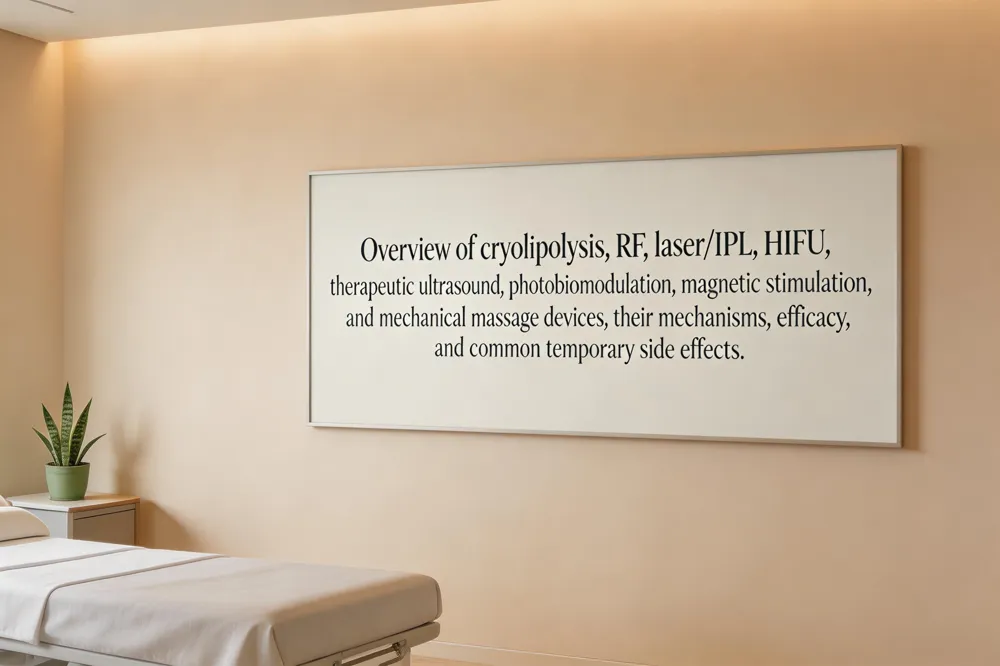 Cryolipolysis (fat freezing) uses controlled cooling to induce apoptosis of fat cells, and the body clears the fat over 2–3 months.
Radiofrequency (RF) energy heats subcutaneous tissue to promote collagen remodeling, fat cell disruption, and temporary skin tightening.
Light‑based technologies (laser, intense pulsed light) rely on infrared energy to heat fat and fibrous septae, improving cellulite appearance, but require eye protection to prevent retinal injury.
High‑intensity focused ultrasound (HIFU) creates precise thermal zones that disrupt fat cells and tighten skin via collagen denaturation and subsequent neocollagenesis. and Therapeutic ultrasound delivers high‑frequency sound waves that can cause adipocyte rupture; it is contraindicated over open wounds, active implants, or compromised skin.
Low‑level light therapy (photobiomodulation) uses non‑thermal visible light to modulate cellular activity and may temporarily reduce circumference, with minimal risk of burns or skin changes.
Pulsed magnetic field devices stimulate muscle contractions to improve tone and firmness, but are unsafe for individuals with pacemakers or other metallic implants. and Mechanical massage or vibration devices aim to improve lymphatic drainage and cellulite appearance, but can cause discomfort or bruising in sensitive individuals.
Does non‑surgical body contouring work? Yes. Clinical studies show isolated fat pockets can shrink 20‑30 % after a series of sessions with cryolipolysis, laser, RF, or ultrasound. Changes appear within weeks and peak at two to three months; results stay stable when weight is maintained.
Common temporary side effects of non‑invasive contouring procedures include redness, swelling, bruising, and mild pain.
Non‑invasive body contouring refers to cosmetic procedures that reshape the body without surgically removing tissue, and it does not treat obesity or provide weight‑loss health benefits.
Safety, Contraindications, and Expected Side Effects
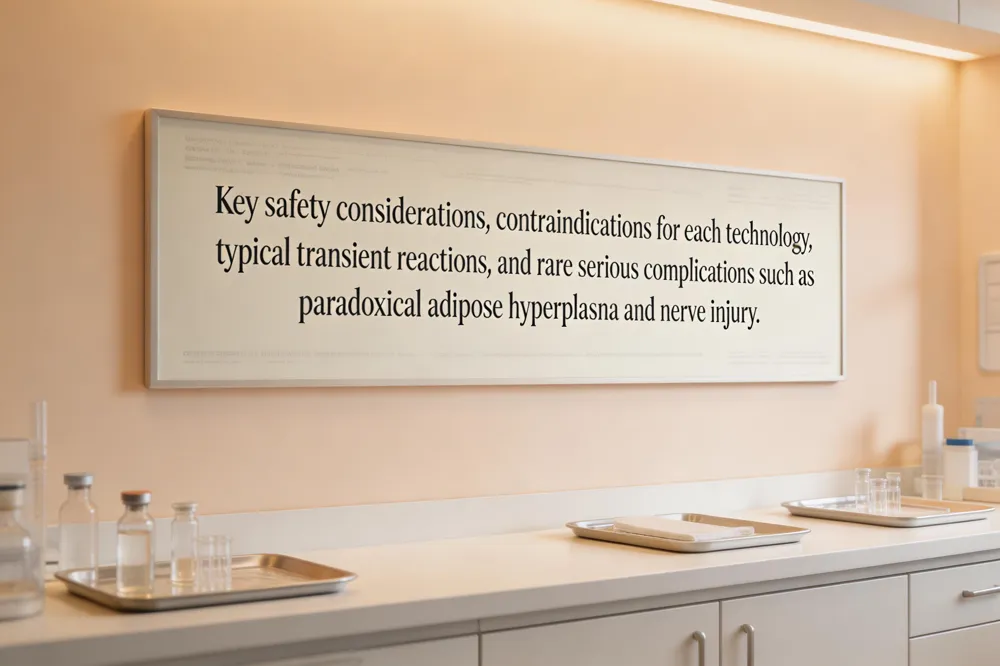 Non‑invasive body‑contouring procedures are generally well‑tolerated, but patients should be aware of both common and rare adverse events. Temporary reactions such as localized redness, swelling, bruising, and mild discomfort are typical after cryolipolysis, radiofrequency (RF), laser/ IPL, therapeutic ultrasound, magnetic‑muscle stimulation, or mechanical massage devices and usually resolve within a few days. Rare but serious complications can include paradoxical adipose hyperplasia (an unexpected increase in fat thickness) after cryolipolysis, permanent nerve injury, or skin burns that may require surgical repair. Contraindications vary by technology: cryolipolysis is avoided in individuals with cold‑sensitivity disorders (e.g., Raynaud’s disease) or poor peripheral circulation; RF should not be used in patients with implanted electronic or metal devices; light‑based devices require eye protection and are contraindicated in photosensitivity or recent tanning; ultrasound is unsafe over open wounds, compromised skin, or implants; magnetic and mechanical devices are prohibited for those with pacemakers or metal under the skin. The FDA mandates that all devices be cleaned and sterilized according to strict protocols and that procedures be performed by qualified health‑care providers—often board‑certified physicians or trained aestheticians under physician supervision—to ensure safety and efficacy.
Integrative Medicine Pillars and the Role of PRP
 The four pillars of integrative medicine—nutrition, stress management, physical activity, and sleep—form the foundation for tissue repair and collagen synthesis. Adequate nutrition supplies the amino acids, vitamins, and antioxidants needed for fibroblast activity, while stress‑reduction techniques (mindfulness, breathing, counseling) keep cortisol and inflammatory pathways in balance. Regular physical activity enhances circulation, delivers oxygen and nutrients to healing tissues, and stimulates muscle‑derived growth factors. Restorative sleep provides the nightly surge of growth hormone and other reparative cytokines that drive collagen remodeling.
Platelet‑Rich Plasma (PRP) is an autologous regenerative therapy that concentrates a patient’s own platelets and growth factors (TGF‑β, VEGF, PDGF, etc.). When injected after non‑invasive body‑contouring procedures —such as cryolipolysis, radiofrequency, or laser lipolysis—PRP augments the body’s natural healing response, reducing inflammation, accelerating tissue repair, and enhancing skin elasticity.
Advanced Integrative Medicine blends conventional care with evidence‑based complementary therapies, emphasizing a conservative, patient‑centered approach. By integrating the pillars of nutrition, stress management, activity, and sleep with PRP treatments, clinicians can support the innate capacity for regeneration, offering safe, surgery‑free alternatives for aesthetic contouring and overall wellness.
PRP for Hair Restoration: Procedure and Success Rates
 Platelet‑rich plasma (PRP) therapy begins with drawing a small amount of the patient’s blood, which is centrifuged to separate and concentrate platelets into a growth‑factor‑rich plasma. The clinician then injects this serum superficially into thinning scalp areas using a fine‑gauge needle, typically in a grid pattern covering the affected zones. The key growth factors—fibroblast growth factor (FGF), vascular endothelial growth factor (VEGF), and epidermal growth factor (EGF)—stimulate follicular cells, prolong the anagen phase, and improve micro‑circulation, fostering thicker, darker hair. Clinical studies report that 60‑80 % of patients notice a measurable increase in hair density after a standard protocol of three to four monthly sessions, with an average 30‑40 % rise in hair count and thickness; maintenance treatments are often needed every 6‑12 months. Ideal candidates are individuals with early‑stage androgenetic alopecia or mild thinning, not extensive baldness, and who have realistic expectations. Because PRP is autologous, allergic risk is minimal, making it a safe, patient‑centered option for regenerative hair restoration.
Facial Rejuvenation with PRP (Vampire Facial)
 Facial PRP, commonly called the “vampire facial,” begins with a small blood draw that is centrifuged to isolate platelet‑rich plasma. The PRP is then applied to the face and delivered either through microneedling, which creates micro‑channels for deeper penetration, or via direct intradermal injections. Both methods release growth factors that stimulate fibroblasts to produce new collagen and elastin, resulting in firmer, more elastic skin. Clinical benefits include smoother texture, reduced fine lines, brighter overall tone, and noticeable improvement of acne‑scar appearance. Recovery is minimal: patients may experience mild redness, swelling, or bruising that typically resolves within 48–72 hours. Because the product is autologous, the risk of allergic reaction or infection is negligible, making it a safe, patient‑centered option for conservative skin rejuvenation.
PRP for Musculoskeletal Pain and Practical Access
 Platelet‑rich plasma (PRP) injections use a patient’s own blood, spun to concentrate platelets 2‑8× normal, then injected into injured tissue under ultrasound guidance. The growth‑factor‑rich plasma promotes cell repair, reduces inflammation, and supports faster recovery of tendons, ligaments, joints, and even spinal structures, making it a non‑surgical option for back pain, sports‑related injuries, and carpal‑tunnel syndrome. In the United States a knee PRP injection typically costs $500‑$2,500 per session, with most clinics pricing around $1,000; cost varies by region, provider expertise, PRP kit, and treatment plan, and insurance usually does not cover it. To locate qualified PRP providers, search for board‑certified physicians or regenerative‑medicine clinics specializing in orthobiologics, sports medicine, or pain management. Verify credentials, read reviews, and confirm an in‑office PRP preparation system. Examples include Dr. Jaimal Sangha’s Advanced Integrative Medicine center, which offers a conservative, patient‑centered approach for back pain, sports injuries, and carpal tunnel. Discuss pricing, number of sessions, and payment options during your initial consultation.
Practical Considerations: Insurance, Functional Medicine Downsides, and Patient Selection
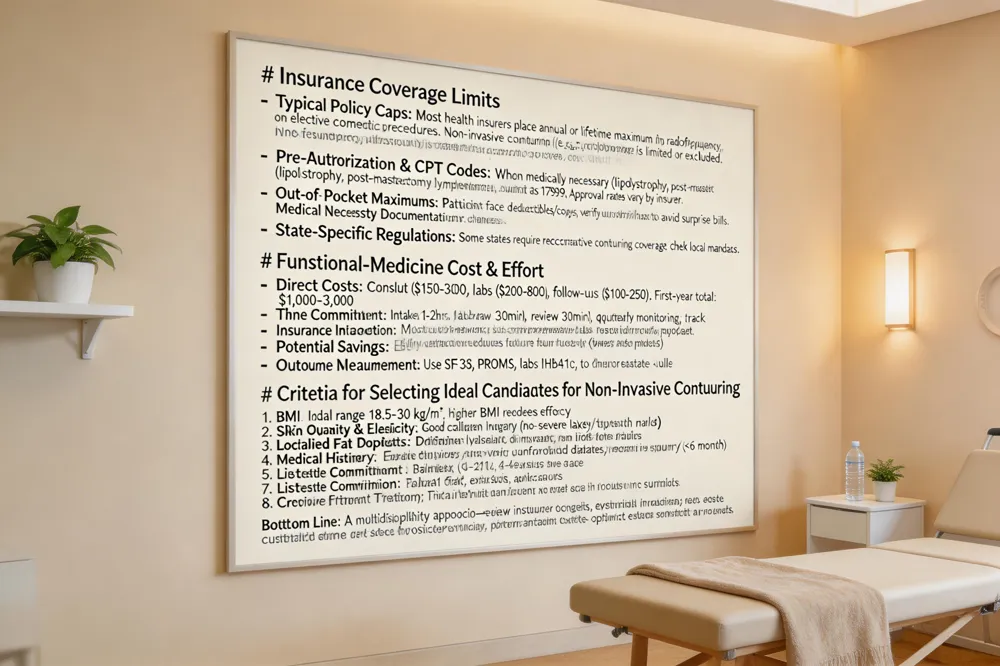 The downside of functional medicine lies in its extensive lifestyle demands and cost. It often requires multiple laboratory panels, strict dietary changes, and long‑term supplement regimens that are not covered by insurance, leading to high out‑of‑pocket expenses and potential patient fatigue. Over‑testing can also divert attention from evidence‑based treatments.
Ideal candidates for non‑invasive body‑contouring are individuals near their goal weight with isolated, diet‑resistant fat pockets, good skin elasticity, and realistic expectations. Contra‑indications include cold‑sensitivity disorders for cryolipolysis, implanted electronic devices for radiofrequency, and active infection or uncontrolled systemic disease. A thorough medical history and shared decision‑making ensure safe, patient‑centered outcomes.
Key Takeaways and Next Steps
Non‑invasive contouring—cryolipolysis, RF, laser, ultrasound, magnetic muscle stimulation, and red‑light therapy—offers modest, gradual fat reduction (typically 15‑25 % per treated area) and skin tightening without incisions, but it is not a weight‑loss solution and may require several sessions. Platelet‑Rich Plasma (PRP) serves as a regenerative adjunct, delivering autologous growth factors that accelerate healing, reduce bruising, and enhance collagen remodeling across these modalities. A patient‑centered, conservative strategy—thorough history, realistic expectations, and lifestyle support—maximizes safety and durability of results. Schedule a personalized consultation with Advanced Integrative Medicine to design a tailored, evidence‑based treatment plan.