
Start With What Matters
A useful wellness plan begins with what matters to you: the health concerns you want to address, the activities you hope to keep doing, and the routines your life can realistically support. Rather than follow a generic checklist, you and your clinician can shape a plan around your goals, values, and circumstances. This shared approach reflects person-centered care, in which care planning responds to an individual’s preferences.
Wellness reaches beyond physical health. Mental and emotional well-being, relationships, a sense of purpose, and daily habits can all affect how a person feels and functions. Integrative medicine considers these dimensions while combining appropriate conventional care with evidence-informed complementary approaches, rather than assuming one treatment fits everyone. Mayo Clinic’s overview of integrative medicine describes care plans tailored to a person’s health and well-being goals.
For people managing pain, this may mean discussing daily function and priorities alongside symptoms. At Advanced Integrative Medicine, the approach is conservative and patient-centered, with non-surgical regenerative care considered in the context of each person’s needs. The sections ahead explain how to assess those needs, set workable goals, and consider care options with a clinician, without treating any approach as right for everyone.
Understand Integrative Medicine
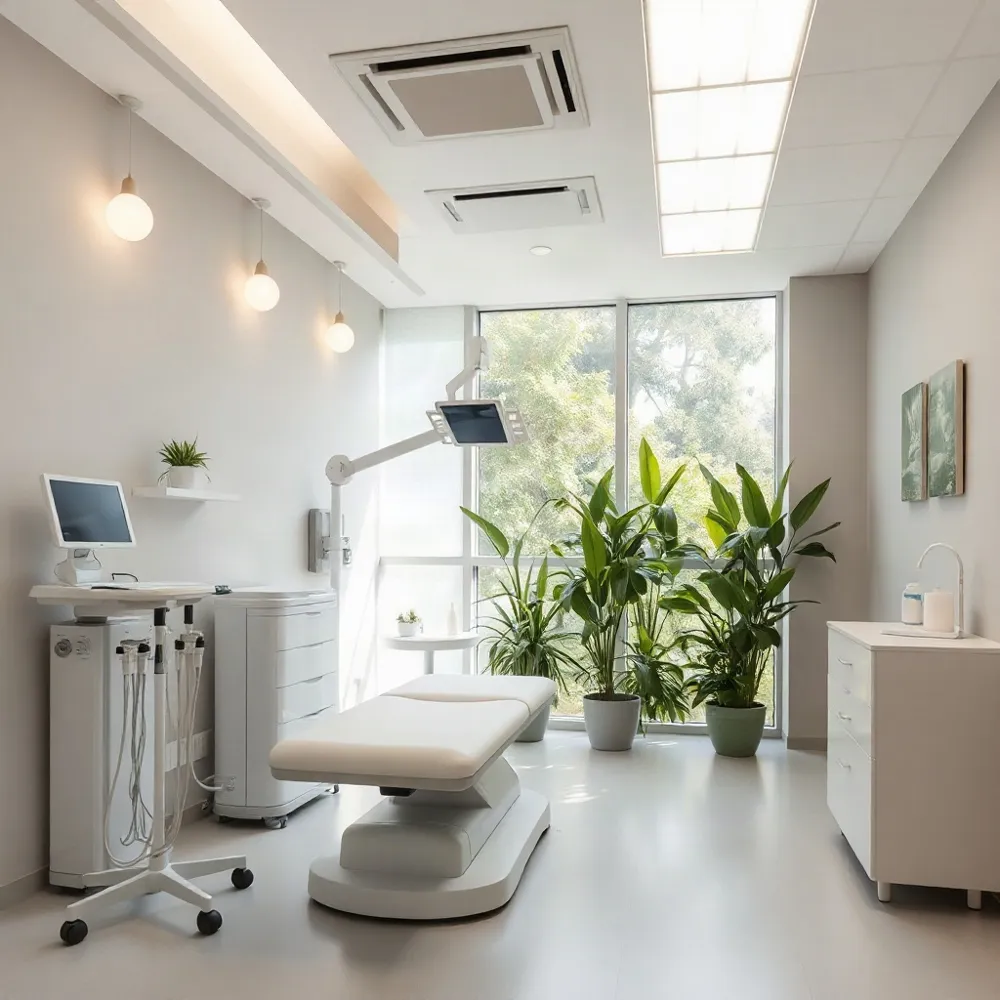 Integrative medicine combines appropriate conventional medical care with complementary approaches, guided by evidence and the needs of the individual. Rather than focusing only on a diagnosis or symptom, it considers how physical, mental, emotional, social, and spiritual well-being, along with lifestyle, can shape health. The University of Arizona Andrew Weil Center for Integrative Medicine describes this as whole-person care that pairs conventional treatment with suitable complementary practices.
The approach is collaborative: the patient and practitioner discuss goals, preferences, health history, and practical circumstances, then decide together which options may fit. Care may also involve communication with other clinicians, so complementary approaches are considered alongside existing treatment rather than in isolation. At Advanced Integrative Medicine, this patient-centered outlook informs its conservative approach to pain care, including regenerative medicine options such as platelet-rich plasma therapy when appropriate.
Integrative care can include nutrition, movement, meditation, acupuncture, massage, stress management, or supplements, but these are not a standard package for everyone. The Mayo Clinic’s overview of integrative medicine emphasizes tailoring practices to a person’s goals and considering their usefulness and safety. A clinician should review medicines and supplements for possible interactions, and complementary therapies should not replace necessary conventional care without medical guidance.
The aim is to address factors that may contribute to a health concern, support the body’s capacity to heal, and promote prevention and long-term well-being. That does not mean every therapy is suitable for every person or condition. Advanced Integrative Medicine’s focus on non-surgical pain management reflects this cautious balance: treatment choices are considered in the context of the individual, rather than assuming one intervention fits all.
Put the Patient at the Center
Patient-centered care starts with the person, not simply a diagnosis or scan result. The clinician needs to understand what the patient hopes to do, what concerns them, which treatments they prefer or want to avoid, and how their medical history may affect the options. The CMS definition of person-centered care emphasizes care shaped by a person’s goals, values, and preferences, with patients and providers making plans together.
That conversation matters in integrative medicine because there is no single plan that fits every person. A clinician and patient can review appropriate conventional care alongside complementary approaches, then weigh how each option fits the person’s needs and circumstances. Advanced Integrative Medicine describes its pain care as conservative and patient-centered, with non-surgical options such as platelet-rich plasma (PRP) considered in the context of an individual’s concerns.
For pain, a discussion about a possible treatment should cover its purpose, potential benefits and risks, the evidence available, and reasonable alternatives, including choosing not to proceed. Mentioning PRP does not mean it is suitable for every person or condition, and no particular result should be assumed. Clear explanations and time for questions help patients make informed choices.
A plan should also change when health, priorities, or daily circumstances change. Patients and clinicians can agree on goals that matter to the individual, discuss how progress will be assessed, and revisit whether the approach still makes sense. Research on patient-centered healthcare highlights shared decision-making and patient-reported outcomes, including pain relief, as ways to keep care responsive to the person’s experience: patient-centered healthcare research.
Distinguish Integrative and Functional Care
The terms describe related but distinct approaches. Integrative medicine combines appropriate conventional care with evidence-informed complementary practices, while considering a person’s physical, mental, and emotional well-being. The University of Arizona’s overview of integrative medicine describes this as a whole-person approach that relies on evidence and does not reject conventional treatment.
Functional medicine is a more specific approach that examines how interconnected body systems and individual factors may contribute to symptoms. It often involves detailed assessment and a plan aimed at those potential contributors. The approaches overlap in their attention to personalization, prevention, and concerns beyond isolated symptoms, but they are not interchangeable terms.
For example, integrative care may add acupuncture, mindfulness, or nutrition support to standard treatment when appropriate. Functional medicine may place greater emphasis on assessing biological factors that could be contributing to a person’s condition. These examples do not mean either approach should replace needed conventional care or emergency treatment.
At Advanced Integrative Medicine, Dr. Jaimal Sangha’s practice focuses on non-surgical regenerative options for pain, including platelet-rich plasma therapy, within a conservative, patient-centered approach. Discuss any proposed therapy, supplement, or change to ongoing treatment with a qualified clinician, particularly if you have a chronic condition or take medication. Integrative care teams can coordinate with other health professionals and review medicines and supplements when planning care, as Mayo Clinic’s integrative medicine guidance explains.
Build a Conservative Pain Care Plan
 For pain, a conservative plan can combine appropriate medical care with approaches chosen for the person’s condition, goals, and preferences. Integrative care is intended to complement conventional treatment, not replace evaluation or therapies a clinician considers necessary. Mayo Clinic’s overview of integrative medicine describes care planning that can include both medical treatment and supportive practices.
Depending on the source of pain and individual circumstances, options might include physical or manual therapy, acupuncture, massage, yoga, mindfulness, or cognitive behavioral therapy. These approaches may support pain relief, movement, and overall well-being, but they are not suitable for everyone and outcomes vary. A clinician can help weigh possible benefits, risks, and fit with other care.
At Advanced Integrative Medicine, Dr. Jaimal Sangha’s practice takes a conservative, patient-centered approach to pain and offers regenerative treatments such as platelet-rich plasma (PRP) for some conditions. A clinician can assess the specific concern and discuss whether PRP is appropriate; suitability and potential benefits require individual evaluation.
A plan should also account for current medications, other health conditions, and care already provided by a primary clinician or specialist. Share information about treatments and supplements with the care team, and coordinate any new approach with them. Persistent, worsening, or concerning pain warrants timely medical evaluation rather than self-treatment.
Turn Health Priorities Into Goals
Before choosing a goal, take stock of what daily life is actually like. Note pain or other symptoms, sleep, energy, stress, movement, eating habits, social support, and practical barriers such as time or transportation. A candid review can help distinguish what you most want to change from what may need clinical attention.
Start with one or two priorities rather than trying to change every habit at once. Connect each to a personally meaningful reason, such as walking more comfortably to enjoy time with family. Harvard Health’s goal-setting guidance recommends goals that reflect a purpose that matters in a person’s life now.
Make the next step SMART: specific, measurable, attainable, relevant, and time-bound. For example, someone whose clinician agrees that walking is appropriate might begin with a short walk on several days each week, then review how it feels after a set period. The amount and pace should match current ability, not an idealized version of fitness.
If you have a health condition, discuss changes to diet or activity with a healthcare professional. At Advanced Integrative Medicine, a conservative, patient-centered approach to pain care can help keep personal goals and medical considerations in view when discussing options.
A missed session or difficult week is useful information, not proof that the goal has failed. Consider whether the action was too demanding, the timing unrealistic, or a barrier was overlooked. Adjust the step or timeline while keeping the underlying priority if it still matters to you.
Make the Plan Fit Daily Life
A useful plan has to work in the life a person actually lives. A goal can become a small routine, such as scheduling movement around existing commitments, preparing clothes or equipment the night before, or adding a brief breathing practice to a regular break.
Practical barriers matter, too. Work hours, transportation, treatment costs, access to services, available support, and the home or workplace environment can all affect follow-through. Discussing these circumstances with a clinician can help shape a plan around what is feasible. This reflects CMS guidance on person-centered care, which emphasizes care planning that responds to a person’s goals, values, and preferences.
Simple supports can make a routine easier to maintain: a paper journal or app to record symptoms, reminders for planned activities, or a water bottle or exercise mat placed where it is easy to notice. Friends or family may offer encouragement or practical help when the patient wants them involved. At Advanced Integrative Medicine, a conservative, patient-centered approach to pain management means considering a person’s circumstances while discussing options that may support recovery without surgery.
Examples tailored to the person
For back pain, a patient and clinician might discuss medical evaluation, physical therapy, gradual activity, and sleep or stress strategies. They could also review whether platelet-rich plasma (PRP) is appropriate for the person’s condition and goals. For a sports injury, they might agree on return-to-activity milestones and coordinate rehabilitation with any selected medical treatment. A carpal tunnel plan could include tracking symptoms, adjusting activities or ergonomics, and reviewing conservative or procedural options in light of symptom severity and the patient’s priorities.
These are examples, not standard protocols. Each plan should be agreed with a clinician, take existing care into account, and change when clinical findings, symptoms, or daily needs change. Integrative approaches are intended to complement appropriate medical care, not replace it, as Mayo Clinic’s overview of integrative medicine explains.
Review Progress and Adjust Together
 A wellness plan is a working document, not a fixed prescription. Symptoms, abilities, priorities, and daily circumstances can change, so review the plan with the care team and update it when needed. Person-centered care calls for decisions shaped by the patient’s goals and preferences, with progress assessed in terms that matter to the individual (CMS guidance on person-centered care).
Choose measures that reflect the reason for the plan. Depending on the person, that may mean noting pain, sleep, energy, mobility, or whether a valued activity is becoming easier. Patient-reported outcomes can help show whether care is improving symptoms or daily function, while a discussion of the care experience can surface concerns about communication or access (research on patient-centered healthcare).
At each review, discuss what seems helpful, what feels impractical, and what barriers have appeared. A missed goal is information, not a verdict: the target, timing, or strategy may need to change. For someone receiving pain care, Advanced Integrative Medicine’s conservative, patient-centered approach provides a context for discussing how treatment fits with personal goals and daily function, rather than assuming one plan suits everyone.
The next step should be one the patient and clinician can evaluate together. Advanced Integrative Medicine focuses on non-surgical options, including platelet-rich plasma therapy, while considering the person’s condition and recovery goals. Keep clinical guidance and personal priorities in the same conversation, then revisit the plan as experience offers new information.
Keep the Plan Personal
A personal plan should reflect your goals and daily life, combining evidence-informed options with necessary medical care. Advanced Integrative Medicine offers conservative pain care, including PRP. Start with one realistic goal, and discuss questions or care options with a qualified clinician.