
Why Everyday Movement Matters
Getting up from a chair, climbing stairs, dressing, or carrying groceries can feel more effortful when movement is stiff or restricted. These ordinary tasks depend on more than flexibility: mobility is the ability to move joints through their available range with control.
Mobility supports everyday activities such as sitting and stair climbing, as well as exercise, but it is a general movement and fitness goal, not a promise to treat a specific condition. National Geographic’s overview of mobility explains how controlled joint movement differs from simply stretching a muscle.
At Advanced Integrative Medicine, care for pain is conservative and patient-centered, with non-surgical options such as platelet-rich plasma therapy considered for some conditions. A suitable movement routine is a separate, practical way to work on daily function. Begin by noticing which tasks feel difficult, then choose gentle movements that fit your abilities and adapt them as needed. The aim is comfortable participation in everyday life, without assuming exercise can replace an individual medical assessment.
When Daily Tasks Become Harder
 Activities of daily living, often called ADLs, are routine tasks needed for personal care and independence. They include bathing, dressing, eating, using the toilet, and moving from place to place.
Instrumental activities of daily living, or IADLs, involve more complex tasks that help people manage everyday life. Cooking, shopping, driving, and handling household responsibilities are common examples.
Pain, stiffness, weakness, or limited joint movement can make reaching, standing, lifting, and walking difficult. As a result, a familiar task may take longer, require a different approach, or call for help from another person.
When daily activities become harder, the effects can extend beyond physical effort. Needing assistance with personal care or household tasks may affect independence, safety, and quality of life. The National Institute on Aging discusses the role mobility plays in living independently as people age.
At Advanced Integrative Medicine, Dr. Jaimal Sangha takes a conservative, patient-centered approach to pain management, with options such as platelet-rich plasma therapy intended to support the body's recovery. If pain or mobility changes are interfering with routine activities, a clinician can assess possible causes and discuss suitable treatment and practical support. Gentle movement may be part of a broader plan, but it should not replace an assessment when symptoms persist or worsen.
Mobility And Comfortable Movement
 Mobility and flexibility are related, but they describe different abilities. Mobility is how well you can move a joint through its available range with control. Flexibility refers more specifically to how much a muscle can lengthen. A muscle may stretch easily, yet the joint it supports may still be difficult to move comfortably during an everyday task. National Geographic’s overview of mobility explains this distinction and its relevance to ordinary movement.
That control matters when bending to dress, reaching for an item, walking, or changing position. Getting out of a chair, climbing stairs, bathing, and carrying groceries may feel less stiff or strained when joints and muscles move more freely. Mobility also supports movement efficiency and coordination, so it matters outside sports and structured exercise.
For patients considering conservative care, Advanced Integrative Medicine takes a non-surgical, patient-centered approach to pain management, including regenerative treatments such as platelet-rich plasma therapy. Mobility exercises may support general movement, but they are not a proven treatment for every cause of pain or restricted motion.
Progress can be gradual, and the right approach depends on what is limiting movement. Gentle flexibility exercises can be started slowly and adjusted over time, as the NHS flexibility guidance advises. A clinician can help determine which movements are appropriate and whether other care is needed. New or worsening pain should be evaluated rather than pushed through.
Building A Balanced Home Routine
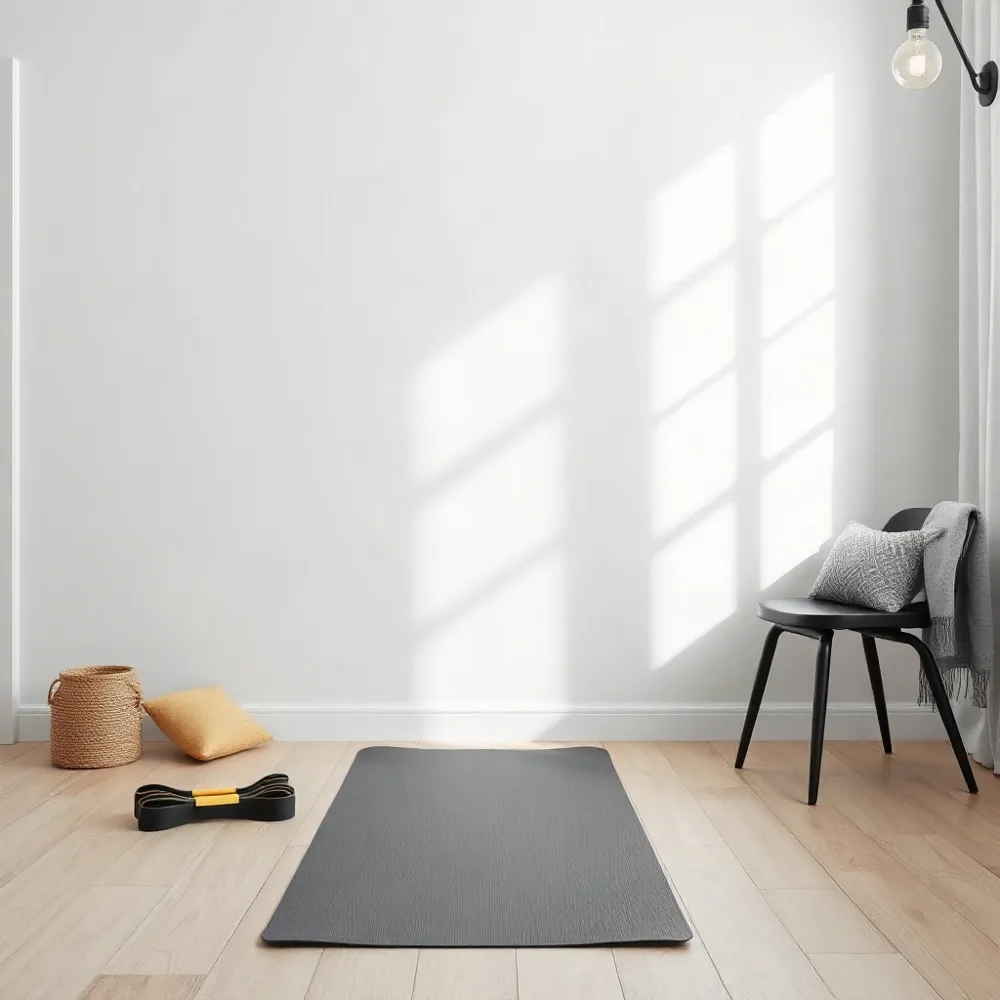 A home routine can combine gentle joint movements, stretching, strengthening, balance practice, and low-impact aerobic activity such as walking or stationary cycling. Moving a joint through a comfortable range may ease stiffness, while stretching and gradual resistance work support flexibility and strength. Balance exercises can help build steadiness for everyday activities.
For people managing pain or movement limits, Advanced Integrative Medicine takes a conservative approach, with care focused on supporting the body’s recovery and considering non-surgical options. Home exercise can complement that approach, but general routines are not a treatment for a specific medical condition.
The NHS flexibility exercises offer accessible examples: seated neck rotations and neck stretches, standing sideways bends, and a calf stretch performed with hands against a wall for support. These movements can be adapted to a comfortable range, rather than pushed to an extreme.
The NHS advises starting gradually and increasing repetitions over time. It recommends flexibility exercises at least twice a week, alongside sitting, balance, and strength routines. Wear loose, comfortable clothing and keep water nearby. Stop rather than force a movement that causes sharp or worsening pain, and ask a clinician or physical therapist about adjustments when an injury, condition, or limited ability affects what feels safe.
Adapting Movement To Your Abilities
How can people with pain or limited mobility adapt exercise to their abilities? Start with movement that feels comfortable and easy to control, such as gentle joint movements, a short walk, or seated activity. The right choice depends on what you need to do in daily life and which movements feel manageable.
Adapt the setup before increasing effort. A chair or stable surface can provide support, and changing a position or reducing the range of motion may make an activity more comfortable. Keep early sessions brief, pause for rest when needed, and increase time or intensity gradually instead of pushing through fatigue.
A routine does not need to be long to be useful. National Geographic suggests practicing mobility daily when feasible, or choosing two to three short sessions each week as a practical alternative. Exercises can also be selected around the movements a person wants to make more comfortably, rather than following a one-size-fits-all sequence. National Geographic’s guide to mobility training discusses matching practice to movement needs.
At Advanced Integrative Medicine, care takes a conservative, patient-centered approach, with treatments such as platelet-rich plasma therapy considered for pain conditions when appropriate. A clinician or physical therapist can help adapt activity to a person’s condition or injury, and clarify whether a particular movement is suitable.
Stop if an exercise brings sharp, worsening, or unusual pain, and seek professional guidance rather than trying to work through it. The NHS advises starting flexibility exercises gradually and increasing repetitions over time, but general exercise guidance cannot determine what is safe for every individual. NHS flexibility exercise guidance offers gentle examples and advice on easing into movement.
Consistency Without Overpromising
A short, regular movement practice is often easier to maintain than occasional long sessions. The National Geographic review suggests that two to three brief mobility sessions each week can be a practical approach, though frequency should suit each person’s abilities and routine. At Advanced Integrative Medicine, care is centered on the individual, with a conservative approach to pain management rather than a one-size-fits-all exercise prescription.
A 2024 systematic review examined 22 studies of approaches including yoga, Pilates, dynamic stretching, and dance. Twenty reported significant improvements in athletic performance, but those findings do not show that mobility exercises treat a particular medical condition or injury. The review’s findings concern athletic outcomes, not a substitute for clinical evidence about treatments such as platelet-rich plasma therapy.
Mobility practice is a general movement and fitness activity, not a replacement for medical assessment or individualized care. If pain persists or movement remains restricted, Advanced Integrative Medicine’s patient-centered practice considers non-surgical options, including regenerative treatments, based on the person’s condition. Appropriate next steps vary, but comfortable movement can make ordinary routines feel more manageable.
A Practical Next Step
Better mobility may make everyday movements feel more comfortable, but progress varies and is not guaranteed. The NHS flexibility exercises advise starting gradually and increasing activity over time.
Begin with movements that feel manageable, and pay attention to how your body responds. If pain, limited movement, or uncertainty makes exercise choices difficult, ask a clinician or physical therapist for guidance. At Advanced Integrative Medicine, Dr. Jaimal Sangha emphasizes a conservative, patient-centered approach to pain care, including non-surgical options.