Setting the Stage for Regenerative Aesthetics
The aesthetic field is moving away from filler‑centric volumes toward tissue‑repair‑centric strategies that harness the body’s own healing pathways. Dr. Jaimal Sangha’s practice exemplifies this shift with a patient‑centered philosophy that prioritizes individualized assessment, minimally invasive techniques and restorative outcomes over temporary volumetric changes. By pairing autologous platelet‑rich plasma (PRP) and other biologics with pain‑management protocols—such as back‑pain, sports‑injury and carpal‑tunnel treatments—he creates synergistic plans that address both functional recovery and facial rejuvenation. This integrated approach reduces downtime, leverages natural collagen remodeling, and offers a conservative, non‑surgical alternative that aligns with patients’ desires for lasting, health‑based aesthetic improvement.
The Evolution of Regenerative Aesthetics
 Historically, aesthetic medicine was dominated by volumetric correction—injectable fillers, botulinum toxin, and laser resurfacing were used to add or smooth tissue without altering its underlying biology. Over the past decade a shift toward extracellular‑matrix (ECM) remodeling has emerged, driven by biostimulatory agents such as poly‑L‑lactic acid (PLLA) and calcium hydroxyapatite (CaHA) that provoke a controlled foreign‑body response, leading to neocollagenesis and dermal‑hypodermal integration. This regenerative focus prioritizes functional integration, durability, and organized matrix remodeling rather than the fleeting volume gain of traditional fillers.
What is the difference between aesthetic and Regenerative medicine?
Aesthetic medicine seeks immediate cosmetic improvement—adding volume, reducing wrinkles, or resurfacing skin—using agents that act primarily as space‑fillers or neurotoxins. Regenerative medicine, by contrast, aims to restore normal tissue function by harnessing the body’s innate healing pathways: autologous platelet‑rich plasma (PRP), exosomes, stem‑cell‑derived extracellular vesicles, and biostimulators stimulate fibroblast activity, angiogenesis, and ECM re‑organization. In Dr. Jaimal Sangha’s practice, PRP is employed both for pain relief in musculoskeletal conditions and for skin rejuvenation, illustrating the overlap yet distinct intent: regenerative treatments target long‑term tissue health and structural repair, while aesthetic interventions focus on short‑term visual enhancement.
Platelet‑Rich Plasma: From Orthopedics to Facial Rejuvenation
 Platelet‑Rich Plasma (PRP) is an autologous concentration of platelets that delivers a cocktail of growth factors—including PDGF, TGF‑β, VEGF, EGF, and IGF‑1—directly to target tissues. Once activated, these factors stimulate fibroblast proliferation, neocollagenesis, and angiogenesis, leading to measurable improvements in dermal thickness, elasticity, and scar remodeling. In orthopedic applications, PRP’s high platelet count (often 3‑8× baseline) modulates inflammation, promotes tendon and cartilage repair, and has been shown in randomized trials to reduce pain scores and improve functional outcomes for conditions such as lumbar disc degeneration, chronic tendinopathies, and carpal tunnel syndrome. The same regenerative mechanisms translate to facial rejuvenation: intradermal PRP injections trigger fibroblast activity, increase collagen and elastin deposition, and enhance micro‑circulation, resulting in smoother texture, reduced fine lines, and heightened skin firmness within weeks.
Regenerative medicine for pain management
Regenerative medicine for pain management harnesses the body’s innate healing pathways to repair damaged musculoskeletal tissue and alleviate chronic discomfort. In the United States, Dr. Jaimal Sangha’s practice employs minimally invasive injections of platelet‑rich plasma (PRP), stem‑cell‑derived exosomes, and autologous cellular tissue products to reduce inflammation, stimulate angiogenesis, and activate resident stem cells. PRP delivers concentrated growth factors from the patient’s own blood, while exosomes—tiny acellular vesicles sourced from umbilical‑cord stem cells—provide signaling molecules that promote cartilage, tendon, nerve, and bone regeneration. These therapies target the underlying cause of pain rather than merely masking symptoms, offering a safe alternative to surgery and long‑term medication use. By tailoring treatment to each patient’s condition—such as chronic back pain, sports injuries, or carpal tunnel syndrome—regenerative medicine supports natural recovery and improves functional outcomes.
Biostimulatory Fillers and Collagen Induction
 Poly‑L‑lactic acid (PLLA) and calcium hydroxylapatite (CaHA) are particulate collagen biostimulators that act as biodegradable scaffolds. After sub‑dermal injection they provoke a controlled, sub‑clinical foreign‑body response, recruiting macrophages and fibroblasts. PLLA particles, in particular, have the strongest longitudinal histological evidence of progressive neocollagenesis, with studies documenting increased dermal thickness and organized collagen bundles up to 12 months post‑treatment. Hyper‑diluted CaHA works similarly, providing immediate volume while its calcium‑based microspheres stimulate neocollagenesis and neo‑elastogenesis over several months. Essential to constructive tissue remodeling is macrophage polarization toward an M2‑like, pro‑regenerative phenotype, which releases cytokines that guide fibroblast activity and promote orderly extracellular‑matrix organization. This response extends beyond the dermis into the dermal‑hypodermal unit, where subcutaneous adipose tissue participates via paracrine signaling, enhancing angiogenesis and further supporting collagen integration.
Regenerative medicine advancements
Recent advances include:
- Platelet‑Rich Plasma (PRP) Optimization – Refined centrifugation protocols yield higher growth‑factor concentrations, boosting fibroblast proliferation and collagen synthesis.
- Exosome Therapy – Cell‑free vesicles delivering micro‑RNA and proteins modulate inflammation and accelerate dermal repair.
- Mesenchymal Stem Cell (MSC) Treatments – Autologous MSCs from bone‑ or adipose‑tissue support matrix remodeling and angiogenesis.
- Hybrid Therapies – Combining PRP with microneedling or radiofrequency enhances product penetration and synergistic aesthetic outcomes.
Exosomes and Emerging Cell‑Free Therapies
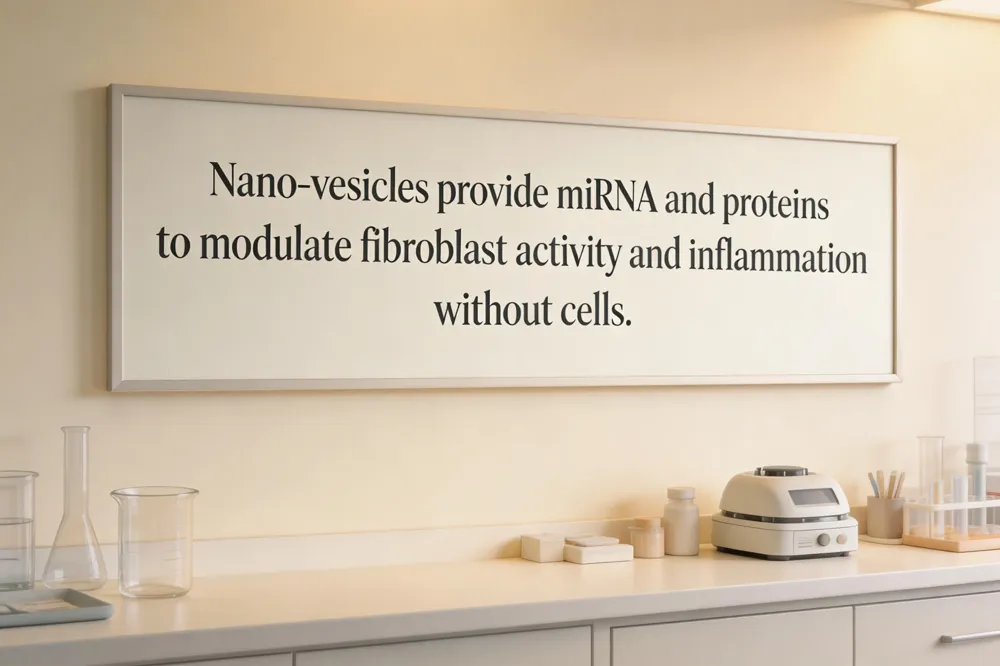 Exosomes are nano‑sized extracellular vesicles that can be harvested from several biologic sources, most commonly mesenchymal stem cells (MSCs), umbilical‑cord tissue, and even bovine milk. MSC‑derived exosomes carry a rich cargo of micro‑RNAs (e.g., miR‑21, miR‑27a, miR‑125b) and proteins such as TGF‑β, VEGF, and collagen‑stimulating peptides that modulate fibroblast activity, angiogenesis, and inflammation. Umbilical‑cord exosomes share a similar miRNA profile but are enriched for developmental growth factors, while bovine‑milk exosomes provide a high‑miRNA, low‑protein formulation that has been shown to up‑regulate antioxidant genes (CAT, SOD‑1, SOD‑2) and down‑regulate matrix‑metalloproteinases.
Regulatory status in the United States remains ambiguous: the FDA has cleared PRP devices for orthopedic and dermatologic use but has not approved any injectable exosome products, which are therefore marketed under cosmetic regulations without pre‑market clearance. Early clinical studies (2023‑2024) report statistically significant improvements in skin elasticity, wrinkle depth, and scar texture after a series of exosome‑enhanced microneedling or laser sessions, with a favorable safety profile limited to mild erythema and transient edema. Larger, standardized trials are still needed to define optimal dosing, preparation methods, and long‑term durability.
Regenerative medicine articles
Key peer‑reviewed sources and professional guidelines include:
- American Academy of Orthopaedic Surgeons (AAOS) – Regenerative Medicine Position Statement (2023)
- Journal of Regenerative Medicine – Special issue on PRP and exosome applications for musculoskeletal disorders (2022)
- Pain Medicine – Review of stem‑cell therapies for chronic low‑back pain (2024)
- ClinicalTrials.gov – Ongoing trials evaluating PRP vs. corticosteroid injections for carpal tunnel syndrome.
These publications provide evidence‑based insights into safety, efficacy, and best‑practice protocols.
Hybrid Regenerative Protocols: Energy‑Based Devices Plus Biologics
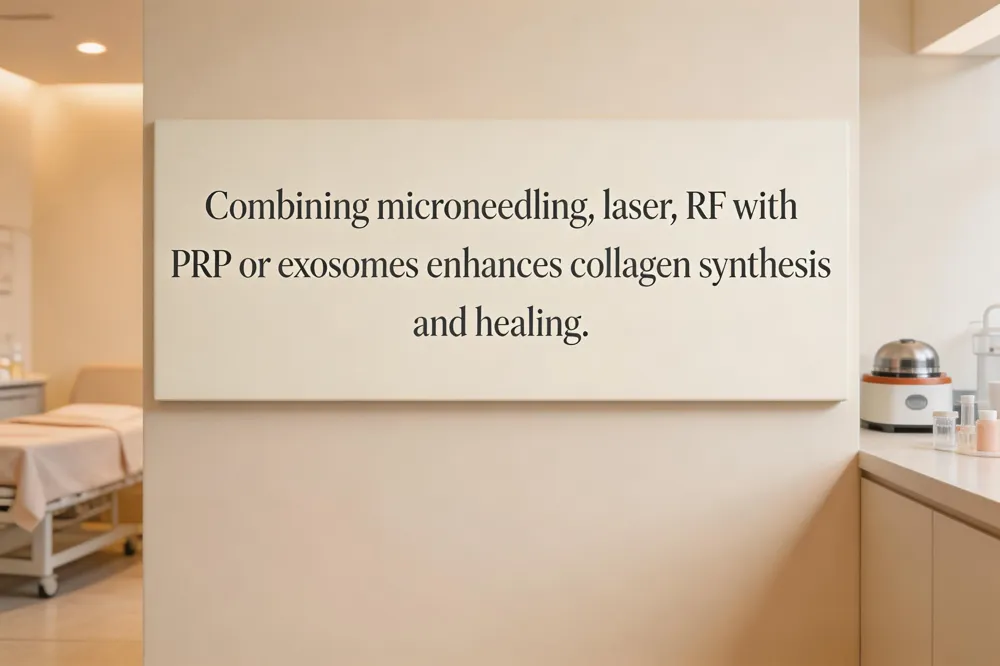 Regenerative medicine advancements are reshaping facial rejuvenation by pairing energy‑based devices with biologics. Microneedling, laser resurfacing, and radiofrequency synergy – Controlled micro‑injury from microneedling or laser resurfacing creates channels that enhance the delivery of autologous platelet‑rich plasma (PRP) and exosomes, while radiofrequency adds deep dermal heating that stimulates fibroblast proliferation. Clinical studies consistently show that adding PRP to microneedling or laser resurfacing yields greater collagen density, faster epidermal thickening, and reduced downtime compared with device‑only protocols.
PRP‑enhanced fillers and post‑procedure healing – Injecting low‑leukocyte PRP around hyaluronic‑acid or biostimulatory fillers (e.g., PLLA, CaHA) promotes a pro‑regenerative M2‑like macrophage environment, improving filler integration and extending volumetric durability. PRP also accelerates post‑laser or post‑microneedling healing by delivering PDGF, TGF‑β, and VEGF, which modulate inflammation and support angiogenesis.
Protocol timing and patient selection – Optimal regimens involve three PRP‑augmented sessions spaced 2–3 weeks apart, with the first device treatment followed by immediate PRP injection to capitalize on the inflammatory window. Ideal candidates are patients with early‑to‑moderate skin aging, acne scars, or mild laxity who have adequate platelet counts and no active infection or anticoagulant use. This conservative, patient‑centered approach maximizes tissue regeneration while minimizing surgical risk.
Patient‑Centred Integration in Dr. Jaimal Sangha’s Practice
 Dr. Jaimal Sangha’s clinic exemplifies a conservative, non‑surgical philosophy that places the patient’s health and goals at the forefront of every encounter. All regenerative procedures—platelet‑rich plasma (PRP), platelet‑rich fibrin (PRF), PRP‑enhanced fillers, and autologous stem‑cell‑derived fat grafts—are performed in an outpatient setting with minimal downtime, allowing patients to resume daily activities within 24‑48 hours.
Safety and reproducibility are ensured through rigorously standardized preparation protocols: blood is drawn in a sterile field, centrifuged using FDA‑cleared devices, and platelet counts are verified to exceed 1 million/µL before injection; leukocyte content and activation methods are documented for each session. Sterility checks, certificates of analysis, and a five‑day usage window are mandatory, aligning with FDA guidance for autologous biologics.
The practice uniquely merges pain‑management and aesthetic care. Patients presenting with musculoskeletal complaints such as back pain, sports injuries, or carpal tunnel syndrome receive PRP or PRF injections that modulate inflammation and promote tissue repair, while the same biologic platform is leveraged for facial rejuvenation, scar remodeling, and hair restoration. By coordinating these pathways, Dr. Sangha reduces reliance on surgery, improves overall functional outcomes, and delivers a cohesive, patient‑centred regenerative plan.
Looking Ahead: The Future of Regenerative Aesthetics
The next decade will shift the focus from fleeting volumetric fillers to genuine tissue quality, defined by durable collagen organization, angiogenesis, and dermal‑hypodermal integration. Advances in AI will enable personalized biologic cocktails—mixing autologous PRP, exosome‑derived miRNA, and targeted peptides—tailored to each patient’s cellular age and matrix status. Parallel efforts are needed to harmonize PRP and exosome preparation, establish consensus platelet‑concentration thresholds, and clarify FDA pathways for cell‑free therapies. Robust, multi‑center trials will validate long‑term safety and efficacy, turning regenerative aesthetics from experimental to evidence‑based standards that clinicians and regulators can confidently adopt.