Setting the Stage: The Promise of Stem Cell Banking
What is Stem Cell Banking and Regenerative Medicine?
Stem cell banking is the process of collecting, processing, and cryogenically preserving a person's own stem cells for potential future medical use. These cells are typically harvested from ready sources like umbilical cord blood, cord tissue, or adult tissues such as bone marrow and fat. The goal is to store them at their most potent state, ready for later application in regenerative medicine.
Regenerative medicine is a field focused on repairing or replacing damaged cells, tissues, and organs to restore normal function. This includes using stem cells, growth factors, and biomaterials to stimulate the body's own healing processes. It offers a pathway beyond invasive surgery, aiming instead to harness the body's natural ability to heal.
Relevance to Non-Surgical Pain Management
Stem cell banking provides a personal reserve of cells for future regenerative therapies. These therapies, such as stem cell injections and platelet-rich plasma (PRP), are increasingly used for non-surgical pain management. They target conditions like osteoarthritis, back pain, and sports injuries, offering a conservative alternative to surgery.
Connection to Dr. Jaimal Sangha’s Integrative Practice
Dr. Jaimal Sangha’s practice embodies this patient-centered, conservative approach. By integrating stem cell banking and regenerative treatments, he offers patients personalized options to stimulate natural healing, reduce pain, and avoid more invasive procedures. This aligns perfectly with the promise of stem cell banking: securing future health options through advanced, non-surgical care.
Regenerative Medicine – Meaning, Examples, and Where to Find It
Regenerative medicine is a branch of medicine focused on repairing, replacing, or regenerating damaged tissues and organs by harnessing the body’s own healing mechanisms. Rather than merely managing symptoms, it seeks to restore normal function through therapies such as platelet‑rich plasma (PRP), stem cell injections, prolotherapy, and tissue‑engineered scaffolds. PRP uses concentrated platelets to stimulate tendon, ligament, and joint healing; stem cell therapy employs mesenchymal stem cells from bone marrow or adipose tissue to rebuild cartilage, bone, and muscle, often combined with PRP for synergistic effect; prolotherapy injects a mild irritant (e.g., dextrose) to trigger inflammation that promotes connective‑tissue regeneration; scaffold‑based techniques support bone and cartilage repair. To locate providers, patients can search “regenerative medicine near me” and look for clinics that specialize in biologic treatments, verify staff credentials, and confirm compliance with FDA‑GMP and AABB or FACT accreditation today.
Stem Cell Banking – Benefits, Costs, and Worthiness
Stem cell preservation benefits
Banked autologous cells give immediate, rejection‑free access for regenerative therapies, covering >80 blood disorders and emerging treatments for Parkinson’s, diabetes, and orthopedic injuries. Collection preserves high‑potency cells for later use.
Stem cell preservation cost in USA
Initial private fees are $1,500‑$3,000 for collection, processing and shipping; annual storage $150‑$300, with prepaid multi‑year plans lowering total cost.
Stem cell banking benefits
Autologous cells remove immune‑rejection risk, improve match chances, and enable future personalized treatments for blood disease and tissue repair.
Is stem cell banking worth it?
Chance a child needs his own cells is ~0.06 %; major societies consider routine private banking low‑value unless a family has a genetic disorder.
Cord blood banking pros and cons
Pros: non‑invasive collection, hematopoietic source, low graft‑versus‑host risk. Cons: low personal‑use likelihood, cost, limited orthopedic relevance; public donation is a free alternative.
Quality, Accreditation, and Regulatory Landscape

Choosing a Compliant Stem Cell Bank: Accreditation and Regulation
Selecting a stem cell banking requires careful evaluation of accreditation and regulatory compliance. Reputable accreditation bodies include the AABB (Association for the Advancement of Blood & Biotherapies) and the Foundation for the Accreditation of Cellular Therapy (FACT). These organizations set rigorous international standards for collection, processing, and storage. For example, FACT-accredited banks, such as Cryo-Cell International, follow strict protocols to ensure cell viability and sterility. The U.S. Food and Drug Administration (FDA) also regulates cord blood banks under the Public Health Service Act, requiring compliance with Good Manufacturing Practice (GMP) standards. When evaluating providers, verify their accreditation and inspect their processing and storage documentation.
Regulatory Status: Banking vs. Therapy
It is crucial to distinguish between the service of stem cell banking and the therapeutic use of those cells. Stem cell banking itself is not a therapeutic product that receives FDA approval; it is a service for cryopreserving cells. However, hematopoietic stem cells (HSCs) from cord blood are FDA-approved for treating over 80 specific conditions, such as leukemia and sickle cell disease. Many other applications, particularly those using mesenchymal stem cells (MSCs) for orthopedics, remain investigational. Post‑thaw viability of stored cells can decline rapidly without proper handling, emphasizing the need for professional thawing and preparation protocols before therapeutic use. Patients should understand that banking does not guarantee a future cure, but rather preserves an option for potentially life-saving treatments.
Accreditation, Regulation, and Key Considerations Comparison
| Accreditation/Regulatory Body | Focus Area & Standards | Compliance for Patients & Providers |
|---|---|---|
| FACT | Accreditation for cellular therapy collection, processing, and storage. Sets standards for quality management. | Indicator of a bank’s high operational quality. Validates the facility meets rigorous international benchmarks. |
| AABB | Standards for blood banking and cellular therapies. Emphasizes donor suitability, processing, and cold chain management. | Similar to FACT; a key sign of a trustworthy provider. Ensures compliance with industry best practices. |
| FDA (U.S.) | Regulates cord blood units as HCT/Ps under 21 CFR Part 1271. Requires cGMP for processing and sterility. | Ensures that banked cells meet safety and potency standards for approved therapies. Differentiates approved uses from investigational ones. |
| HTA (U.K.) | Licenses tissue banks for the storage and use of human tissues. Mandates quality and safety standards. | Required for banks like Future Health Technologies. Provides an additional layer of regulatory oversight for international clients. |
| State/National Regulations | Vary by country; include inspection and documentation requirements (e.g., HIPAA for privacy). | Essential for legal compliance and ensuring the integrity of the stored sample and patient data. |
Public vs Private Cord Blood Banking – What Parents Should Know
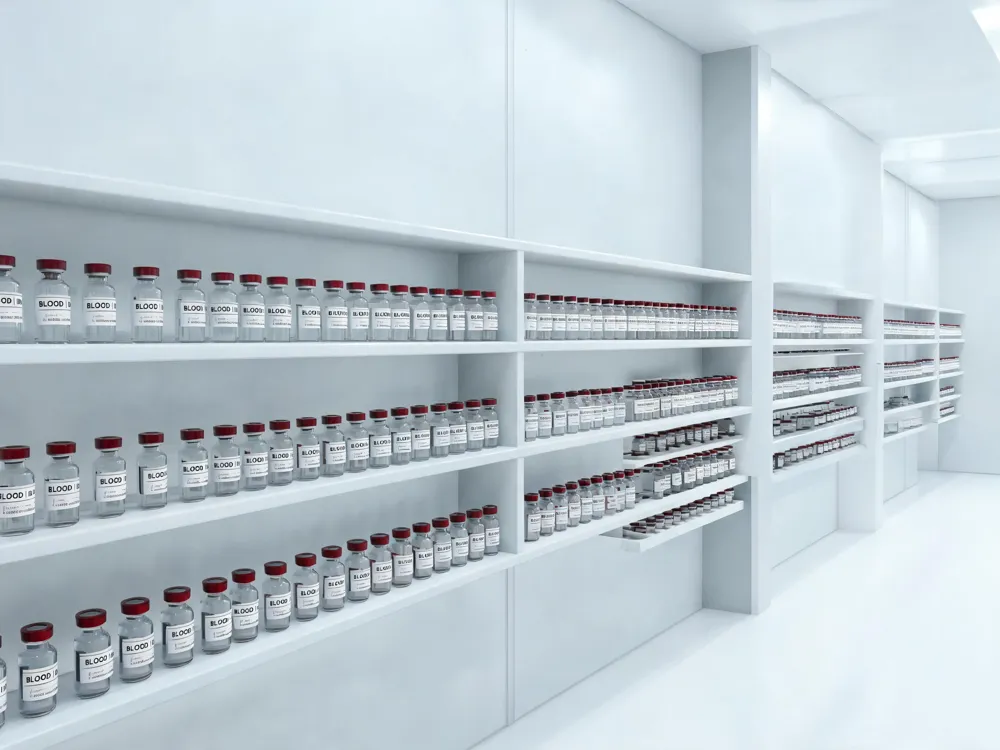 Public donation is free, performed after birth, and the unit is screened, HLA‑typed and listed in a national registry (e.g., NMDP). It helps strangers and supports research, but families lose exclusive access. Private banks such as CBR, Cryo‑Cell and Future Health collect cord blood (and often cord tissue), process with accredited protocols (AABB/FACT), and store at –196 °C. CBR offers deferred payment, genetic testing and the largest U.S. sample library; Cryo‑Cell uses PrepaCyte‑CB and has documented transplant cases; Future Health provides multi‑site backup and HTA‑licensed UK compliance. Costs range $1,500‑$3,000 upfront plus $100‑$300 yearly; public donation costs nothing. Decision factors include family medical history, likelihood of use (≈0.06 % by age 20), desire for “biological insurance”, and alignment with evidence‑based guidelines. Overall, private banking may be justified for families with known inherited disorders, while public donation remains the recommended default.
Future Directions – From Gene Editing to 100‑Year Outlook
 Emerging therapies such as CRISPR‑edited autologous stem cells, induced pluripotent stem cell (iPSC) platforms, and cell‑derived exosome treatments are moving from lab to clinic. By 2030 these tools will enable precise correction of genetic defects in a patient’s own cells, while iPSC banks provide limitless source tissue for organoids. Exosomes offer cell‑free delivery of regenerative signals, reducing immunogenic risk.
Projected advances include automated, GMP‑compliant cryopreservation that maintains >90 % viability for decades, and PRP‑stem cell protocols that accelerate healing. Integrated AI will match stored cells to the most effective therapy in time.
Where will medicine be in 100 years? Medicine will be preventive and regenerative, using biologics and tissues to restore function without surgery.
Stem cell preservation benefits Banked autologous cells give access for treating over 90 blood disorders and emerging conditions like Parkinson’s or diabetes, and they provide youthful material for orthopedic and chronic‑pain therapies.
Putting It All Together – A Wise Choice for Long‑Term Wellness
Stem cell banking preserves a person’s own regenerative cells—typically from cord blood, cord tissue, bone marrow or adipose tissue—at ultra‑low temperatures, ensuring they remain viable for decades. Autologous cells eliminate immune‑rejection risk, can match family members, and supply a ready source for emerging therapies such as MSC injections, PRP‑enhanced repairs, and gene‑edited treatments. Selecting an accredited provider (AABB, FACT, FDA‑registered) guarantees quality, while transparent cost structures and flexible storage plans make long‑term investment realistic. This aligns perfectly with Dr. Sangha’s non‑surgical, patient‑centered approach, which prioritizes natural healing, minimal invasiveness and biologics. Families should review their health history, cost expectations and regulatory standards, then discuss these options with a regenerative‑medicine practitioner to make an informed decision.