The Interplay of Body and Mind
Musculoskeletal (MSK) health underpins every activity, from walking to lifting, and its decline is the leading cause of disability worldwide, affecting 1.7 billion people. When joints, muscles, or tendons become painful or stiff, physical activity drops, reducing endorphin, BDNF, and serotonin production that normally protect mood. Consequently, chronic MSK pain is linked to a two‑to three‑fold rise in anxiety, depression, insomnia, and fatigue, as shown in large cross‑sectional and systematic‑review studies. The biopsychosocial model explains that pain‑induced stress elevates cortisol and inflammatory cytokines (IL‑6, TNF‑α), which can cross the blood‑brain barrier and disrupt neurotransmitter balance. Conservative, regenerative therapies such as platelet‑rich plasma (PRP) injections promote tissue healing without surgery, lowering pain scores and restoring function. When pain diminishes, patients can resume exercise, improve sleep, and re‑engage socially, breaking the vicious cycle that fuels mental distress. Integrating PRP with targeted physiotherapy, mindfulness, and nutrition offers a conservative pathway that supports both physical recovery and mental resilience.
MSK Injuries and Mental Health: Evidence from Athletes
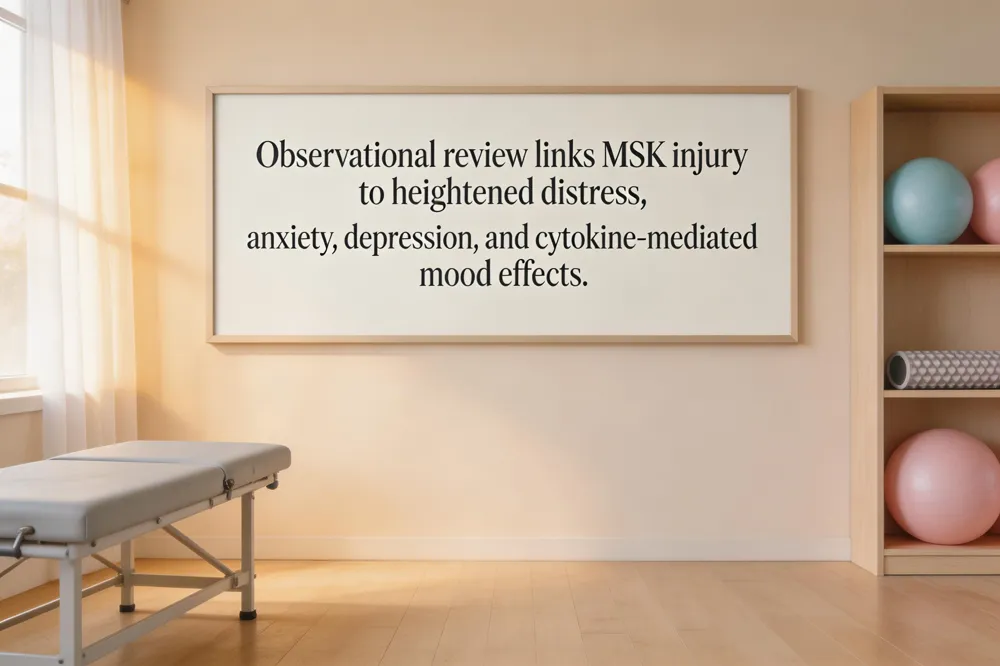 The systematic review of 31 observational studies (Evidence Level 1) examined adult athletes with musculoskeletal (MSK) injury and found worsening across mental‑health domains: psychological distress, disordered eating, substance abuse, anxiety, depression, loneliness and loss of purpose. Involuntary retirement due to injury amplified these effects, producing heightened anxiety and depressive symptoms. The findings illustrate a relationship: chronic MSK pain raises cytokines (IL‑6, TNF‑α) that can cross the blood‑brain barrier, aggravating mood disorders, while anxiety and depression heighten pain perception, tension and fear‑avoidance, slowing recovery.
How does mental health affect physical health? Scholarly research shows chronic stress dysregulates the HPA axis, elevating cortisol and cytokines that impair immune function and tissue healing, increasing cardiovascular and metabolic risk.
Can your mental health affect your musculoskeletal health? Yes—depression and anxiety amplify pain, increase tension and reduce activity, raising risk of back pain, joint stiffness and injury.
Relationship between physical activity and mental health: Exercise boosts endorphins, serotonin, BDNF and reduces inflammation, cutting depressive symptoms by 30 % and supporting tissue repair after treatments such as PRP.
Integrative Approaches to Mental Health in Musculoskeletal Care
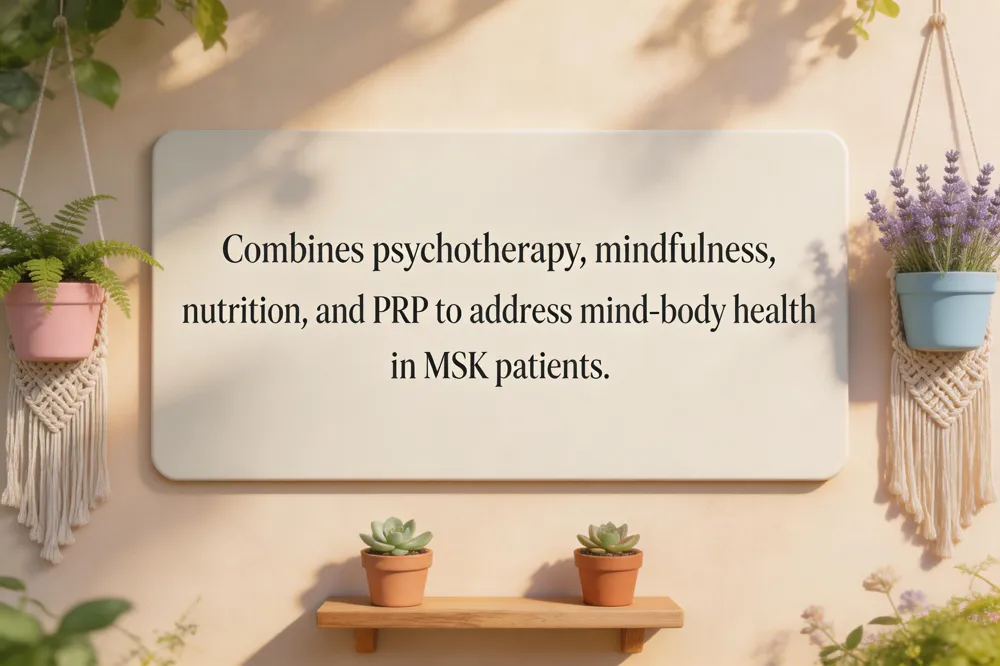 The integrative approach to mental‑health treatment blends evidence‑based psychotherapy with complementary modalities that address the whole person—mind, body, and spirit. Core components include trauma‑informed talk therapy, mindfulness meditation, breathing techniques, nutritional psychiatry, and expressive arts, all coordinated with regenerative options such as platelet‑rich plasma (PRP)‑derived growth‑factor therapies when chronic pain or inflammation threatens emotional wellbeing.
Exercise improves mental health scientifically by releasing endorphins, serotonin, and dopamine, while boosting brain‑derived neurotrophic factor (BDNF) that supports neurogenesis and hippocampal plasticity. Regular activity dampens the hypothalamic‑pituitary‑adrenal stress axis, lowering cortisol, stabilizing sleep, and reducing anxiety‑related arousal.
Physiologically, exercise enhances cardiovascular fitness, muscle strength, joint mobility, and bone density, decreasing the risk of heart disease, diabetes, and osteoporosis. Neurochemically, it raises mood‑enhancing neurotransmitters and reduces stress hormones, leading to better sleep, sharper cognition, and lower depressive symptoms.
Patient‑centered care models combine these exercise and mind‑body techniques with PRP and other conservative regenerative treatments, creating a synergistic pathway that simultaneously restores tissue function and supports mental resilience.
Regenerative Medicine and Pain Reduction
 Platelet‑Rich Plasma (PRP) therapy
PRP delivers autologous growth factors that accelerate tendon, ligament, and joint healing, reducing pain without surgery. Randomized trials show 2‑3‑point VAS pain reductions and concurrent improvements in PHQ‑9 and HADS scores, linking tissue repair to better mood.
Non‑surgical pain management
Conservative, patient‑centered reg—exercise, manual therapy, nutrition counseling, and regenerative injections—lower reliance on opioids and surgeries. Integrated pathways improve functional capacity, sleep quality, and stress resilience, mitigating the biopsychosocial cycle of chronic musculoskeletal pain.
Mental‑health benefits of pain relief
Pain reduction restores endorphin, BDNF, and serotonin production, decreasing anxiety, depression, and insomnia. Studies of PRP‑treated athletes and chronic pain patients report 20‑30% drops in depressive symptom scores and enhanced quality‑of‑life measures.
Integrative medicine examples
Integrative medicine blends conventional care with evidence‑based complementary practices. Typical examples include acupuncture, yoga, meditation, guided imagery, chiropractic care, massage therapy, and nutritional counseling. In regenerative clinics, PRP is combined with these modalities to promote holistic healing.
Are integrative medicine doctors MDs?
Yes—most integrative physicians are fully licensed MDs or DOs who have completed traditional residency training before adding complementary therapies. They can prescribe medications, order diagnostics, and coordinate care while incorporating lifestyle and mind‑body interventions.
Is an integrative medicine specialist a doctor?
Yes. An integrative‑medicine specialist holds a valid medical license (MD/DO) and often board certification in integrative medicine. They merge conventional and holistic approaches, offering patient‑centered, conservative treatment plans.
The Four Pillars and Five C’s of Integrative Medicine
 What are the 4 pillars of integrative medicine?
The four pillars of integrative medicine are nutrition, physical activity (exercise), stress management, and restorative sleep. Nutrition supplies essential macro‑ and micronutrients that curb systemic inflammation and support tissue repair, which is especially important for musculoskeletal (MSK) health. Regular movement strengthens muscles, improves joint stability, and stimulates endorphin and BDNF release, thereby reducing pain and enhancing mood. Effective stress‑management techniques—mindfulness, breathing exercises, counseling—balance cortisol and protect the nervous system from chronic pain‑related stress. Prioritizing quality sleep enables cellular repair, hormonal regulation, and cognitive consolidation, all of which mitigate anxiety and depression linked to chronic MSK pain.
What are the 4 pillars of integrative medicine?
The four pillars of integrative medicine are nutrition, physical activity (exercise), stress management, and restorative sleep. Nutrition supplies essential macro‑ and micronutrients that curb systemic inflammation and support tissue repair, which is especially important for musculoskeletal (MSK) health. Regular movement strengthens muscles, improves joint stability, and stimulates endorphin and BDNF release, thereby reducing pain and enhancing mood. Effective stress‑management techniques—mindfulness, breathing exercises, counseling—balance cortisol and protect the nervous system from chronic pain‑related stress. Prioritizing quality sleep enables cellular repair, hormonal regulation, and cognitive consolidation, all of which mitigate anxiety and depression linked to chronic MSK pain.
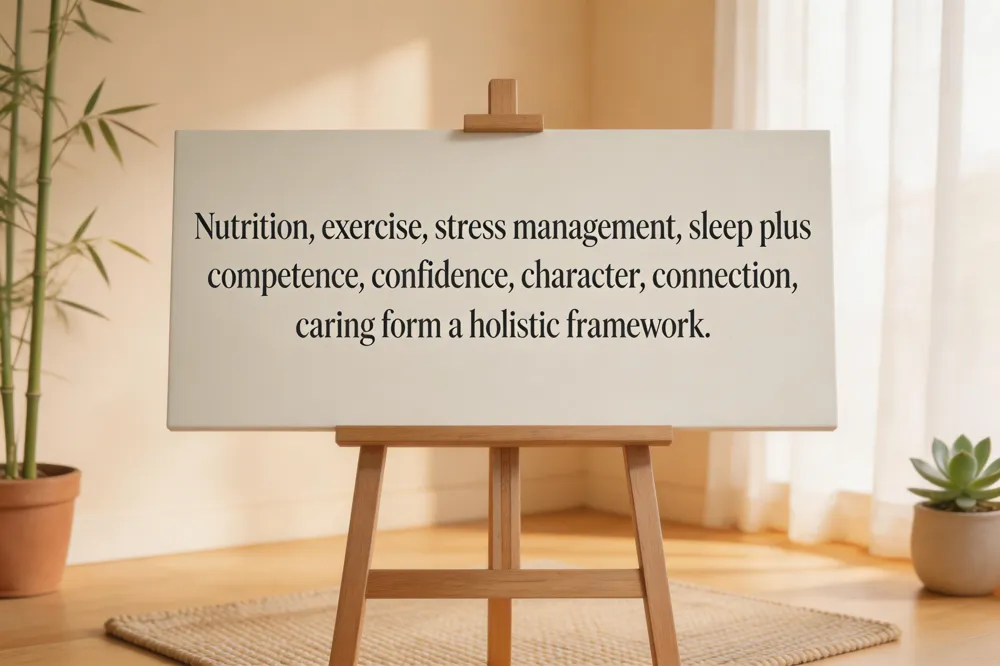
What are the 5 C's of mental health and wellbeing? The 5 C’s of mental health and wellbeing are competence, confidence, character, connection, and caring. Competence means feeling capable of handling life’s challenges, a sense bolstered by pain‑free movement and functional independence. Confidence reflects self‑worth and the belief in one’s ability to improve both physical and mental health. Character involves acting with integrity and responsibility, which can be reinforced through patient‑centered, conservative treatment plans that respect individual values. Connection emphasizes supportive relationships and community, critical for athletes facing involuntary retirement or workers coping with chronic pain. Caring denotes both self‑compassion and compassion toward others, fostering a nurturing environment that counters the isolation and loneliness often experienced with chronic MSK conditions.
Integrating these pillars and C’s creates a holistic framework: regenerative, non‑surgical interventions such as Platelet‑Rich Plasma (PRP) reduce pain, enabling patients to engage in exercise, improve sleep, and practice stress‑reduction, which together enhance the five C’s and break the vicious cycle between musculoskeletal injury and mental‑health decline.
Clinical Benefits of Non‑Surgical, Patient‑Centered Care
 Conservative treatment outcomes
Regenerative options such as platelet‑rich plasma (PRP) consistently lower pain scores (2‑3.point VAS reduction) and accelerate functional recovery for tendinopathies, osteoarthritis, and low‑back pain. Randomized trials show 30‑40 % pain relief and a 15‑20 % rise in SF‑36 mental‑health scores within 3 months, while avoiding surgery‑related complications.
Conservative treatment outcomes
Regenerative options such as platelet‑rich plasma (PRP) consistently lower pain scores (2‑3.point VAS reduction) and accelerate functional recovery for tendinopathies, osteoarthritis, and low‑back pain. Randomized trials show 30‑40 % pain relief and a 15‑20 % rise in SF‑36 mental‑health scores within 3 months, while avoiding surgery‑related complications.
Cost savings and reduced opioid use Real‑world cohorts report a 30‑40 % drop in opioid prescriptions after PRP or multimodal conservative care, translating to billions in avoided health‑care expenditures. Employers note up to $90 billion annual savings when unnecessary surgeries are replaced by non‑surgical, patient‑centered protocols.
Evidence of mental‑health improvement Lower pain correlates with markedly reduced anxiety and depression: HADS anxiety fell from 7.7 ± 4.9 to 5.4 ± 3.9, and PHQ‑9 scores dropped 22 % after PRP in chronic tendinopathy. Integrated mind‑body modalities (yoga, mindfulness) further amplify mood benefits.
What does integrative medicine offer in healthcare
Integrative medicine blends conventional care with evidence‑based complementary therapies—nutrition, mindfulness, acupuncture, and regenerative treatments—to address the whole person. It emphasizes prevention, early intervention, and personalized plans that reduce invasive procedures while supporting natural healing.
Is integrative medicine legitimate
Major agencies (NCCIH, NIH) fund rigorous research on integrative approaches. Peer‑reviewed trials validate modalities such as PRP, acupuncture, and mindfulness, and many are incorporated into clinical guidelines, confirming legitimacy as an evidence‑informed option.
What is integrative health and functional medicine
Integrative health merges Western medicine with complementary therapies, while functional medicine digs deeper to correct biochemical and lifestyle root causes. Together they prioritize personalized, non‑surgical interventions—like PRP, targeted nutrition, and stress‑reduction—to restore health holistically.
Physical Illness, Mental Health, and the Biopsychosocial Loop
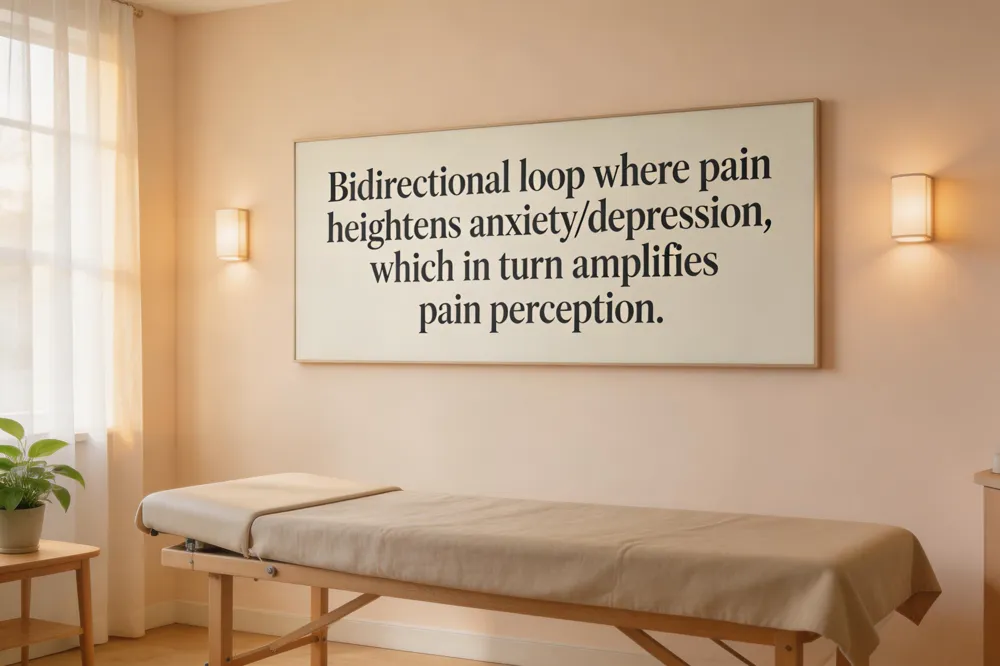 Chronic musculoskeletal disease triggers persistent stress, worry, and a loss of control, fostering anxiety, depressive symptoms, and low self‑esteem. Pain, frequent appointments, and medication side‑effects disrupt sleep, while stigma and reduced social participation heighten isolation. This emotional burden amplifies pain perception, creating a feedback loop that worsens both physical and mental health.
The relationship is bidirectional: heightened anxiety and depression increase muscle tension, catastrophizing, and fear‑avoidance behaviors, which in turn intensify pain and delay recovery. Conversely, effective pain relief lowers cortisol, restores endorphin and BDNF production, and improves mood.
Integrative support—combining regenerative therapies such as platelet‑rich plasma, targeted exercise, mindfulness‑based stress reduction, and nutritional optimization—addresses the bio‑physical, psycho‑somatic, and pre‑emptive pathways. By treating tissue injury and simultaneously providing mental‑health screening and mind‑body modalities, clinicians break the vicious cycle and promote holistic healing.
How does a physical illness affect mental health? It generates chronic stress, sleep disruption, and social isolation, which precipitate anxiety, depression, and reduced self‑esteem, further magnifying symptom perception.
What is an integrative medicine doctor? A licensed MD or DO who blends conventional biomedical care with evidence‑based complementary therapies to treat the whole person.
Exercise, Neurochemistry, and Population Statistics
 Large‑scale cohort studies consistently demonstrate that regular physical activity is a powerful modifier of mental‑health outcomes. In analyses of hundreds of thousands of adults, each additional 150 minutes of moderate‑intensity aerobic exercise per week was associated with up to a 30 % lower incidence of depressive episodes and a 20 % reduction in anxiety disorders. A clear dose‑response relationship emerges: higher frequency and greater intensity amplify benefits, while even modest activity (e.g., 75 minutes of vigorous activity) confers measurable risk reductions. These findings translate into public‑health implications: promoting at least 150 minutes of moderate activity weekly—aligned with WHO and ACSM guidelines—can curb the growing burden of mood disorders, reduce healthcare costs, and improve population‑level quality of life. The neurochemical mechanisms underpinning these effects include increased release of endorphins, serotonin, dopamine, and brain‑derived neurotrophic factor (BDNF), which together enhance mood regulation, stress resilience, and cognitive function. Together, epidemiologic evidence and mechanistic data support exercise as a low‑cost, scalable intervention for mental‑health promotion.
Future Directions and Patient Empowerment
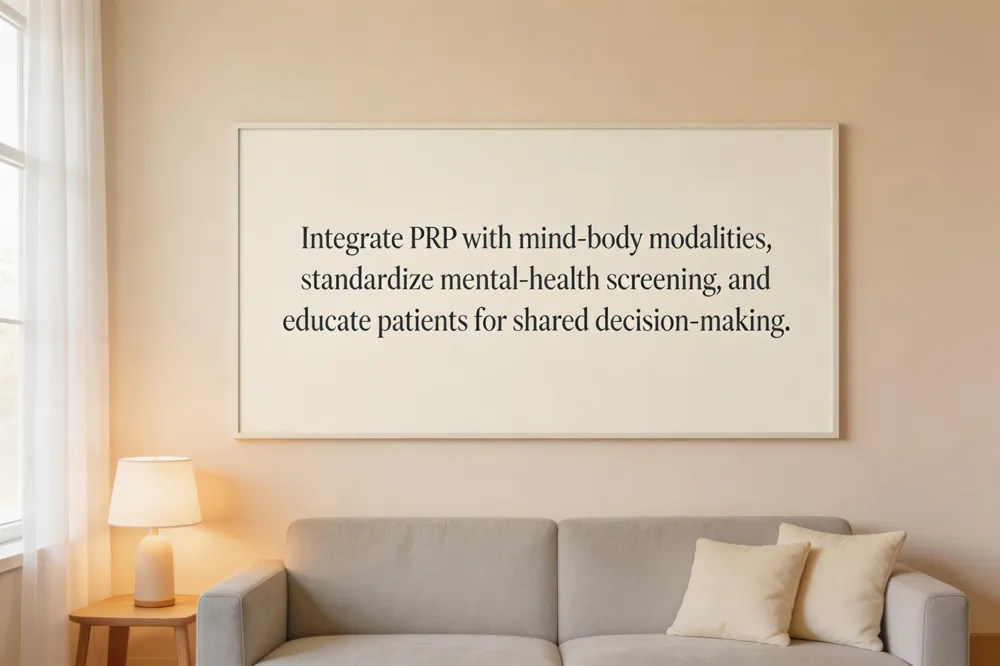 Future research should prioritize the seamless integration of regenerative therapies—such as Platelet‑Rich Plasma (PRP)—with mind‑body modalities like yoga, mindfulness‑based stress reduction, and tai chi. Evidence across systematic reviews and clinical trials shows that PRP reduces pain and inflammation, which in turn improves sleep, lowers cortisol, and supports neurochemical pathways that enhance mood. Combining these tissue‑healing approaches with structured mind‑body programs amplifies neurochemical benefits (endorphins, BDNF) and reduces fear‑avoidance behaviors, creating a synergistic effect on both physical recovery and mental wellbeing. Routine screening for anxiety, depression, and insomnia using validated tools (HADS, PHQ‑9, ISI) must become a standard component of musculoskeletal clinics, allowing early referral to behavioral health or neuromodulation (e.g., rTMS) when needed. Finally, patient empowerment through education—explaining the biopsychosocial model, the role of inflammation in mood, and the expected timeline of regenerative healing—will foster shared decision‑making, adherence to exercise regimens, and sustained improvements in quality of life.
A Holistic Path Forward
Evidence from systematic reviews, cross‑sectional studies and meta‑analyses shows that musculoskeletal (MSK) injury and chronic pain greatly increase anxiety, depression, insomnia and substance‑use problems. Athletes forced into involuntary retirement report heightened loneliness and loss of purpose, while adult workers with chronic MSK pain have 2–3‑fold higher odds of mood disorders and report worsening fatigue and sleep. The physiological link involves inflammatory cytokines (IL‑6, TNF‑α) crossing the blood‑brain barrier, reduced endorphin and BDNF production from inactivity, and dysregulated cortisol that amplifies pain perception.
Conservative care that prioritizes platelet‑rich plasma (PRP) injections has demonstrated pain reduction, restoration and lower opioid use, which together improve mental health scores. PRP‑mediated tissue healing restores mobility and improves sleep.
Clinicians and patients should adopt an integrative model that couples PRP with rehabilitation, mind‑body practices, nutrition and mental‑health screening. Intervention can break the pain‑mind cycle, preserve quality of life and reduce the burden of chronic MSK disease.