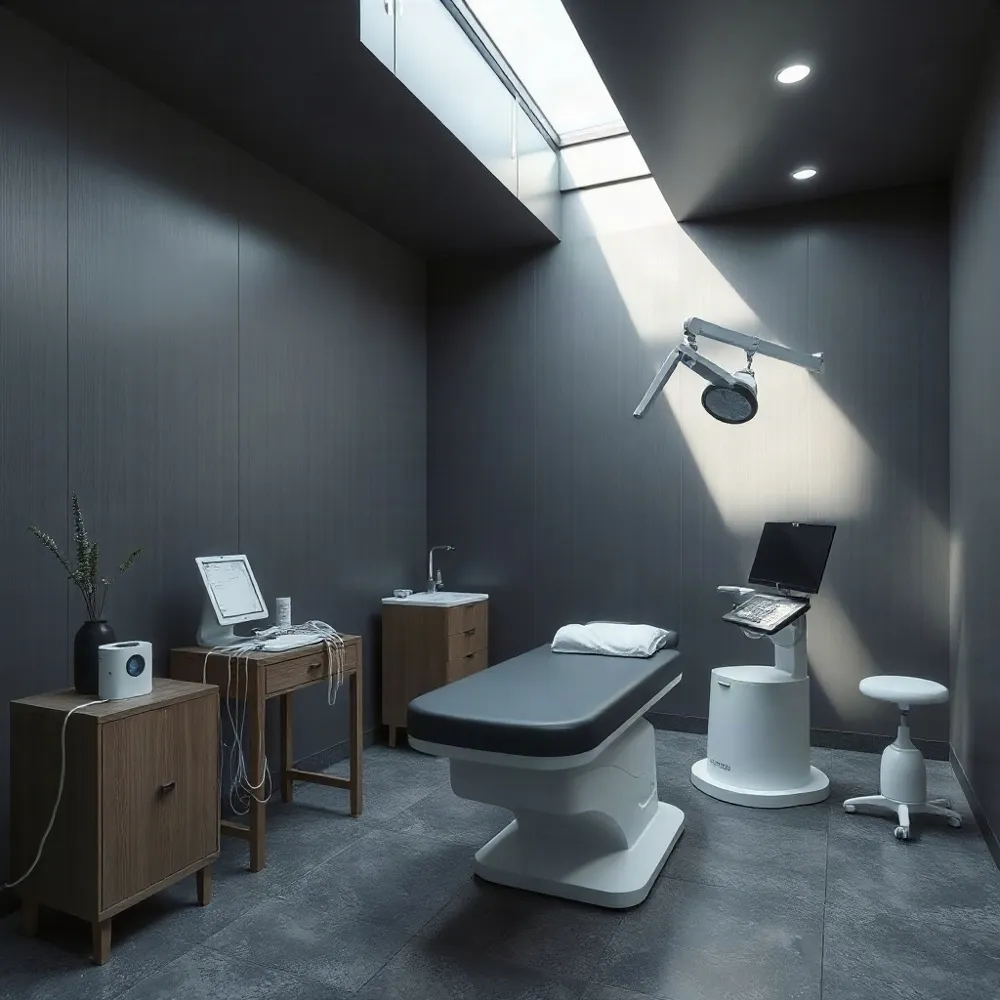
The Evolution of Conservative Pain Management
Modern pain medicine is shifting away from reliance on systemic pharmaceuticals and invasive surgeries toward conservative, regenerative approaches. Practitioners are increasingly prioritizing methods that promote natural recovery, such as those offered at Advanced Integrative Medicine. By utilizing therapies that align with the body's self-healing capabilities, clinicians aim to reduce pain intensity while minimizing the risks associated with chemical interventions or surgical procedures.
A key development in this field is the use of Virtual Reality as a non-pharmacological, drug-free adjunctive tool. By creating immersive environments that occupy the brain’s limited attentional capacity, this technology functions as an effective mechanism for pain modulation according to gate control theory. This method allows patients to experience immediate comfort during procedures or physical therapy without increasing their medication load.
Successful outcomes now depend on patient-centered, data-driven frameworks. Combining digital therapeutics with personalized care ensures that each treatment plan is tailored to the individual’s specific condition and recovery goals. By integrating these innovations, clinics provide a more holistic pathway to health, emphasizing long-term function and well-being over temporary symptom suppression.
Mechanisms of Action in VR Analgesia
 Virtual reality (VR) operates as a sophisticated, non-pharmacological tool for pain management by leveraging the gate control theory. This theory suggests that the brain possesses a limited attentional capacity. When a patient engages with an immersive, multisensory digital environment, the brain redirects its processing bandwidth toward this external stimulation rather than nociceptive input. By effectively occupying the brain's cognitive resources, VR minimizes the neural space available to process and register pain signals, serving as a powerful sensory distraction.
Beyond surface-level distraction, modern systems transition away from passive 2D entertainment toward immersive closed-loop environments. These platforms induce a psychological state of flow, requiring active engagement and navigation that can alter how the central nervous system interprets physical discomfort. Research using functional MRI indicates that these interventions modulate the brain's pain matrix, decreasing activity in sensory areas while potentially increasing activity in regions like the anterior cingulate cortex and orbitofrontal cortex. This neurobiological modulation is increasingly recognized as a clinical asset for helping restore healthy brain patterns in chronic conditions.
How is virtual reality being utilized as a non-pharmacological tool in pain management?
Virtual reality is emerging as a powerful, non-pharmacological adjunctive therapy for managing both acute and chronic pain. By immersing patients in highly engaging, interactive digital environments, VR serves as an effective distraction technique that shifts the focus away from pain. This immersive approach has been shown to result in significant reductions in subjective pain ratings, which are often supported by objective, non-invasive physiological measurements. Because patients navigate these simulated worlds independently, it offers a safe and sustainable way to complement traditional treatment plans without the need for additional medication. As a conservative, patient-centered tool, VR empowers individuals to actively participate in their own recovery, helping to improve quality of life for those suffering from conditions like musculoskeletal injuries or chronic pain, a model that aligns with the non-surgical approach offered at www.regenmedmerced.com for long-term patient comfort.
Innovative Tech Advancements in Chronic Pain
 The landscape of pain management is rapidly shifting toward a data-driven model where precision medicine meets digital innovation. While early research relied on bulky, tethered laboratory systems, technological advancements have transitioned these capabilities to high-resolution mobile-based platforms and user-friendly head-mounted displays. This shift empowers practices like Advanced Integrative Medicine to offer patients portable, non-invasive therapeutic tools that function seamlessly within a conservative, regenerative treatment philosophy.
What are the latest technological innovations in chronic pain management?
Modern strategies now integrate artificial intelligence and complex data analytics to move beyond generalized protocols. By synthesizing personal patient history with physiological biomarkers, clinicians can predict specific responses to therapy, moving away from a one-size-fits-all approach. At Advanced Integrative Medicine, this personalization is bolstered by wearable devices that provide near real-time tracking of pain fluctuations. These sensors capture daily metrics, enabling more nuanced adjustments to rehabilitation programs than traditional periodic check-ins.
Innovations in neuromodulation now include closed-loop systems that monitor neural activity to adjust stimulation automatically, ensuring the therapy adapts to the patient's immediate needs. When paired with digital therapeutics (DTx) like RelieVRx, these technologies support an opioid-sparing environment. By focusing on active, non-surgical methods that prioritize the body's natural healing, these tools reduce systemic reliance on pharmaceuticals and enhance patient-centered outcomes.
| Innovation | Primary Function | Clinical Benefit |
|---|---|---|
| Wearable Sensors | Physiological tracking | High-fidelity data monitoring |
| Closed-Loop VR | Automated stimulation | Personalized analgesic delivery |
| AI Analytics | Treatment prediction | Tailored recovery plans |
| Mobile Platforms | Remote engagement | Increased accessibility |
Clinical Applications and Efficacy
The implementation of virtual reality as a therapeutic tool has transcended experimental research, establishing its role as a validated intervention for acute, procedural, and perioperative pain management. An umbrella review encompassing 21 systematic reviews and meta-analyses, which collectively tracked 17,680 patients, confirms that immersive digital experiences provide consistent, verifiable relief across diverse clinical environments.
Beyond immediate discomfort, meta-analytical data involving over 7,000 participants underscores the ability of these platforms to dampen pain perception during high-stress encounters. Procedures typically associated with significant patient distress, such as burn dressing changes, venipuncture, and dental interventions, show marked improvements when patients are engaged through head-mounted displays. This effectively reduces both self-reported pain intensity and observed physiological stress markers, specifically lowering pulse rates during treatment sequences.
At Advanced Integrative Medicine, we prioritize conservative, non-surgical pathways that reduce the need for pharmacological dependency. By integrating similar distraction-based digital protocols alongside our regenerative therapies, our practice helps patients maintain comfort during minimally invasive care. This alignment between technology and patient-centered protocols ensures that individuals at www.regenmedmerced.com receive care that prioritizes natural recovery processes over systemic medication.
VR for Chronic Musculoskeletal Conditions
Virtual reality (VR) offers a compelling intervention for chronic musculoskeletal conditions by shifting patient focus away from nociceptive signals. For those dealing with persistent back pain, neck pain, fibromyalgia, and arthritis, this technology serves as more than just a distraction. At Advanced Integrative Medicine, we emphasize conservative, patient-centered care, and VR aligns with this by providing a non-pharmacological, non-surgical pathway to recovery that actively involves the user in their own healing process.
One primary benefit of immersive therapy is the reduction of kinesiophobia, or the fear of movement, which often hinders recovery in chronic pain populations. Through embodied digital simulations, patients can reclaim range of motion by performing gentle movements within safe, controlled virtual environments. This process helps the brain associate physical activity with positive neurobiological feedback rather than discomfort, effectively retraining the nervous system.
- Increased physical function: VR-based exercise programs specifically designed for musculoskeletal conditions encourage patients to move beyond their perceived physical limitations.
- Additive analgesic impact: Research demonstrates that combining VR with traditional physiotherapy produces superior results in reducing pain intensity compared to either approach used in isolation.
- Improved patient compliance: By transforming mundane, repetitive exercises into engaging experiences, immersive platforms help patients adhere to long-term rehabilitation self-management skills.
While standard clinics may rely on oral medication to manage symptoms, Advanced Integrative Medicine utilizes specialized protocols that integrate digital therapeutics alongside regenerative treatments like Platelet-Rich Plasma therapy. This holistic approach supports the body’s natural recovery, reducing systemic stress markers and helping patients regain quality of life without the risks associated with long-term pharmaceutical reliance.
Regulatory Milestones and Future Directions
The evolution of virtual reality from recreational technology to a validated clinical intervention reached a significant point with FDA authorization for specific therapeutic devices. In November 2021, the agency approved RelieVRx as a prescription-based treatment for chronic low back pain, marking a formal entry into the digital therapeutics landscape. This regulatory milestone provides a framework for integrating non-pharmacological tools into traditional pain management workflows, ensuring patients have access to evidence-based alternatives to systemic medications.
What are the current trends and future directions for virtual reality therapy in treating chronic pain syndromes?
Current research is transitioning away from one-size-fits-all distraction models toward personalized interventions. By tailoring virtual environments to a patient’s age, history, and physical profile, clinicians can maximize engagement and long-term rehabilitation outcomes. At Advanced Integrative Medicine, we recognize that this shift toward patient-centered data allows for more refined, effective care that respects the unique needs of individuals seeking alternatives to surgery. Future protocols are expected to incorporate adaptive biometrics that respond in real-time to a patient's movement and stress markers.
Beyond visual immersion, the field is moving to incorporate multi-modal sensory experiences, including haptic feedback and integration with broader rehabilitation clinics. By combining immersive platforms with existing regenerative therapies, practitioners are creating a multi-agent system that helps patients rewrite their relationship with movement. This synergistic approach supports natural recovery by reducing the psychological fear of activity, known as kinesiophobia, while providing immediate, drug-free comfort. As these technologies become more accessible, their role as an adjunct to professional regenerative medicine will likely expand, offering patients sustainable ways to manage discomfort without invasive interventions.
Safety, Accessibility, and Considerations
 While virtual reality offers a promising non-pharmacological path for managing pain, clinical use requires attention to safety and proper implementation. Most reported side effects remain mild, typically manifesting as transient nausea, vomiting, or headache. These issues are collectively referred to as cybersickness. To mitigate these risks, clinicians emphasize that patients should prioritize structured programs that provide clinical guidance and education, rather than relying on standard recreational gaming devices.
The transition from lab-based equipment to high-resolution mobile platforms has significantly improved accessibility. For patients facing geographical barriers or limited physical mobility, telemedicine platforms now deliver these digital interventions directly to the home environment. As a practice focused on non-surgical, patient-centered care, Advanced Integrative Medicine can integrate these telehealth tools to ensure specialized support reaches those unable to visit the clinic in person.
Successful adoption depends on matching the right virtual environment to the specific needs of the patient. Research suggests that as these interventions become more personalized, they better support the body’s natural recovery processes instead of acting as generic distractions. When utilized under professional supervision, this technology serves as a valuable adjunct to regenerative treatments including Platelet-Rich Plasma therapy. By carefully monitoring for physical comfort and engagement levels, practitioners ensure that this non-invasive tool effectively reduces systemic stress while promoting long-term patient satisfaction.
Navigating the Future of Holistic Pain Recovery
The integration of virtual reality into modern practice reflects a clear shift toward patient-centered care. While this technology provides effective, non-invasive analgesic support, it remains most potent when used as an adjunctive therapy rather than a standalone cure. By combining immersion with conservative interventions, clinicians can build a synergistic model that targets both the physiological and psychological dimensions of pain.
At Advanced Integrative Medicine, this philosophy aligns with a dedicated commitment to minimally invasive, non-surgical healing. Just as a 2024 Harvard Health guide notes the value of programs that offer clinical guidance over mere recreation, the practice ensures that digital tools support rather than replace personalized recovery plans. This approach reinforces the body’s natural regenerative mechanisms while reducing reliance on systemic pharmaceuticals.
Empowered recovery is the ultimate goal. Through the thoughtful application of digital therapeutics and continuous patient education, individuals gain the self-management skills necessary for lasting mobility and comfort. As technology advances, the focus remains fixed on outcomes that prioritize long-term musculoskeletal function, ensuring that every patient at www.regenmedmerced.com benefits from a cohesive, data-backed approach to life without chronic pain.