Why a Balanced Diet Matters in Modern Pain Management
A balanced diet is a dietary pattern that supplies appropriate proportions of macronutrients—carbohydrates, proteins, and fats—alongside essential micronutrients such as vitamins and minerals. Carbohydrates provide the fuel for cellular energy, protein delivers the amino acids needed for tissue repair and collagen synthesis, and healthy fats support cell membranes, hormone production, and anti‑inflammatory pathways. Micronutrients like vitamin D, vitamin C, B‑vitamins, magnesium, and omega‑3 fatty acids modulate immune function, reduce oxidative stress, and promote bone health. Together, these nutrients create an environment that limits chronic inflammation, accelerates healing of musculoskeletal injuries, and enhances the effectiveness of regenerative therapies such as PRP.
The Science Behind Balanced Nutrition and Pain Relief
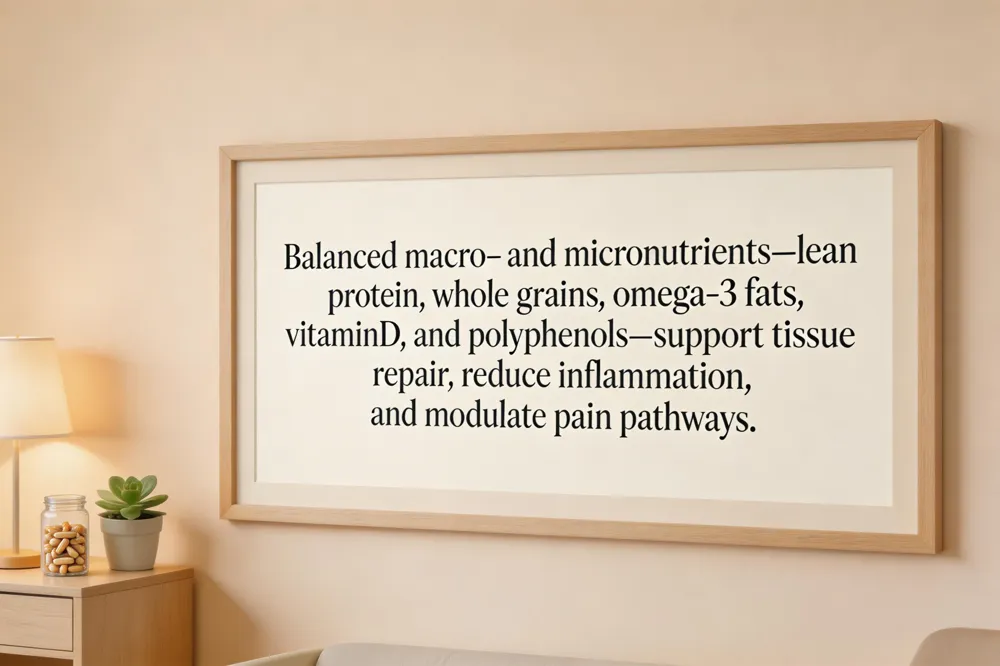 A balanced diet supplies the macro‑ and micronutrients needed for tissue repair, immune regulation, and pain modulation. Lean proteins provide the amino acids for collagen synthesis and muscle maintenance, while whole grains deliver fiber and B‑vitamins that support energy metabolism and gut health. Healthy fats—especially omega‑3 fatty acids from fatty fish, walnuts, flaxseed oil, and ground flax—exert powerful anti‑inflammatory effects by reducing prostaglandin and cytokine production, which in turn eases joint stiffness and neuropathic pain. Vitamin D, obtained from sunlight, fortified dairy, egg yolk, and fatty fish, is essential for bone mineralization and muscle function; deficiency correlates with higher arthritis risk. Polyphenol‑rich foods such as berries, leafy greens, and dark chocolate supply antioxidants that neutralize oxidative stress, another driver of chronic pain.
What nutrients are good for pain relief? Omega‑3 fatty acids, vitamin D, and curcumin (the active compound in turmeric) are key; they lower inflammation, support bone and muscle health, and block pain‑promoting cytokines. When paired with a diet low in added sugars, saturated fats, and refined carbs, they enhance the efficacy of non‑surgical treatments like platelet‑rich plasma (PRP) and physical therapy.
What are the 5 benefits of a balanced diet? It reduces the risk of chronic diseases (heart disease, type 2 diabetes, cancer), strengthens bones and muscles, boosts immune function for faster recovery, promotes healthy skin, teeth, and eyes, and supports digestive health and weight management.
What are the 4 pillars of integrative medicine? Nutrition, stress management, physical activity, and sleep. Adequate nutrition provides the building blocks for tissue repair; stress‑reduction techniques keep hormonal and immune responses balanced; regular exercise improves circulation, muscle strength, and joint health; and restorative sleep enables the body’s natural healing processes to operate at peak efficiency. Together, these pillars complement regenerative therapies such as PRP, creating a synergistic environment for pain reduction and tissue regeneration.
Targeted Foods for Nerve Pain
 Choosing nutrient‑dense foods that nurture and protect nerves is a cornerstone of pain‑friendly nutrition. Leafy greens such as spinach, kale, and Swiss chard supply B‑vitamins and antioxidants that support nerve repair and reduce inflammation. Fatty fish like salmon, mackerel, and sardines are rich in omega‑3 fatty acids, which help rebuild the myelin sheath that insulates nerves. Nuts and seeds—including almonds, walnuts, flaxseeds, and chia seeds—provide vitamin E and healthy fats that shield nerves from oxidative damage. Avocados contribute monounsaturated fats and potassium, both essential for proper nerve signaling and membrane stability. Turmeric’s curcumin offers powerful anti‑inflammatory effects, while dark chocolate’s flavonoids deliver similar benefits. Blueberries add anthocyanins, further soothing nerve pain through antioxidant activity. Incorporating these foods daily—whether in salads, smoothies, or as snacks—creates a synergistic blend of antioxidants, omega‑3s, and B‑vitamins that can alleviate chronic nerve discomfort and support long‑term nerve health. Adequate hydration and regular intake of fiber‑rich whole grains further support the gut‑brain axis, helping to modulate pain signals and enhance the benefits of these nerve‑protective foods. Together, they form a practical, evidence‑based plan for managing nerve pain naturally.
Integrative Nutrition Strategies for Regenerative Therapies
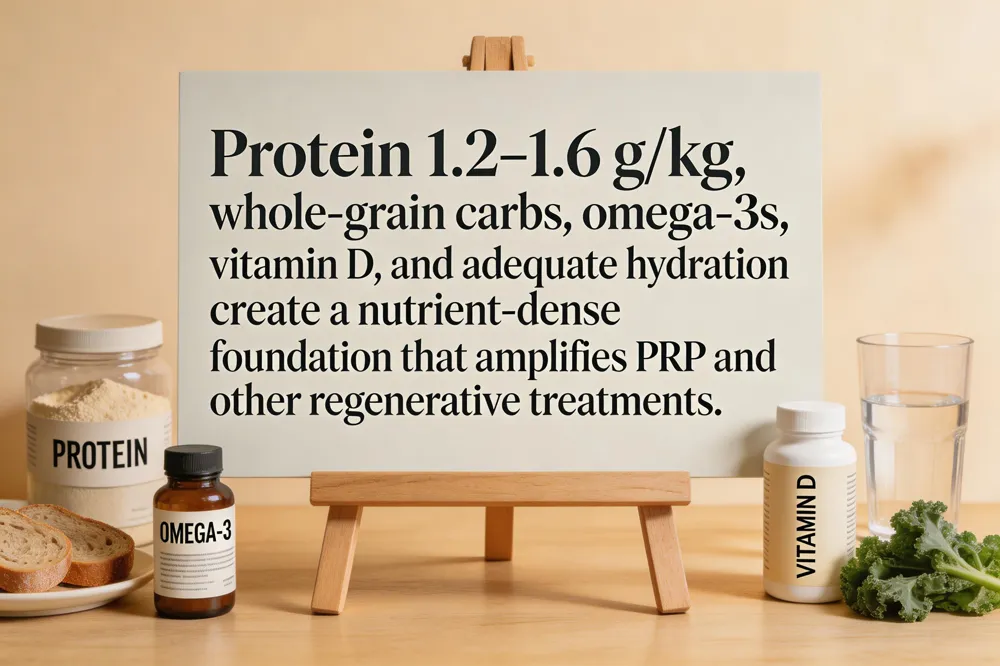 A balanced diet, nutrient‑dense diet is a cornerstone of successful regenerative treatments such as platelet‑rich plasma (PRP). For tissue repair, protein intake of 1.2–1.6 g per kilogram body weight per day supplies the amino acids needed for collagen synthesis, muscle maintenance and the growth‑factor response that PRP relies on. Lean sources—poultry, fish, eggs, beans, nuts, and dairy—should be paired with whole‑grain carbohydrates to stabilize blood glucose and provide B‑vitamins for energy metabolism.
Omega‑3 fatty acids (EPA/DHA) from fatty fish, flaxseed, walnuts, or high‑quality supplements dampen inflammatory pathways, protect cell membranes and complement the anti‑inflammatory goals of regenerative medicine. Vitamin D, obtained from fortified dairy, oily fish or safe sun exposure, supports bone health and immune regulation, both critical for post‑procedure recovery. Adequate hydration—at least 8 cups (≈2 L) of water daily—ensures optimal nutrient transport, joint lubrication and efficient medication metabolism.
What foods should you eat while on pain medication? Choose high‑fiber options such as whole grains, vegetables, dried beans, peas, and fruits; pair them with ample fluids to aid fiber processing and drug metabolism.
What do functional doctors recommend to eat? They build meals around whole‑food, nutrient‑dense ingredients—leafy greens, cruciferous veg, colorful berries, omega‑3‑rich protein (fatty fish, legumes, nuts), and, when tolerated, grass‑fed meat or organ meats—while personalizing plans based on laboratory testing, gut health, and micronutrient status. Processed sugars, refined grains and inflammatory oils are avoided, and mindful eating with proper timing supports mitochondrial energy, detox pathways and a balanced microbiome.
Dietary Frameworks: Pegan, 5‑4‑3‑2‑1 Rule, and Functional Medicine
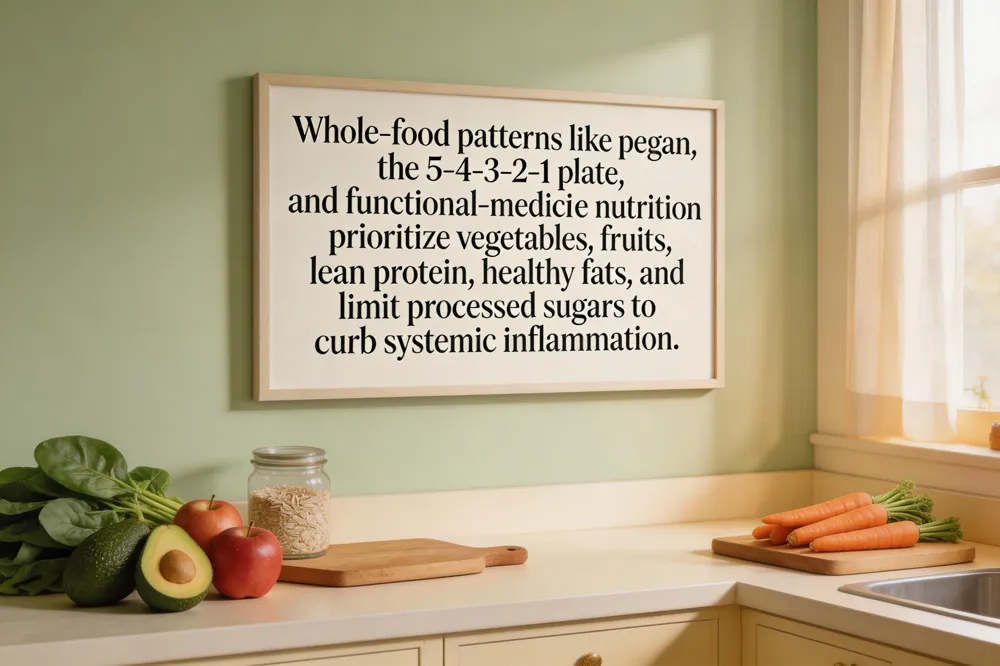 A pegan diet blends paleo’s emphasis on unprocessed animal protein with vegan’s plant‑centric focus. Dr. Mark Hyman recommends a ratio of roughly one part high‑ (meat, fish, seafood) to three parts vegetables, fruit, nuts, and seeds, while limiting refined sugars, processed grains, legumes, and dairy. This whole‑food pattern supplies ample vitamins (A, C, D, B‑complex), minerals, fiber, and anti‑inflammatory omega‑3s, supporting bone health, immune function, and tissue repair—key goals of regenerative medicine.
The 5‑4‑3‑2‑1 rule is a visual grocery‑plate guide: choose five different vegetables, four fruits, three complex‑carb sources (whole grains, legumes, starchy tubers), two protein‑rich foods (fish, poultry, beans, nuts), and one healthy fat (avocado, olive oil, nuts). By prioritizing variety and nutrient‑dense foods, the rule naturally curbs added sugars, saturated fats, and ultra‑processed items, reducing systemic inflammation and pain perception.
Functional‑medicine nutrition views food as medicine, emphasizing individualized, whole‑food diets that restore gut microbiome balance, modulate endocrine pathways, and provide the micronutrients needed for cellular healing. This approach aligns with the pegan and 5‑4‑3‑2‑1 frameworks, offering a patient‑centered, anti‑inflammatory dietary foundation that can enhance the efficacy of non‑surgical treatments such as platelet‑rich plasma therapy.
Practical Tips for Everyday Wellness
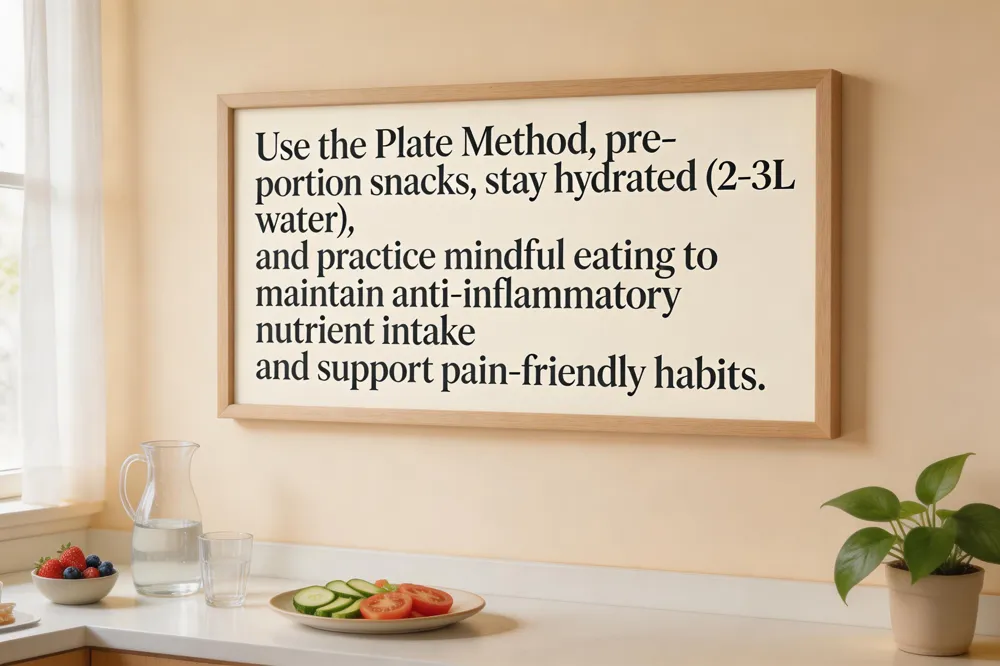 A well‑planned plate is the cornerstone of pain‑friendly nutrition. Use the "Plate Method"—half the plate filled with colorful vegetables and fruit, one‑quarter with lean protein (fish, poultry, beans, tofu), and one‑quarter with whole‑grain carbohydrates—to keep calories in check and deliver the fiber, B‑vitamins, and antioxidants that curb inflammation. Pre‑portion snacks (a handful of nuts, a piece of fruit, or yogurt) and batch‑cook grains and legumes to avoid impulsive ultra‑processed grabs.
Hydration supports joint lubrication, nutrient transport, and muscle relaxation; aim for 2–3 L of water daily, spreading intake across meals, herbal teas, and water‑rich foods like cucumber and watermelon.
Mindful eating reduces cortisol spikes that amplify pain. Sit down, eliminate distractions, chew slowly, and pause between bites to notice hunger cues. Pair meals with brief stress‑reduction practices—deep breathing, a short walk, or a 5‑minute meditation—to lower systemic inflammation and enhance the body’s natural healing response.
Integrating Nutrition with Lifestyle for Long‑Term Pain Management
 A balanced, nutrient‑dense diet works best when paired with lifestyle habits that reinforce healing and pain control.
Sleep hygiene and recovery – Adequate sleep (7‑9 hours/night) supports the release of growth hormone, collagen synthesis, and immune regulation, all of which are essential for tissue repair after regenerative therapies such as PRP. Minimizing caffeine and screen time before bed, keeping a cool dark room, and maintaining a consistent bedtime help sustain the restorative cycles that reduce pain sensitivity.
Exercise and movement as nutrition partners – Regular low‑impact activity (walking, yoga, resistance training) improves circulation, delivers nutrients to injured tissues, and stimulates endogenous endorphins. Protein‑rich meals (0.8‑1.2 g/kg body weight) and omega‑3 fatty acids before or after exercise provide the amino acids and anti‑inflammatory compounds needed for muscle maintenance and joint health.
Weight management to reduce joint load – Maintaining a healthy body weight lessens mechanical stress on weight and the spine, decreasing chronic back and arthritic pain. A diet rich in fiber, whole grains, fruits, vegetables, and lean protein promotes satiety and stable blood‑sugar levels, while limiting added sugars and saturated fats helps prevent obesity‑related inflammation. Together, these sleep, movement, and weight‑control strategies amplify the benefits of a balanced diet, creating a synergistic, patient‑centered approach to long‑term pain management.
Putting It All Together: Nutrition as a Cornerstone of Regenerative Care
A balanced, anti‑inflammatory diet—rich in colorful fruits and vegetables, whole grains, lean protein, omega‑3‑laden fish or flaxseed, and healthy fats such as olive oil and avocado—provides the macro‑ and micronutrients (vitamin D, C, B‑vitamins, magnesium, zinc) needed for tissue repair, collagen synthesis, and immune regulation. Adequate fiber supports gut health, while limiting added sugars, refined carbs, and ultra‑processed foods reduces systemic inflammation and pain. To translate these principles into real‑world results, patients should partner with registered dietitians and clinicians who can tailor nutrition plans to individual needs, monitor deficiencies, and integrate diet with regenerative therapies like PRP. Embracing this whole‑person approach empowers faster healing and sustainable pain relief.