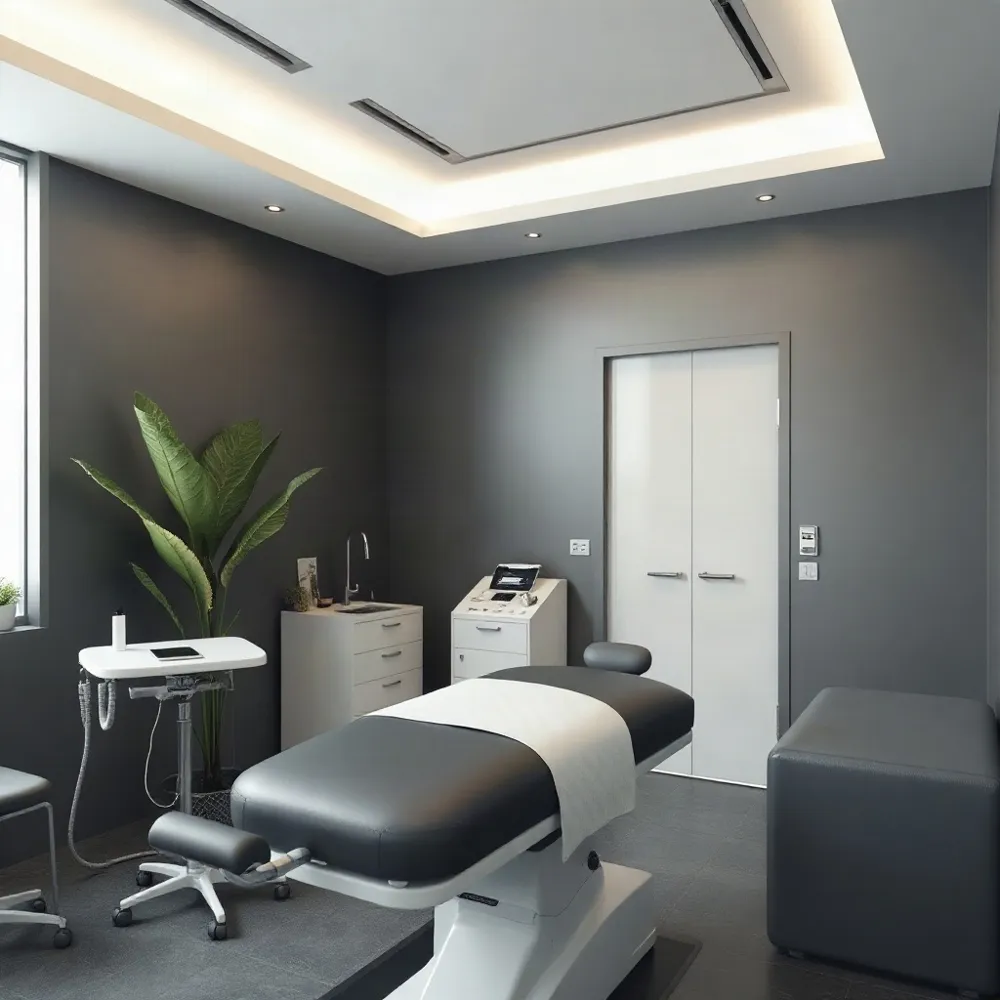
A Blood-Based Approach to Skin Care
Platelet-rich plasma (PRP) is prepared from a patient’s own blood. A clinician processes a blood sample to concentrate platelets in plasma, then applies or injects the preparation into the skin. Platelets release growth factors involved in tissue repair and collagen production, which may help explain why PRP is studied for skin texture, tone, and wrinkles. These proposed effects are not guaranteed, and research has not established PRP as a permanent way to reverse skin aging. A review of PRP in aesthetic dermatology describes reported improvements as generally modest and temporary.
This section focuses on PRP’s use in aesthetic care, including what studies suggest and where evidence remains uncertain. Skin findings should not be treated as proof that PRP relieves back pain, sports injuries, or carpal tunnel symptoms. Those are separate medical questions that require evidence specific to each condition. At Advanced Integrative Medicine, PRP is part of a patient-centered approach to pain management and alternatives to surgery, rather than a cosmetic skin treatment.
What PRP Is and How It Is Prepared
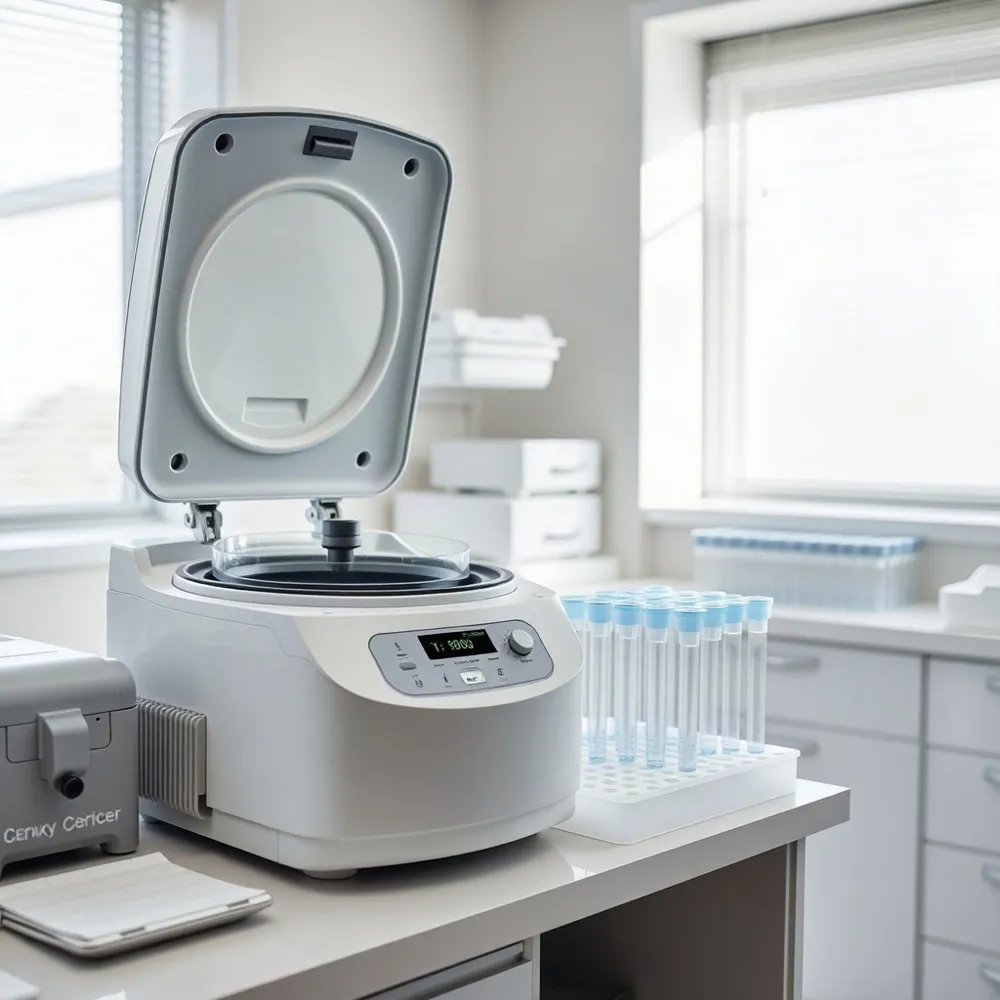 Platelet-rich plasma (PRP) starts with a blood draw. A clinician spins the sample in a centrifuge, separating its components and concentrating platelets in the plasma. The preparation is then used at the intended treatment site. This process is described in Johns Hopkins Medicine’s overview of PRP injections.
Platelets release signaling proteins that take part in tissue repair. In PRP, these include platelet-derived growth factor (PDGF), vascular endothelial growth factor (VEGF), and transforming growth factor beta (TGF-β). They may influence fibroblast activity, collagen production, the formation of new blood vessels, and tissue remodeling, processes that help explain why PRP has been studied for skin appearance. A biological rationale, however, does not show that a treatment will produce a predictable cosmetic change.
In aesthetic care, clinicians may inject PRP into the skin or use it alongside microneedling. Intradermal injection is common in aesthetic studies, but techniques differ, as do centrifugation and preparation protocols. Those differences can affect the composition of the PRP and make outcomes harder to compare. A 2021 review of aesthetic applications discusses these variations and the limits they place on interpreting results: PRP in aesthetic dermatology.
For patients considering regenerative treatments for pain rather than cosmetic skin concerns, the distinction matters. Advanced Integrative Medicine focuses on non-surgical regenerative care for conditions such as back pain, sports injuries, and carpal tunnel. Evidence about PRP’s effects on skin should not be taken as proof of benefit for those separate conditions; a clinician should assess the indication and discuss what is known about it.
What Aesthetic Studies Have Found
 Studies of platelet-rich plasma (PRP) for facial skin have reported changes in texture, tone, firmness, elasticity, wrinkles, pigmentation, and overall appearance. These findings suggest possible benefits, not predictable results for every patient.
A 2024 review of PRP for facial rejuvenation included 11 studies and 382 patients. Only one study was randomized, controlled, and double-blinded; most were prospective, open-label studies. The authors cautioned that varied methods and limited study designs make it difficult to draw firm conclusions about effectiveness or the best treatment approach. The review calls for better-designed research and more consistent protocols.
For acne scars, results from PRP used on its own are mixed. Some studies report better outcomes when PRP is paired with microneedling, while conventional treatments such as microneedling or fractional CO₂ laser may perform better than PRP alone. The combination may be worth discussing with a qualified clinician, but the evidence does not establish one approach as best for everyone.
Small studies of treatment around the eyes have reported possible changes in wrinkles, skin tone, pigmentation, and texture. These findings remain preliminary, and further evidence is needed to determine how long any improvements last. The delicate area also calls for careful assessment and technique.
When PRP is used alongside ablative fractional resurfacing, some studies suggest it may lessen recovery time or redness and swelling. Results are inconsistent, however, so reduced downtime should not be assumed.
Platelet-poor plasma biofiller is a separate, developing approach, not standard PRP treatment. It involves heating plasma proteins into a gel for injection. Early reports suggest a possible role in superficial volume defects, but its safety and durability need more study.
These aesthetic findings do not answer whether PRP treats pain or injury. Skin studies cannot establish effectiveness for tendon, ligament, muscle, or joint conditions; those questions require evidence specific to each diagnosis. Advanced Integrative Medicine focuses on regenerative care for pain management, including PRP, as a nonsurgical option. Suitability and expected benefits should be assessed individually rather than treating PRP as proven for every condition or a guaranteed alternative to surgery.
PRP for Pain Is a Separate Question
Aesthetic findings do not establish that platelet-rich plasma (PRP) helps with pain. Musculoskeletal treatment is a separate use, assessed against evidence for the specific condition rather than results reported for facial skin.
For this use, a clinician processes a sample of the patient’s blood in a centrifuge to concentrate platelets in plasma, then injects the preparation into a targeted area. Ultrasound may sometimes guide placement, as described in Johns Hopkins’ overview of PRP injections.
Johns Hopkins describes PRP as used or studied for tendon, ligament, muscle, and joint conditions, including chronic tendon injuries and osteoarthritis symptoms. Platelets release growth factors that may support tissue repair, but the precise mechanism is not fully understood, and evidence continues to develop. Findings from skin-rejuvenation studies should not be treated as proof of benefit for back pain, sports injuries, carpal tunnel, or other musculoskeletal problems.
At Advanced Integrative Medicine, PRP is part of a conservative, patient-centered approach to pain management and alternatives to surgery. Whether it fits a person’s care plan depends on diagnosis, medical history, goals, and evidence specific to the condition. A clinician can discuss potential benefits and limitations alongside other treatment options.
Risks, Discomfort and Patient Screening
 PRP is prepared from a patient’s own blood, which makes an allergic reaction less likely than with some injected medicines, but it does not make the procedure risk-free. Aesthetic studies commonly report injection pain or discomfort, redness, swelling, bruising, and sometimes minor bleeding. These effects are usually temporary, though the experience varies by treatment area, technique, and individual sensitivity. The 2021 review of PRP in aesthetic dermatology also notes that sterile handling matters to reduce the risk of infection.
A rare but serious concern is injury to blood vessels around the face. Vision loss or impairment has been reported after facial PRP injections, including injections between the eyebrows. These cases do not mean that vision loss is a common outcome, but they underscore the need for a qualified clinician who understands facial anatomy and uses careful injection technique. Ask what symptoms to expect and contact the provider about severe or worsening pain, swelling, or other concerning changes.
Contraindications depend on the clinical context, and published lists are not a substitute for an individual assessment. The 2021 review identifies platelet dysfunction syndrome, critical thrombocytopenia, hemodynamic instability, and septicemia as absolute contraindications in its aesthetic context. It also describes circumstances that call for caution, including certain serious illnesses, abnormal blood counts, and use of anticoagulants or some other medications.
A 2024 review of PRP for skin rejuvenation emphasizes reviewing skin condition, medical history, and current medications before treatment. It identifies active infection as a reason to exclude treatment and notes that anticoagulant therapy, cancer, a history of deep vein thrombosis, and other factors may require clinician assessment. Medication advice should be individualized; do not stop a prescribed medicine without speaking with the prescribing clinician.
For patients considering regenerative care, Advanced Integrative Medicine takes a conservative, patient-centered approach to pain management and offers PRP among alternatives to surgery. A discussion with a qualified clinician should cover suitability, possible discomfort and complications, medications, other treatment options, and realistic expectations. Ask how the procedure will be performed and what follow-up is recommended; an online contraindication list cannot determine whether PRP is appropriate for you.
Treatment Schedules and How Long Results Last
There is no single established schedule for aesthetic platelet-rich plasma (PRP), and the number of treatments does not guarantee a particular result. Recommendations and study protocols vary by skin concern, preparation method, and clinician assessment.
A 2021 review’s consensus suggests three to six sessions at roughly monthly intervals for the aesthetic indications it covers, with visible changes generally expected after four to six weeks. Those figures are review recommendations, not a universal protocol for every patient or use. The review also notes that treatment methods and follow-up differ across studies.
A 2024 review found that the most common schedule among the studies it assessed was three injections spaced two to three weeks apart. Other studies used a single treatment or longer intervals, so the evidence does not establish one optimal timetable. The 2024 review highlights variation in both protocols and study design.
How long can the effects of a PRP injection last? For skin treatment, changes may take weeks to months to appear, if they occur. The American Academy of Dermatology says results may last up to 18 months, but emphasizes that outcomes are unpredictable. Its guidance on PRP does not promise a specific duration or response. A clinician can discuss realistic expectations based on the treatment plan and individual circumstances.
Cost, Evidence Limits and Other Choices
How much does cosmetic PRP cost? In the United States, the American Academy of Dermatology estimates $250 to $1,500 per session, and says insurance generally does not cover PRP performed to improve appearance. That range is for cosmetic treatment, not musculoskeletal injections, whose costs may differ. Ask the provider for an itemized estimate that includes the proposed number of sessions and any additional fees. See the AAD’s guidance on PRP cost and coverage.
The evidence also leaves practical questions unanswered. Studies use different preparation methods and treatment schedules, often include small groups, assess results in inconsistent ways, and may not follow patients long enough to show how durable changes are. A 2021 review calls for larger trials, standardized methods, and longer follow-up before firm conclusions can be drawn about the best protocol or lasting benefit. These limitations mean that a quoted treatment plan should not be treated as a proven formula. The review of PRP in aesthetic dermatology summarizes these evidence gaps.
For skin concerns, discuss established treatment options with a board-certified dermatologist, who can assess your skin, explain likely benefits and risks, and help compare choices. Ask what evidence supports the proposed approach and what outcome is realistic for your concern.
What alternatives to PRP are available for musculoskeletal pain? The cosmetic evidence does not answer that question or show that skin treatments and pain treatments are interchangeable. Options depend on the diagnosis and may include activity changes, exercise or physical therapy, medication, other injections, or surgery. At Advanced Integrative Medicine, care is framed around conservative, patient-centered approaches to pain and alternatives to surgery; a clinician can discuss which options fit an individual condition.
A Promising Option, Not a Promise
PRP has a biological rationale: platelets release growth factors involved in tissue repair and collagen production. Some aesthetic studies report changes in skin quality, but that does not establish reliable or lasting results. A 2024 review found that the studies varied in methods and quality, leaving important questions about treatment protocols and durability unresolved (review of PRP for skin rejuvenation).
Evidence should be considered separately for each use. Findings about facial appearance do not show that PRP will help pain, and results for one person cannot predict another’s response. At Advanced Integrative Medicine, PRP is part of a conservative, patient-centered approach to pain care, with suitability considered in light of the individual’s condition and goals.
Anyone considering facial PRP should discuss their skin, medical history, and treatment options with a qualified dermatologist. The American Academy of Dermatology’s guidance on PRP for skin stresses that cosmetic benefits remain uncertain and outcomes unpredictable. Individualized advice can help clarify whether the procedure fits a person’s needs.