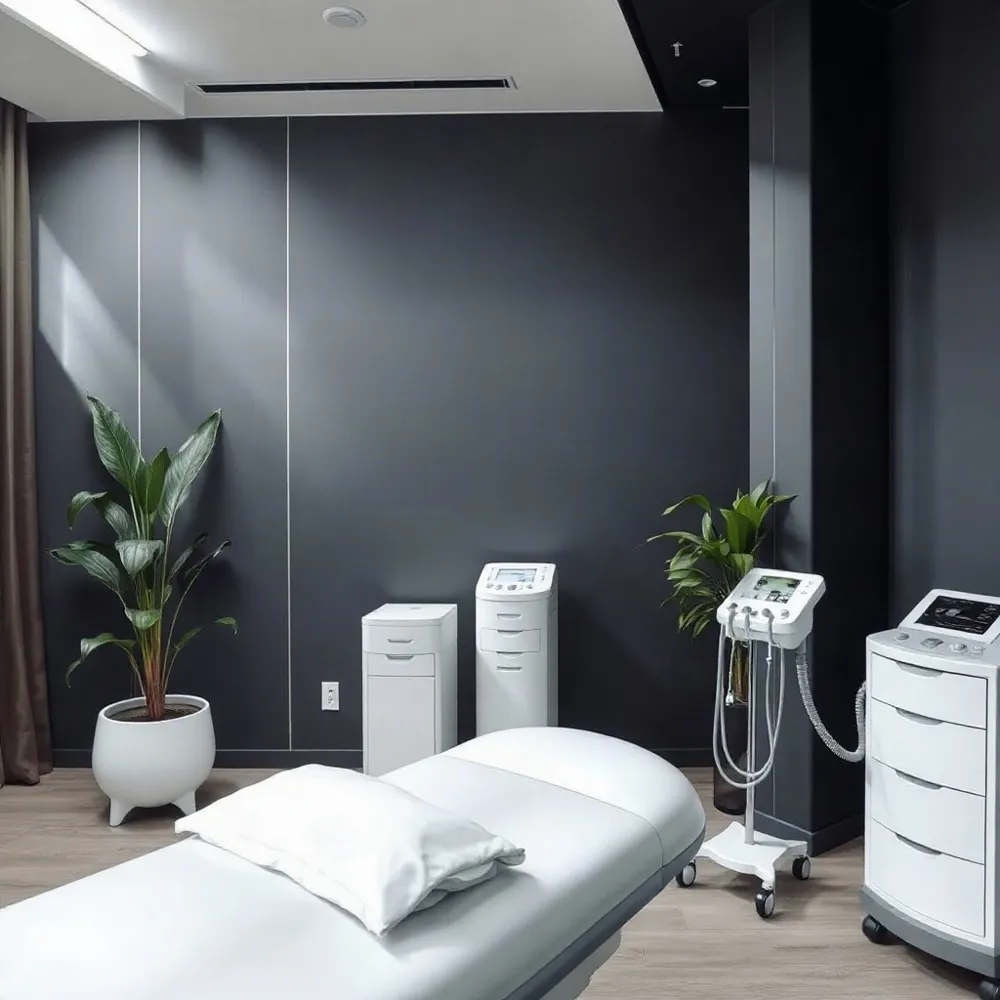
Embracing a Natural Approach to Aesthetic Rejuvenation
The field of aesthetics is undergoing a shift from masking the signs of aging with synthetic fillers toward biological restoration. Rather than relying solely on external materials to temporarily camouflage volume loss or wrinkles, regenerative aesthetics utilizes the body's own growth factors and cellular messengers to rebuild tissue from within. By leveraging autologous biological products like Platelet-Rich Plasma, providers can stimulate the body to produce its own collagen and elastin.
At Advanced Integrative Medicine, we prioritize this conservative, patient-centered approach to ensure outcomes that feel and look natural. Many traditional practices focus on surface-level improvements using synthetic agents, but our focus at www.regenmedmerced.com involves supporting the underlying tissue health to achieve durable rejuvenation. This integrative perspective views skin vitality as a reflection of overall cellular function, aligning with the broader goal of long-term healing over quick-fix solutions.
Minimally invasive, non-surgical techniques have gained popularity because they offer shorter recovery times than traditional surgical alternatives. Research shows that regenerative procedures, such as microneedling or targeted biostimulators, work best as part of a multi-modal strategy. By addressing the root biological factors of skin degradation, patients often experience improved elasticity and texture that synthetic materials alone cannot replicate.
Understanding the Science of Regenerative Aesthetics
 Regenerative medicine focuses on restoring the function of damaged tissues by supporting the body's innate healing capabilities, rather than relying solely on surgical intervention according to the American Board of Cosmetic Surgery. In the context of aesthetic treatments, this field moves beyond symptom management, such as temporarily filling lines, to address the biological foundations of tissue degradation. By utilizing autologous biological products like Platelet-Rich Plasma (PRP), practitioners at Advanced Integrative Medicine can harness concentrated growth factors to stimulate collagen synthesis and promote cellular renewal.
What is regenerative medicine and how does it apply to aesthetic treatments?
At its core, this approach seeks to revert the extracellular matrix to a more youthful state through intercellular communication and repair per the Open Dermatology Journal. While traditional methods often mask signs of aging with synthetic materials, regenerative aesthetic procedures encourage the body to recuperate itself, often yielding more durable results according to the American Society of Plastic Surgeons. At Advanced Integrative Medicine, we pair these biological strategies with personalized care, ensuring each treatment plan addresses the unique structural and physiological needs of the patient's skin.
| Treatment Goal | Traditional Approach | Regenerative Approach |
|---|---|---|
| Volume Loss | Synthetic Fillers | Autologous Fat/PRP |
| Skin Texture | Surface Masking | Collagen Remodeling |
| Healing Time | Surgical Downtime | Natural Acceleration |
Common Non-Surgical Techniques for Skin Vitality
 Regenerative aesthetics focuses on utilizing the body’s own biological tools to revitalize skin and improve its long-term health. At Advanced Integrative Medicine, we emphasize a conservative, patient-centered approach to these treatments, helping patients explore options that avoid the downtime associated with surgery.
What are the most common non-surgical regenerative treatments available for skin rejuvenation?
The primary methods in this field include Platelet-Rich Plasma (PRP) and Platelet-Rich Fibrin (PRF) therapies, which leverage growth factors to stimulate natural healing and collagen production. While competitors often rely on synthetic fillers that provide temporary volume, our approach at Advanced Integrative Medicine focuses on treatments that trigger the body’s intrinsic repair mechanisms for more durable results.
Beyond autologous blood products, the industry utilizes biostimulators such as Sculptra and Radiesse. Unlike traditional hyaluronic acid options, these agents actively induce the production of new collagen and, in some cases, support the generation of fat cells to restore lost facial volume. Many patients also pair these injections with energy-based devices like radiofrequency or ultrasound, which use controlled heat to trigger a healing cascade in the deeper dermal layers.
| Treatment Type | Primary Mechanism | Main Benefit |
|---|---|---|
| PRP/PRF | Growth factor release | Tissue repair |
| Biostimulators | Collagen production | Volume restoration |
| Energy-based | Thermal stimulation | Skin tightening |
Mechanisms and Clinical Applications of PRP Therapy
 Platelet-Rich Plasma (PRP) therapy operates by harnessing a patient's own biological resources to stimulate tissue repair. The process begins with a blood draw, followed by a centrifugation process that separates and concentrates platelets from other blood components. This concentrate contains a significantly higher density of platelets than circulating blood, providing a potent delivery system for cellular repair.
These concentrated platelets are packed with signaling proteins, including PDGF, VEGF, and TGF-beta. Once introduced to a target area, these factors act as chemical messengers that trigger cell reproduction and collagen synthesis. At Advanced Integrative Medicine, we utilize these autologous growth factors to support the skin's structural integrity, an approach that stands in contrast to the use of synthetic materials or temporary fillers.
How does Platelet-Rich Plasma (PRP) therapy function in skin and hair regeneration?
In clinical practice, this therapy serves multiple rejuvenation goals. For facial rejuvenation, the localized application of growth factors encourages dermal fibroblasts to produce new collagen and elastin, which improves skin tone and elasticity. When applied to the scalp, PRP therapy provides a non-surgical option for addressing hair thinning by signaling dormant follicles to initiate growth. While results often depend on a patient's individual regenerative capacity, these treatments offer a low-risk profile as they rely on the patient's own biological material, effectively eliminating the risk of immune system rejection associated with foreign substances.
- Blood collection and centrifugation to isolate growth factors.
- Targeted injection into the dermis or scalp to trigger natural signaling pathways.
- Activation of tissue remodeling and cell proliferation to enhance structural health.
- Maintenance cycles to sustain outcomes as the body continues its natural recovery process.
Safety Profiles and Treatment Expectations
Regenerative aesthetic procedures, such as Platelet-Rich Plasma (PRP) therapy, are widely regarded for their high safety profile. Because these treatments utilize autologous biological material, they carry a significantly lower risk of allergic reactions or immune rejection compared to traditional synthetic fillers, with adverse event rates reported at less than 1% per recent clinical data according to the Cleveland Clinic.
What are the potential side effects and limitations of regenerative aesthetic treatments like PRP?
Patients often experience minor, temporary side effects at the injection site, including bruising, tenderness, or swelling. These effects typically resolve within 24 to 48 hours per research in the Face Beauty Science journal. While the procedure is low-risk, the regenerative response is inherently dependent on individual physiology. As noted in research on PRP in aesthetics, the body's natural capacity for healing and growth factor expression can naturally decline with age. Consequently, individuals with certain health conditions or those who smoke may see more variable outcomes.
How long do the results of regenerative aesthetic treatments typically last?
Managing expectations regarding timelines is essential, as regenerative medicine works by stimulating the body's internal repair mechanisms rather than providing instant volumization. Visible improvements generally emerge over several weeks or months as outlined by the Cleveland Clinic. While traditional fillers might require replacement every few months, regenerative aesthetics aim for longer-term tissue quality improvements. At www.regenmedmerced.com, we emphasize a conservative, patient-centered approach, typically recommending a series of three to six sessions to achieve optimal results. Because these treatments are not permanent, periodic maintenance is usually required to sustain the desired level of skin vitality and structural support.
Navigating Clinical Challenges and Future Research
While regenerative medicine offers immense potential for healing, it faces several scientific and clinical hurdles. A primary challenge is the body’s natural tendency to form scar tissue, or fibrosis, which can physically interfere with the regenerative process and prevent optimal healing. Additionally, researchers must carefully manage the immune system's response to ensure that therapeutic cells are not rejected or negatively impacted. Controlling cell behavior is another critical concern, as preventing the over-proliferation of cells is essential for safety and effectiveness. Ultimately, the field continues to work toward delivering consistent, standardized, and reliable outcomes that can be seamlessly integrated into patient care.
Standardizing Protocols for Consistent Clinical Outcomes
One significant hurdle in the widespread adoption of autologous treatments like Platelet-Rich Plasma (PRP) is the lack of standardized preparation protocols. Differences in centrifugation speeds, anticoagulant use, and whether a preparation is leukocyte-rich or leukocyte-poor can significantly alter the biological composition of the final product. At www.regenmedmerced.com, we prioritize precise, reproducible preparation methods to ensure each patient receives a consistent and therapeutic dose of growth factors, addressing the variability that often plagues less controlled clinical settings.
Advanced Technologies and the Future of Tissue Engineering
Looking ahead, the integration of tissue engineering is set to expand the capabilities of regenerative aesthetics beyond simple injections. Advanced techniques such as 3D bioprinting aim to create complex, personalized scaffolds that support cellular growth and vascularization, potentially replacing traditional, non-regenerative implants. Similarly, exosome research offers a frontier in cellular communication, with these tiny vesicles showing promise in reducing inflammation and accelerating tissue remodeling far more efficiently than standard therapies alone.
The Investment Value of Regenerative Treatments
The financial commitment for regenerative aesthetic procedures reflects several clinical variables, including the complexity of the treatment, the concentration of autologous materials used, and the provider's technical expertise. Precise delivery methods, such as those employing ultrasound-guided imaging, often command higher fees due to the specialized equipment and training required to ensure safety and efficacy.
At Advanced Integrative Medicine, we emphasize that quality of care dictates long-term value. While some practices advertise lower prices by using simplified protocols or reduced concentrations of growth factors, these budget options frequently yield suboptimal results. In contrast, comprehensive care plans that integrate targeted PRP therapy with personalized, multi-modal strategies often provide superior durability. By addressing the root cause of tissue degradation rather than merely masking symptoms, patients may achieve more sustainable improvements, reducing the need for the frequent, costly retreatments often seen with less precise aesthetic services.
| Investment Aspect | Low-Cost Approach | Comprehensive Strategy |
|---|---|---|
| Precision | Standardized, manual | Image-guided, targeted |
| Longevity | Short-term effects | Extended tissue repair |
| Outcome | Surface-level changes | Cellular regeneration |
Prioritizing Longevity Through Natural Restoration
Achieving lasting aesthetic rejuvenation requires viewing skin health as a reflection of overall physiological wellness. Advanced Integrative Medicine supports this patient-centered philosophy by emphasizing lifestyle foundations, including proper nutrition, consistent hydration, and quality sleep, which provide the essential building blocks for natural tissue repair. Unlike synthetic fillers that merely mask signs of aging, our conservative approach leverages autologous biologics to strengthen the skin structure from within.
The long-term value of these treatments lies in their ability to stimulate the body's innate healing mechanisms, encouraging sustained collagen and elastin production. By choosing therapies that respect your body's natural architecture, you invest in results that feel as authentic as they look. While regenerative procedures like Platelet-Rich Plasma therapy offer a low-risk profile for rejuvenation, success is highest when tailored to your unique health profile.
We encourage you to prioritize your longevity by consulting with qualified medical experts who understand the synergy between cellular science and aesthetic outcomes. A professional evaluation at www.regenmedmerced.com ensures that your treatment plan aligns with both your immediate goals and your long-term health, helping you maintain a vibrant, refreshed appearance through natural restoration.