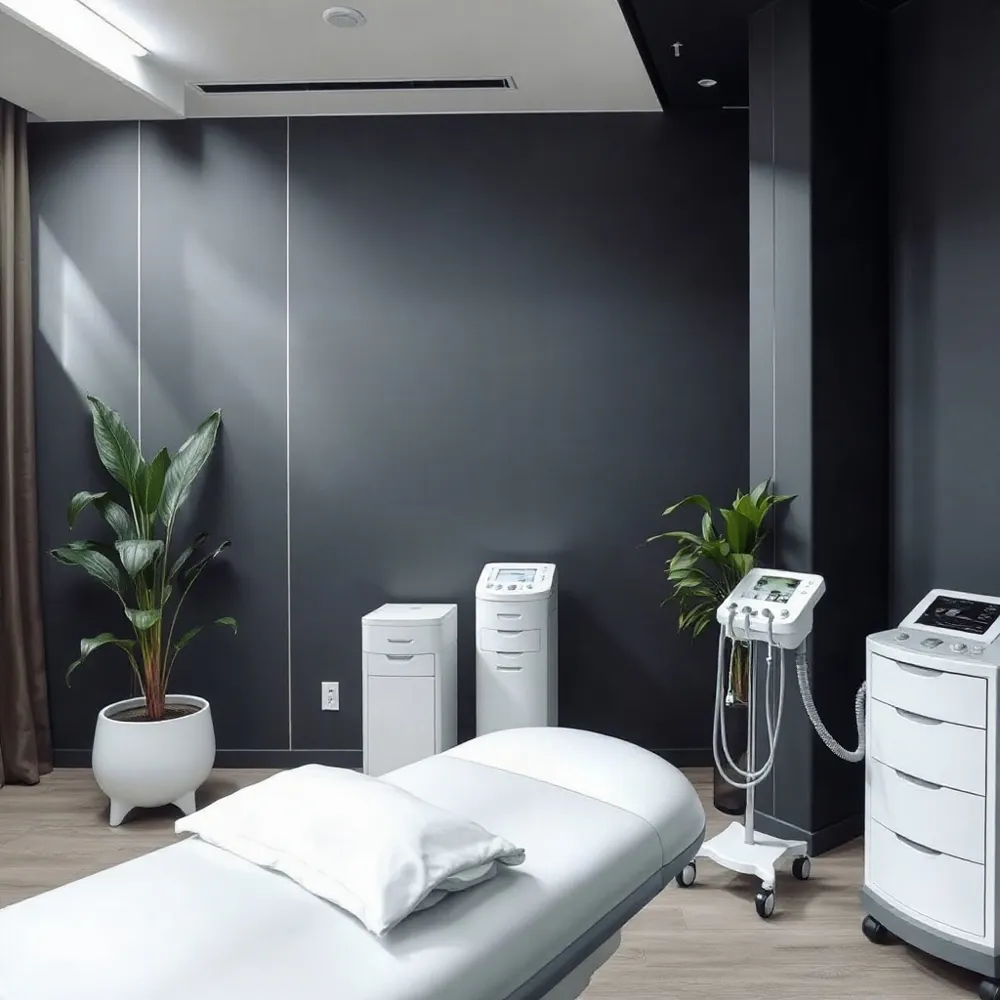
Start With the Consultation
A consultation is a chance to understand what platelet-rich plasma (PRP) treatment involves, assess whether it may fit your situation, and discuss likely benefits, risks, limitations, and alternatives before deciding whether to proceed. A qualified clinician can review your hair-loss pattern and health history, then help set realistic expectations.
PRP is prepared from a patient’s own blood and injected into areas of scalp thinning. However, its use for hair growth is considered off-label, and preparation and treatment methods vary between practices. Research findings are mixed, and PRP does not work for everyone or guarantee regrowth. The International Society of Hair Restoration Surgery’s PRP guidance explains these limits and the importance of informed consent.
Treat this as general educational information, not a personal recommendation. Ask a clinician with relevant experience to assess your individual circumstances and explain other options. Advanced Integrative Medicine describes its work as regenerative care for pain management; do not assume the practice offers PRP hair restoration unless it confirms that directly.
Assessing Hair Loss and Candidacy
 A useful assessment looks beyond how much hair has thinned. The clinician may ask when the change began, how quickly it has progressed, which areas are affected, and whether you have tried treatments before. They may also examine your scalp and review your health, medications, and relevant family history to help identify possible causes.
PRP is generally considered more promising when hair is thinning and follicles remain than in areas that are completely bald. It may support existing follicles, but it cannot create follicles where none remain. The International Society of Hair Restoration Surgery’s guidance on PRP for hair loss describes candidacy as individual and notes that results vary.
Suitability may also depend on platelet levels, general health, and the condition of the scalp. Active scalp problems or some systemic illnesses can affect whether treatment is appropriate. Share your medical history and medication list openly, and ask which risks or alternatives apply to you. PRP preparation and treatment methods are not standardized, so the clinician should explain the approach being proposed.
Hair loss can have causes that call for a different response. If your history or examination points to a possible underlying contributor, the clinician may recommend further evaluation before discussing PRP. At Advanced Integrative Medicine, the stated approach is conservative and patient-centered, with regenerative treatments considered in the context of an individual’s health and options, rather than assumed to suit every person.
Understanding the Evidence and Limits
 PRP is prepared from a sample of the patient’s own blood. After processing separates and concentrates the platelets, the resulting plasma contains platelets and growth-factor proteins that are injected into the scalp. These factors may affect hair growth, but exactly how PRP works, and how much it may help an individual, is not fully understood. The International Society of Hair Restoration Surgery’s overview of PRP explains these uncertainties.
Research findings and patient outcomes are mixed. Differences in participants, blood-processing methods, platelet concentrations, and injection techniques make studies difficult to compare, and there is no universally standardized protocol. Some people may experience less shedding or hair that looks thicker; others may see little or no benefit. PRP is not a guaranteed way to regrow hair.
PRP for hair growth is an off-label use. Some systems used to prepare PRP have FDA clearance for other medical indications, but that does not mean they are cleared specifically to treat hair loss. Ask the clinician to explain what evidence supports the proposed approach and what remains uncertain.
Before deciding, discuss possible benefits, limitations, risks, and alternatives, then consider whether the information is clear enough to give informed consent. At Advanced Integrative Medicine, PRP is described as part of a conservative, patient-centered approach to regenerative care, but its stated focus is pain management. Do not assume the practice offers PRP for hair loss; confirm the service and its suitability directly with a qualified clinician.
Questions to Ask Your Clinician
A useful consultation should leave you with a clear picture of who will assess your hair loss, who will perform treatment, and how the proposed plan fits your needs. At Advanced Integrative Medicine, care is described as patient-centered and conservative, so it is reasonable to expect an individualized discussion rather than a recommendation made before an assessment.
Ask about the clinician’s training and experience with hair restoration, and how they determine the likely cause and pattern of hair loss. You can also ask how the platelet-rich plasma is prepared and administered, whether the plan includes microneedling or added materials, and why those methods are being recommended. PRP protocols are not standardized, so the International Society of Hair Restoration Surgery’s overview can help frame questions about differences between practices.
Ask which alternatives may suit your situation, including non-invasive treatments or a combination approach. Options such as minoxidil or finasteride are not appropriate for everyone, and the clinician should explain their possible role alongside PRP rather than treating any one choice as universal.
Before proceeding, find out how progress will be tracked, when the plan will be reviewed, and what the next step would be if treatment does not help. Ask why a particular follow-up or maintenance schedule is proposed, since treatment intervals vary and ongoing care may be needed to maintain benefit.
Clear answers, a personalized evaluation, and time to consider your choices are signs of a useful discussion. A clinician should explain uncertainties and alternatives without pressuring you to commit; you can ask for clarification or seek another opinion if the rationale remains unclear.
Preparing for a PRP Appointment
Preparation starts with sharing a complete health and medication history. Tell the clinician about prescription medicines, over-the-counter drugs, vitamins, and other supplements, as well as any blood disorders or current illness. These details can help the provider assess whether treatment is appropriate and give instructions suited to your situation.
Ask the clinic what to do with hair and scalp products before the appointment. Some guidance recommends arriving without scalp or camouflage products, but clinic protocols can differ. Confirm whether you should wash your hair beforehand and whether there are any specific instructions about eating, drinking, or staying hydrated.
Medication advice needs particular care. The International Society of Hair Restoration Surgery’s PRP guidance discusses avoiding anti-inflammatory medicines such as aspirin and other NSAIDs after treatment, but recommendations may depend on the clinician’s protocol and your health. Do not pause or change a prescribed medicine unless the clinician who prescribed it advises you to do so. Ask your PRP provider and prescribing clinician how to handle any medicine that may affect treatment.
If you have a blood condition, feel unwell, or are unsure whether a medicine or supplement matters, contact the clinic before your appointment rather than waiting until you arrive. At Advanced Integrative Medicine, PRP is part of a broader regenerative-medicine practice focused on patient-centered assessment; its published focus is pain management, so confirm directly whether the clinic provides PRP hair treatment and what preparation instructions apply.
What Happens During Treatment
 If you decide to proceed, the appointment generally involves collecting a blood sample, processing it, and injecting the prepared platelet-rich plasma (PRP) into selected areas of scalp thinning. The exact sequence and technique depend on the clinic’s protocol.
One description places the blood draw at about 30–60 milliliters, with centrifuge processing taking roughly 10 minutes. The centrifuge separates blood components so the platelet-rich portion can be prepared for injection. These amounts and methods are not universal: the International Society of Hair Restoration Surgery’s PRP guidance notes that preparation and administration vary among practitioners.
A typical visit may take about 45 minutes to an hour. While the sample is processed, the clinician may clean the scalp and apply a local numbing agent. The prepared PRP is then injected superficially at selected sites. Some clinics use other comfort measures, so ask what will be available during your appointment.
The blood draw may feel much like routine lab work. Scalp injections can cause brief pinches or stinging, though the sensation varies by person and technique. Ask your clinician how they manage discomfort and whether numbing or cooling is appropriate.
Because there is no single standardized preparation or injection method, a clear explanation of your own procedure matters more than assuming every clinic follows the same steps. At Advanced Integrative Medicine, PRP is described as part of a conservative, patient-centered approach to regenerative care, but its practice information focuses on pain management. Confirm directly with the clinic whether it offers PRP for hair loss before making an appointment.
Recovery and Activity After Treatment
After scalp injections, temporary pain or tenderness at the injection sites can occur, and some people may experience swelling. Ask the treating clinician what effects are expected in your case, how to manage discomfort, and which symptoms should prompt a call. The ISHRS guidance on PRP for hair loss describes temporary local pain and swelling as possible effects.
Many people return to ordinary activities promptly, but that does not mean every activity or scalp-care step is appropriate right away. Follow your clinic’s instructions on when to wash your hair, exercise, use heat, or apply scalp products. Recommendations can differ with the treatment method and individual circumstances.
Do not assume aftercare advice for PRP injections into a joint, tendon, or another body area also applies to scalp treatment. Advanced Integrative Medicine describes PRP as part of its non-surgical approach to pain management, including care for conditions such as back pain and sports injuries. Recovery guidance for those procedures should not be treated as instructions for hair restoration.
Ask before taking or stopping anti-inflammatory or prescribed medicines, even if general advice online suggests changing them. Rest, hydration, and a gradual return to usual activity may support comfort, but your clinician should tailor recommendations to your procedure. Contact the clinic if symptoms become significantly worse or feel concerning, rather than relying on general timelines or advice.
Planning for Gradual Results
PRP is not an immediate or guaranteed fix for hair loss. When patients respond, changes tend to appear gradually, and the degree of improvement varies. A clinician should explain what a realistic outcome might look like for your hair-loss pattern, rather than promise a specific result.
Treatment plans often begin with a series of sessions, followed by maintenance, but there is no universally accepted schedule. The International Society of Hair Restoration Surgery’s guidance on PRP describes a common approach of monthly initial treatments and later booster sessions, while noting that intervals vary. Ask why a proposed schedule fits your situation and what ongoing care may involve.
Some reports describe early changes within one to two months, but that does not mean everyone will notice improvement that soon. It may take several months to judge whether treatment is helping, and maximum improvement can take up to a year. The Cleveland Clinic likewise notes that visible improvement may begin after about three months, with maximum improvement taking up to a year (Cleveland Clinic’s PRP overview).
Ask how progress will be reviewed and what to do if there is little change. Follow-up visits and photographs taken in consistent lighting, angles, and hair conditions can make subtle differences easier to assess. Keep expectations practical: comparisons are most useful when made over time, not from day to day.
Maintenance may matter because the ISHRS notes that stopping treatment can lead to loss of hair maintained or gained through PRP. Discuss the likely commitment, costs, and alternatives before starting. At Advanced Integrative Medicine, care is centered on non-surgical options for pain management, so patients considering hair-loss PRP should confirm that any proposed service and follow-up plan are offered by a qualified clinician.
Costs and the Broader Treatment Plan
Before agreeing to treatment, ask for the price per session, the estimated cost of the initial series, and any likely maintenance expenses. PRP costs vary, and insurance rarely covers elective cosmetic procedures. The International Society of Hair Restoration Surgery’s PRP guidance describes a broad range of about $400 to $1,500 or more per session, so confirm current fees directly with the clinic.
Price may reflect the preparation equipment, additives, and provider factors. Compare what each quote includes, and ask about the clinician’s experience with PRP for hair loss. A lower fee is not, by itself, evidence of better value; reputation and a clear explanation of the proposed plan also matter.
How can patients maximize the potential benefits of PRP treatment?
Start by confirming with a qualified clinician that PRP fits your type of hair loss and overall health. Share your medical and medication history, discuss realistic expectations and alternatives, and follow the individualized treatment and aftercare plan. Attend recommended follow-ups so progress and any maintenance needs can be reviewed. These steps do not guarantee benefit, and you should not change prescribed medicines without medical advice.
PRP may be considered alongside other hair-loss approaches, but the right combination depends on the person and should be discussed with a clinician. Advanced Integrative Medicine describes its care as conservative and patient-centered, values that support careful consideration of options; its stated services focus on regenerative medicine for pain, so do not assume it offers PRP hair restoration.
Should patients avoid caffeine before or after PRP treatment?
The available hair-restoration sources do not establish a universal caffeine restriction or show that ordinary caffeine intake changes outcomes. Follow your clinic’s instructions, stay hydrated, and ask your provider about caffeine-containing supplements or medicines if relevant. There is no clear hair-specific basis here for a universal post-treatment restriction either, so seek advice tailored to your care.
Make an Informed Individual Decision
A PRP consultation is a chance to weigh whether treatment fits your health, hair-loss pattern, and goals. It is not a promise of regrowth or a commitment to proceed. The International Society of Hair Restoration Surgery’s PRP guidance notes that results vary and that PRP is not a suitable or effective choice for everyone.
Before deciding, make sure you understand your candidacy and the limits of current evidence. Ask about possible risks, alternatives, preparation, aftercare, the proposed cost, and how progress will be reviewed. Your plan should reflect your circumstances rather than rely on a standard schedule.
Discuss your medical history, medications, and concerns with a qualified clinician, and ask what follow-up would look like. Advanced Integrative Medicine describes its work as regenerative care for pain management, so readers considering hair-loss PRP should verify directly whether their chosen practice provides that service. A clear answer can help you decide what to do next.