Why Non‑Surgical Anti‑Aging Matters
Aging skin loses roughly 1% of collagen each year after the mid‑20s, leading to thinner, less elastic tissue and the formation of fine lines and wrinkles. UV radiation accelerates this process by breaking down collagen and elastin fibers and generating reactive oxygen species, which further degrade the extracellular matrix and cause hyperpigmentation. Lifestyle factors such as adequate sleep, balanced nutrition, regular hydration, and avoidance of tobacco help preserve dermal health, while daily broad‑spectrum sunscreen (SPF 30 +) protects against photo‑aging. Topical antioxidants—particularly vitamin C serums—neutralize free radicals and support collagen synthesis, enhancing the durability of non‑surgical interventions. Together, these preventive measures create a foundation that maximizes the efficacy of minimally invasive treatments like retinoids, chemical peels, microneedling, and PRP, allowing patients to achieve lasting, natural‑looking rejuvenation without the risks and downtime of surgery.
Evidence‑Based Topical Therapies and What Doesn’t Work
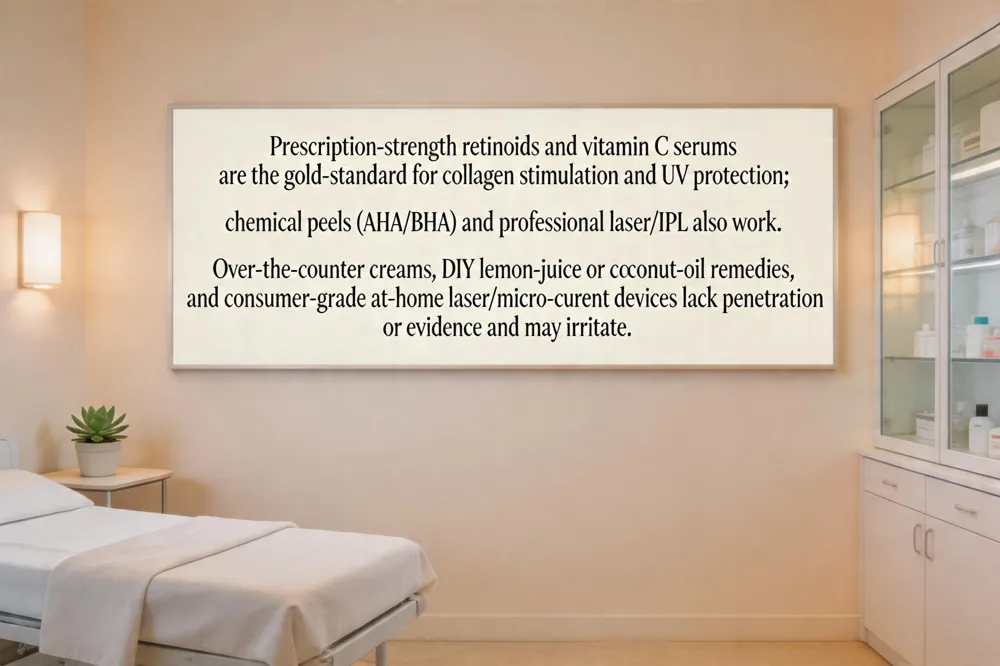 Effective anti‑aging treatments are those that stimulate collagen and elastin or protect against UV‑induced damage. Prescription‑strength retinoids (vitamin A derivatives) are the gold‑standard, increasing epidermal turnover and collagen synthesis and reducing fine lines. Topical vitamin C serums provide antioxidant protection, neutralizing free radicals and supporting collagen formation. Cosmetic procedures that work include chemical peels (AHA/BHA) that exfoliate and promote cell turnover, injectable neuromodulators such as Botox that relax dynamic muscles, hyaluronic‑acid fillers that restore lost volume, laser or IPL skin rejuvenation that remodels dermal collagen, and microneedling that creates controlled micro‑injuries to trigger collagen and elastin production. Ineffective or poorly supported approaches are over‑the‑counter creams, which cannot penetrate the skin, DIY remedies like lemon juice or coconut oil that lack robust evidence and may irritate, and consumer‑grade at‑home laser or micro‑current devices that fall short of professional‑grade efficacy.
Platelet‑Rich Plasma (PRP): Benefits, Costs, and Safety
 PRP delivers autologous growth factors—PDGF, TGF‑β, VEGF, EGF, FGF‑2, IGF—to dermal fibroblasts, stimulating collagen and elastin synthesis that restores skin thickness, smooths fine lines, and improves texture and tone. Typical facial rejuvenation costs range from $300‑$1,500 per session (average ~$1,000), with full‑course regimens of 2‑4 treatments totaling several thousand dollars; insurance rarely covers cosmetic PRP. Short‑term side effects are mild: swelling, redness, bruising, tenderness, itching, or tingling, usually resolving within days. Rare complications include infection, nodule/granuloma formation, or accidental intravascular injection leading to vision loss, underscoring the need for sterile technique and qualified providers. Overall, PRP offers a non‑surgical patient‑centered option that promotes natural collagen remodeling with minimal downtime.
Vampire Facials, Microneedling, and Real‑World Patient Feedback
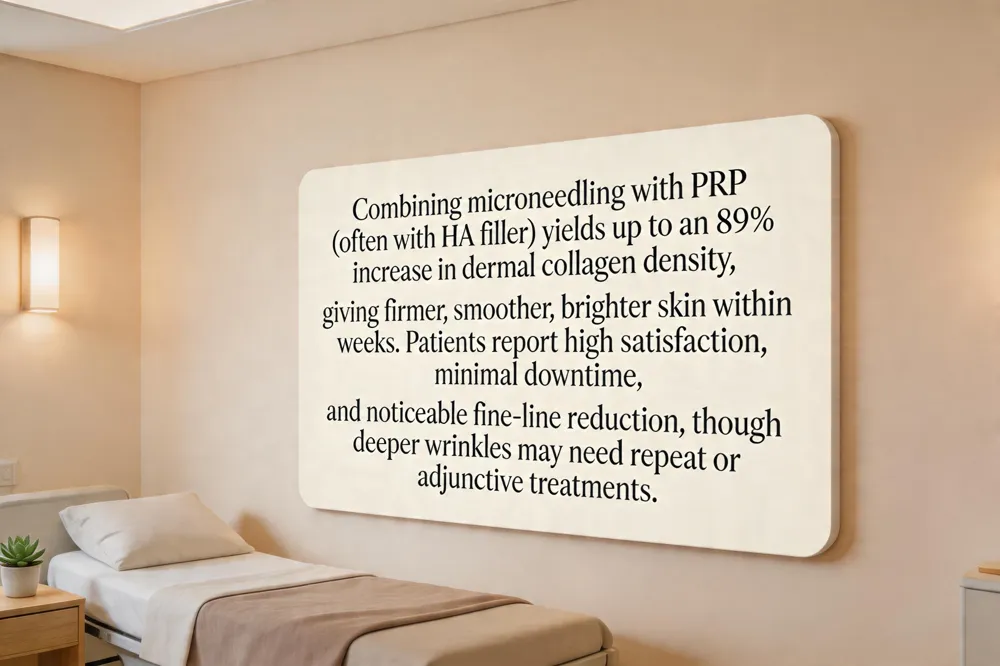 A vampire facial—microneedling paired with autologous platelet‑rich plasma (often with hyaluronic‑acid filler) produces a gradual, natural‑looking lift. Clinical data show up to an 89 % increase in dermal collagen density, translating into firmer skin, smoother texture, and a brighter, more even tone within weeks. Fine lines and mild wrinkles soften, and periorbital dark circles diminish, while patients report a modest volumizing effect from the filler component.
PRP injections alone follow a similar trend: skin texture, hydration, and tone improve noticeably after a single session, with collagen gains of up to 89 % and lasting results for six to twelve months. Deep nasolabial folds may need adjuncts, but overall fine‑line reduction is evident.
Patient feedback is overwhelmingly positive when expectations are realistic. Most describe smoother, more luminous skin, minimal downtime, and a confidence boost from the subtle, youthful appearance. A minority note that deeper wrinkles respond modestly and may require repeat treatments. Overall satisfaction remains high for these non‑surgical, regenerative approaches.
Other Non‑Surgical Options: Fillers, Neuromodulators, Ultherapy, and Celebrity Trends
 What non‑surgical anti‑aging options are available?
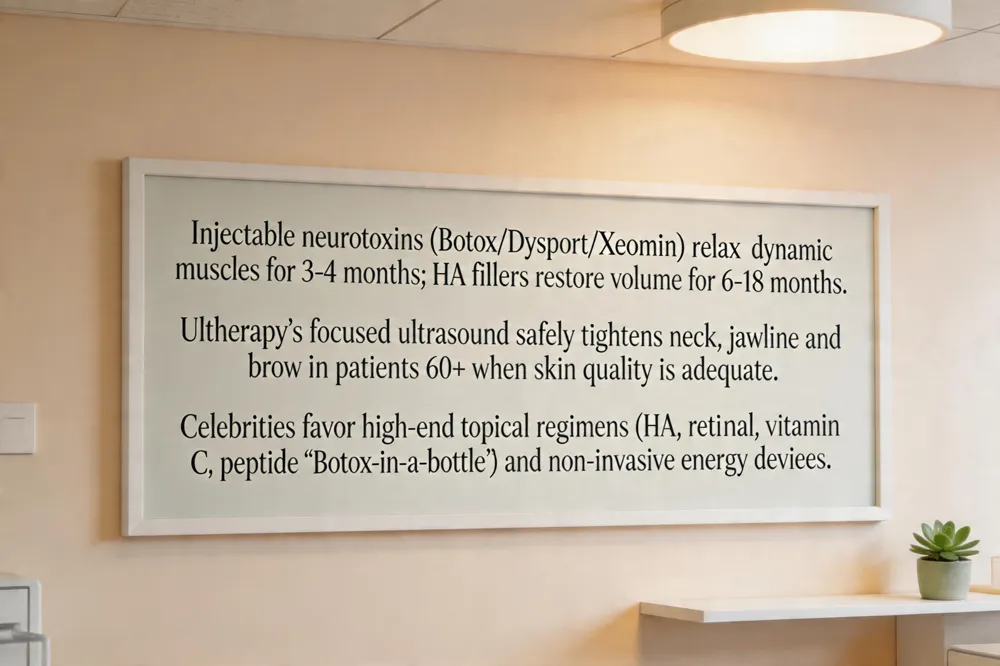
Injectable neurotoxins (Botox, Dysport, Xeomin) relax dynamic facial muscles, reducing fine lines for 3‑4 months. Hyaluronic‑acid fillers restore lost volume and smooth static wrinkles for 6‑18 months. Microneedling, chemical peels, and radio‑frequency devices stimulate collagen and elastin remodeling. Platelet‑rich plasma (PRP) delivers autologous growth factors that modestly improve skin texture and fine lines. Topical retinoids, vitamin C serums, and antioxidants support epidermal turnover and photoprotection.
What non‑surgical anti‑aging options are available?
Injectable neurotoxins (Botox, Dysport, Xeomin) relax dynamic facial muscles, reducing fine lines for 3‑4 months. Hyaluronic‑acid fillers restore lost volume and smooth static wrinkles for 6‑18 months. Microneedling, chemical peels, and radio‑frequency devices stimulate collagen and elastin remodeling. Platelet‑rich plasma (PRP) delivers autologous growth factors that modestly improve skin texture and fine lines. Topical retinoids, vitamin C serums, and antioxidants support epidermal turnover and photoprotection.
Is Ultherapy appropriate for patients in their 60s? Yes. Ultherapy’s focused‑ultrasound energy induces neocollagenesis, offering gradual skin tightening for the neck, jawline, and brow. Studies show high response rates in patients ≥65 years when skin quality is adequate; a second session often enhances results. Proper assessment of collagen‑producing capacity and contraindications is essential.
What do celebrities use instead of Botox? Stars favor high‑end topical regimens rich in hyaluronic acid, retinol, vitamin C, and peptide “Botox‑in‑a‑bottle” formulas that temporarily relax muscles without needles. They also employ fractional lasers, RF microneedling, and Ultherapy for non‑invasive lift, combined with facial‑exercise routines and lifestyle optimization (sleep, nutrition, sunscreen).
Integrating Regenerative Therapies into a Personalized Anti‑Aging Plan
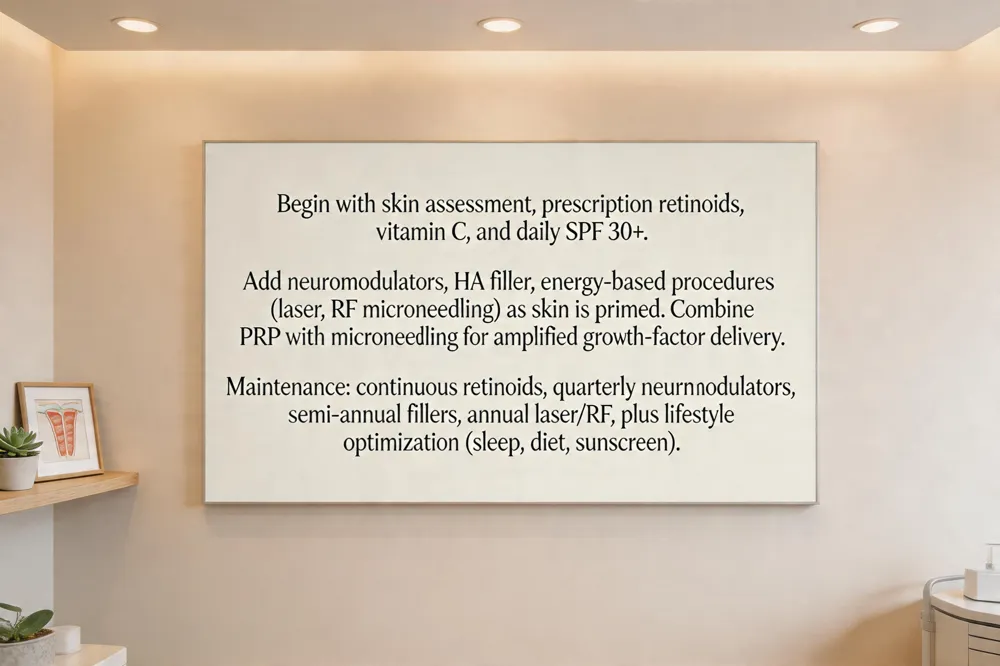 A patient‑centered assessment begins with evaluating skin type, existing photodamage, hormonal status, and medical history to set realistic aesthetic goals. First‑line topical therapy includes prescription‑grade retinoids and vitamin C serums, which boost collagen turnover and protect against UV‑induced oxidation; daily broad‑spectrum SPF 30+ is essential. Injectable modalities—Botox (or other neuromodulators) for dynamic lines and hyaluronic‑acid fillers for volume loss—are introduced after the skin is primed, often followed by energy‑based procedures such as fractional laser/IPL resurfacing or radiofrequency‑microneedling to stimulate deeper collagen remodeling. Platelet‑rich plasma (PRP) can be combined with microneedling to amplify growth‑factor delivery. Maintenance schedules typically involve retinoid use continuously, quarterly neuromodulator injections, semi‑annual HA dermal fillers touch‑ups, and annual laser or RF sessions, while lifestyle optimization (adequate sleep, antioxidant‑rich diet, smoking cessation) sustains results. Safety considerations include screening for active infections, anticoagulant use, and skin type‑specific risks (e.g., hyperpigmentation in darker Fitzpatrick tones).
What aesthetic treatments are effective for anti‑aging and which are not?
Effective treatments: topical retinoids, vitamin C antioxidants, daily SPF, chemical peels, Botox/neuromodulators, HA dermal fillers, laser/IPL resurfacing, microneedling (especially with PRP), and PRP injections. Ineffective or low‑value options: over‑the‑counter collagen creams (molecules too large to penetrate), at‑home laser or micro‑current devices (inferior to professional equipment), and DIY remedies such as lemon juice or coconut oil which lack robust evidence and may irritate the skin.
Conclusion: Choosing the Right Non‑Surgical Path
 When selecting a non‑surgical anti‑aging regimen, patients should weigh the robust evidence for modalities such as prescription retinoids, Botox, hyaluronic‑acid fillers, laser resurfacing, microneedling, and PRP against their personal goals and tolerance for downtime. Choosing a board‑certified clinician with expertise in these techniques is essential to set realistic expectations, avoid complications, and tailor treatment intensity. Integrating preventive measures—daily broad‑spectrum SPF, antioxidant skincare, and healthy lifestyle habits—with regenerative options like PRP‑enhanced microneedling creates a synergistic effect that sustains collagen synthesis, improves texture, and prolongs results, delivering lasting benefits far beyond isolated, short‑term interventions.
Final Thoughts on Modern Anti‑Aging Strategies
Optimal outcomes arise when clinicians blend proven modalities—medical‑grade retinoids, daily SPF, neuromodulators, hyaluronic‑acid fillers, and collagen‑stimulating energy devices—into a cohesive regimen. A patient‑centered, minimally invasive approach prioritizes safety, individualized assessment, and realistic expectations, allowing for tailored combinations such as PRP‑augmented microneedling or laser resurfacing with antioxidant serums. Ongoing research into regenerative therapies, including PRP, PRF, and emerging stem‑cell‑derived exosomes, promises deeper collagen remodeling and longer‑lasting rejuvenation. Continued high‑quality studies and evolving technologies will refine protocols, ensuring that anti‑aging care remains effective, evidence‑based, and aligned with each individual’s health goals.