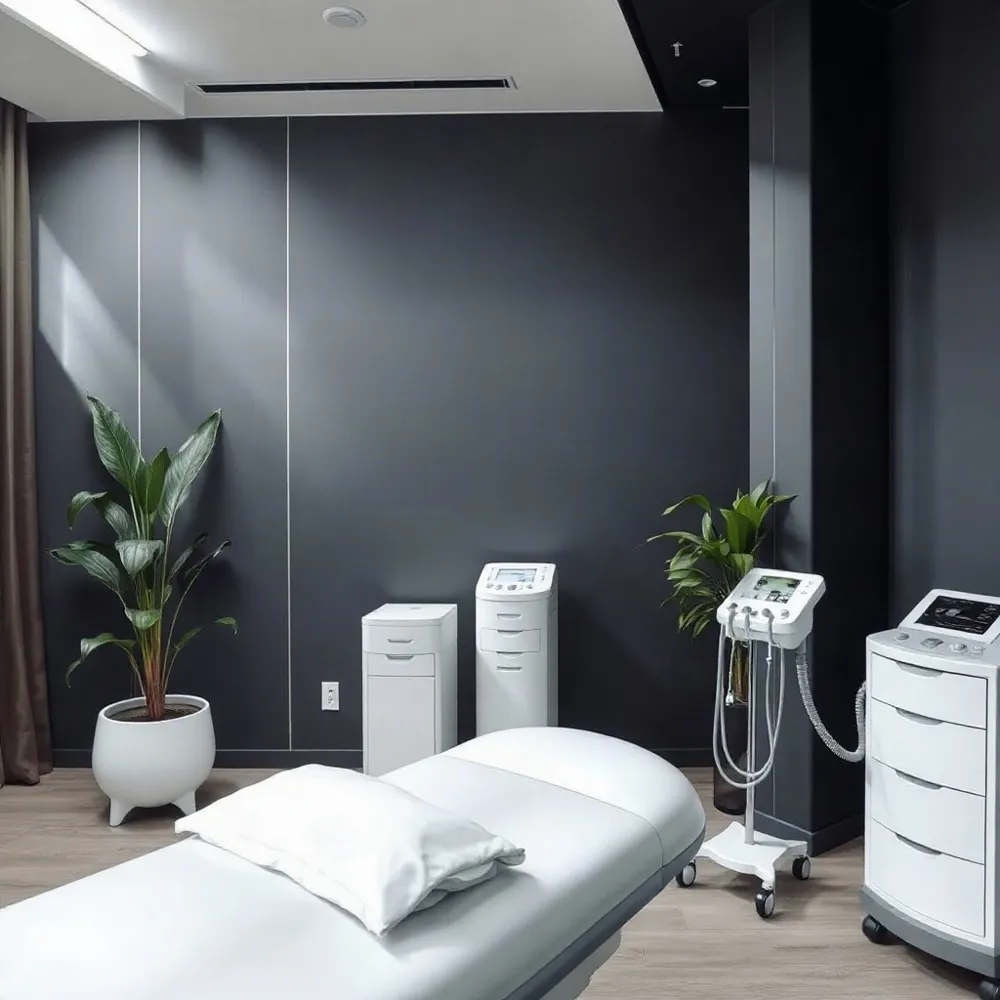
Redefining Pain Management Through Integrative Medicine
Traditional medical models often prioritize symptom management, frequently relying on opioids or surgery to address pain. In contrast, integrative medicine shifts the focus toward a patient-centered approach that treats the whole person. By addressing physical, emotional, and lifestyle factors, providers at www.regenmedmerced.com aim to identify and resolve the underlying physiological drivers of chronic discomfort rather than simply masking it.
Chronic pain is a multidimensional experience that touches on biological, psychological, and social dimensions. Because approximately 50 million American adults suffer from persistent pain, integrative pain care provides a necessary framework to coordinate care across multiple disciplines. This evidence-based strategy incorporates practices like acupuncture, meditation, and regenerative therapies to help patients move away from a reliance on addictive pharmaceuticals or invasive surgical interventions.
Holistic Approaches to Managing Chronic Back Pain
 A holistic approach to managing chronic back pain shifts the focus from simply masking symptoms with medication to addressing the underlying causes through comprehensive, conservative care. Because chronic pain often impacts a patient’s overall quality of life, sleep, and mental well-being, this strategy prioritizes personalized treatment plans that support the body's natural recovery processes. By avoiding invasive procedures as a first-line treatment, this patient-centered philosophy emphasizes collaboration to restore long-term health and mobility.
Addressing Biopsychosocial Dimensions
Chronic pain involves complex biopsychosocial interactions, meaning it affects more than just physical structures. It frequently triggers secondary issues like anxiety, sleep disturbance, and impaired daily function. At Advanced Integrative Medicine, we recognize that care must go beyond standard organ-based pathobiology. By focusing on the whole person, our practitioners help patients move past self-imposed limitations, often integrating mindfulness meditation or stress-reduction techniques to disrupt the cycle of chronic tension.
Lifestyle, Nutrition, and Long-Term Wellness
Sustainable recovery often requires meaningful changes to daily habits. Nutritional education targeting anti-inflammatory diets provides patients with a potent tool to improve healing and decrease physical pain from within. Beyond diet, staying active through tailored exercise is critical. Research shows that yoga is an effective, non-pharmacological intervention for reducing functional disability in those with long-term back issues. Unlike practitioners who rely solely on surgery, our team at Advanced Integrative Medicine coordinates these conservative lifestyle modifications with active rehabilitation to ensure patients achieve long-term functional stability.
Regenerative Medicine as a Surgical Alternative
 For patients facing chronic joint or spine pain, the path forward often feels restricted to either lifelong medication or invasive surgery. Minimally invasive regenerative therapies provide a third, conservative alternative designed to repair tissue rather than merely mask symptoms. By utilizing the body's innate capacity for healing, physicians can intervene early in the degeneration process to improve function and delay, or potentially eliminate, the need for surgical correction.
Is regenerative medicine a viable alternative to surgery?
Regenerative medicine is increasingly recognized as a conservative pathway for addressing musculoskeletal damage. Clinics like Advanced Integrative Medicine emphasize a patient-centered approach by tailoring treatments to specific conditions. While procedures like Platelet-Rich Plasma therapy focus on using autologous growth factors to stimulate tissue regeneration, more advanced interventions like stem cell therapy offer a higher regenerative capacity. These multipotent adult stem cells are unique because they have an immunoprivileged status, meaning they generally do not trigger a significant immune response when transplanted, making them a safe tool for repairing cartilage or ligaments.
Is regenerative medicine, such as stem cell therapy, painful?
Most regenerative injections are minimally invasive and routinely performed under local anesthesia to ensure comfort. While some patients report mild soreness during the inflammatory phase, which is a necessary part of triggering the body's natural healing cascade, the discomfort is typically manageable. Unlike traditional surgery, which often requires significant recovery time, regenerative protocols allow many patients to return home the same day. By focusing on diagnostics and precise ultrasound-guided placement, advanced providers minimize procedural discomfort while maximizing the chances of long-term joint health.
Understanding PRP Therapy for Musculoskeletal Healing
 Platelet-Rich Plasma (PRP) therapy is a regenerative treatment that utilizes a concentrated dose of a patient’s own platelets, derived from a small blood sample, to stimulate natural healing. By injecting these platelet-rich components into damaged tissues—such as tendons, ligaments, or joints—the therapy delivers concentrated growth factors that promote cellular regeneration and tissue repair. Regarding chronic pain, research indicates that PRP therapy can be an effective, natural approach to reducing inflammation and restoring function in conditions like osteoarthritis and tendinopathy. While clinical results can vary based on the specific injury and preparation methods, many patients experience significant pain relief and improved recovery times.
The science behind this process relies on isolating platelets, which contain 5 to 10 times the growth factor concentration typically found in normal blood per the Cleveland Clinic. Once a clinician at a specialized practice like the one found at www.regenmedmerced.com prepares the sample via centrifuge, the concentrated plasma is injected into the injury site, often using ultrasound guidance to ensure maximal precision. This approach differs from typical pharmaceutical management, as it avoids systemic exposure to medications and focuses on repairing the structural integrity of the affected area.
A primary advantage of this therapy is the use of autologous cells, meaning the substance is sourced entirely from the patient’s own body. This virtually eliminates risks of rejection or adverse allergic reactions frequently seen with donor-based treatments or synthetic injections. By prioritizing this conservative, patient-centered philosophy, practices like those led by Dr. Jaimal Sangha allow patients to address the root cause of chronic musculoskeletal discomfort while sidestepping the risks associated with general anesthesia and invasive surgical recovery.
Recovery Timelines and Post-Injection Expectations
Moving toward recovery after a Platelet-Rich Plasma (PRP) injection requires an understanding of how your body initiates healing. Unlike pharmaceuticals that mask pain, this regenerative approach triggers a controlled inflammatory response to jump-start tissue repair. At Advanced Integrative Medicine, we prioritize diagnostic precision by utilizing ultrasound guidance for every procedure, ensuring that therapeutic growth factors are placed exactly where needed to optimize patient outcomes.
What should I expect regarding pain and recovery time after a PRP injection?
It is normal to experience increased soreness or swelling in the first 48 to 72 hours following a PRP injection, as the treatment intentionally triggers an inflammatory response to stimulate the body’s natural healing process. During the first week, you may feel this discomfort as your body begins the initial phase of tissue repair. By the second and third weeks, inflammation typically subsides, and patients often notice the beginning of the regeneration phase where gradual improvement in function and pain reduction starts to occur. Full recovery and the realization of optimal results are ongoing processes that generally continue over several weeks to months as the tissue matures. Throughout this timeline, it is important to follow activity modifications guided by your practitioner to best support your body's recovery.
Because the healing process relies on this temporary inflammatory state to trigger cellular turnover, patients are often advised to avoid systemic anti-inflammatory medications during the immediate post-procedure window. This strategy allows the autologous components of your blood to perform their restorative functions without artificial interference. By focusing on site-specific comfort and adhering to professional guidance, patients can help ensure the most effective environment for long-term tissue stabilization and pain relief.
Clinical Success and Procedural Considerations
Evaluating the efficacy of regenerative medicine requires looking beyond a simple binary of pain or no pain. Success in clinical settings is often measured by functional improvement, increased quality of life, and the ability to return to daily activities, rather than complete symptom resolution. While specific success rates for these treatments remain variable—ranging from 60% to 80% depending on the condition—gains are deeply personalized according to individual biology and injury severity.
What is the reported success rate of regenerative medicine treatments?
At Advanced Integrative Medicine, we approach each case with the understanding that healing is a conservative, patient-centered journey. Unlike one-size-fits-all models, we tailor treatment plans to the patient's unique physiological needs. While therapies like Platelet-Rich Plasma (PRP) injections can successfully delay or even prevent the need for invasive surgery, outcomes are not guaranteed. Success often manifests as long-term functional recovery compared to the temporary, reactive relief offered by standard corticosteroid injections.
What are the common challenges associated with regenerative medicine treatments?
The primary obstacle in regenerative care is inherent variability, as responses can be dictated by genetics, age, and systemic health status. To manage these variables, our practice utilizes advanced ultrasound-guided injections to ensure precision. This technical accuracy minimizes inconsistency and ensures that the patient’s own regenerative cells are delivered exactly where they are required to support natural tissue repair.
Standardization remains an evolving component of the field to overcome limitations found in earlier, less structured approaches. By combining regenerative techniques with a comprehensive care plan—which may include nutritional support and physical therapy—providers can create a more predictable environment for healing. This collaborative effort moves the patient from a reactive cycle of pain management toward long-term, sustainable wellness.
Financial Transparency and Care Planning
Navigating the financial aspects of regenerative medicine requires understanding how these personalized treatments sit within the broader spectrum of medical care. Because many regenerative therapies, such as Platelet-Rich Plasma (PRP) treatments, are frequently classified as elective or experimental by traditional insurers, they are often paid out-of-pocket, as noted by researchers at Johns Hopkins Medicine.
What are the estimated costs for regenerative medicine procedures like PRP and stem cell therapy?
Costs vary significantly based on the complexity of the condition, the expertise required, and the specific technology employed. Procedures like PRP typically range from $500 to $2,000 per injection, whereas stem cell therapy often spans from under $5,000 for localized orthopedic care up to $25,000 for complex, systemic needs. At www.regenmedmerced.com, we prioritize precision by utilizing advanced ultrasound-guided imaging to ensure accurate delivery, which can influence the overall investment compared to non-guided injections.
Investing in an evidence-based consultation is the most effective way to determine if these regenerative approaches align with your health goals. A personalized treatment plan provides a clear breakdown of the expected outcomes and transparent pricing, ensuring patients make informed decisions that avoid unnecessary risks or expenses, as recommended by the USC Leonard Davis School of Gerontology.
Committing to Long-Term Wellness
Achieving lasting relief through integrative medicine requires shifting from passive symptom suppression to a proactive, whole-person approach. By combining regenerative therapies with lifestyle modifications, patients cultivate the resilience necessary to restore functional health over time.
At www.regenmedmerced.com, we empower you to take an active role in your recovery. Unlike traditional, fragmented care models, our patient-centered process treats you as an equal partner, focusing on the root causes of musculoskeletal discomfort to help you avoid invasive surgical interventions. Embracing this journey allows for the long-term restoration of movement and vitality.