Why Women Seek Regenerative Hair Care
Female pattern hair loss affects up to half of all women at some point, with prevalence rising to 40‑50 % after menopause. Hormonal fluctuations—pregnancy, menopause, thyroid disorders, and polycystic ovary syndrome—combined with chronic stress, rapid weight loss, or nutritional deficiencies can trigger diffuse thinning and telogen effluvium. Because many of these drivers are reversible or modifiable, women increasingly gravitate toward conservative, patient‑centered approaches that prioritize natural healing. Regenerative options such as Platelet‑Rich Plasma, low‑level laser therapy, and microneedling aim to reactivate dormant follicles, improve scalp health, and support long‑term density without the downtime or scarring of surgery. This philosophy aligns with a desire for safe, minimally invasive, and adaptable treatment plans.
Understanding Female Hair Loss: Causes and Diagnosis
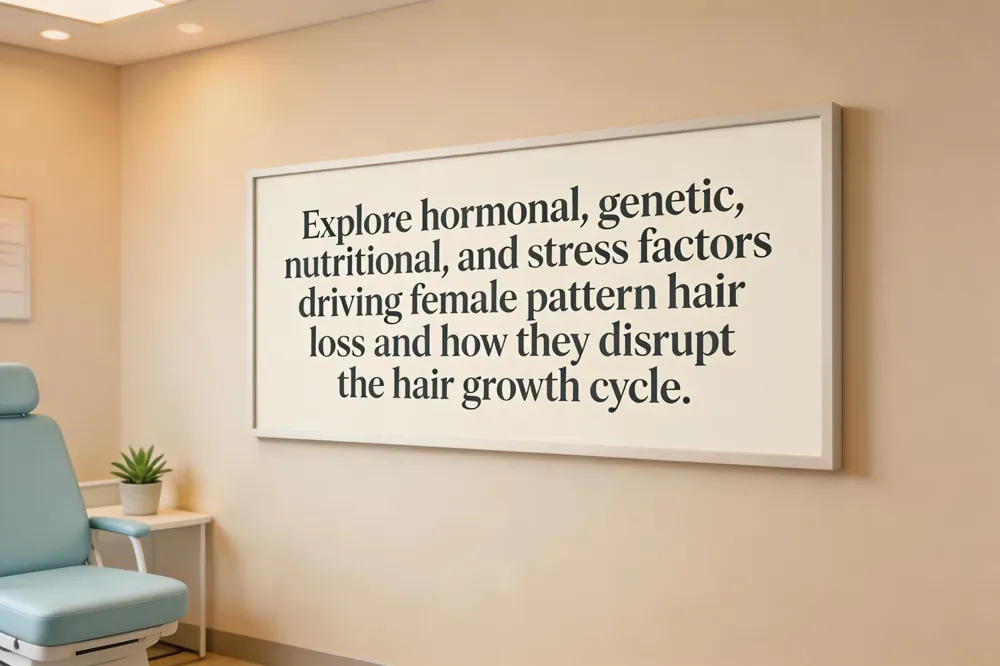 Female pattern hair loss (FPHL) is driven by factors. Hormonal changes—particularly a decline in estrogen after pregnancy, birth‑control use, or perimenopause—alter the anagen‑telogen balance, while dihydrotestosterone (DHT) miniaturizes follicles. Genetic predisposition determines how strongly a woman’s follicles respond to DHT, making some women experience early thinning. Nutritional gaps, iron vitamin D, and zinc, impair keratin synthesis and scalp vascularity, and thyroid disorders (hyper‑ or hypothyroidism) further disrupt the hair cycle. Chronic stress triggers telogen effluvium, pushing many follicles into the shedding phase.
Why are millennial women losing their hair? Early‑onset loss reflects hormonal shifts, stress, restrictive diets and genetic sensitivity that accelerate DHT‑mediated miniaturization. Which hormone causes hair loss in females? DHT is the primary androgen that shortens the growth phase, while estrogen loss removes its protective effect; thyroid hormones also influence shedding. Female hair loss frontal hairline? The frontal zone often thins from the same hormonal and stress mechanisms; a regimen combining 5 % minoxidil foam, quarterly PRP injections, and low‑level laser therapy can restore density while addressing endocrine and nutritional factors.
First‑Line Pharmacologic Therapies for Women
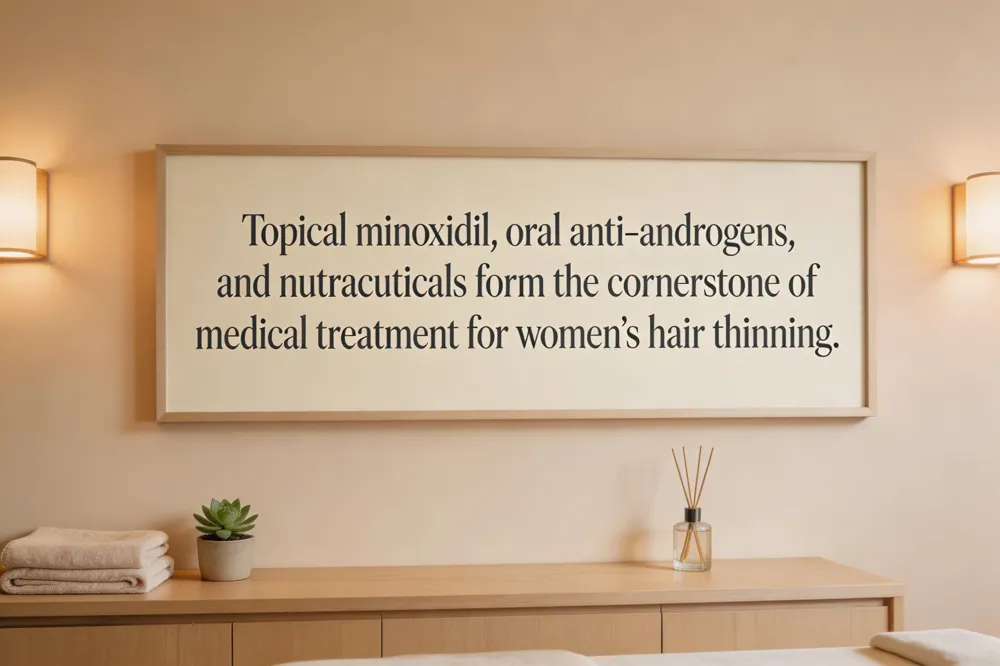 Topical minoxidil (2 % or 5 %) is the only FDA‑approved over‑the‑counter drug for female pattern hair loss and should be used twice daily for at least six months before evaluating regrowth. Oral anti‑androgens such as spironolactone (50–200 mg daily) block androgen receptors and are first‑line for driven thinning; dutasteride is sometimes prescribed off‑label. Finasteride, although approved for men, is used off‑label in post‑menopausal women at low doses (2.5–5 mg) to lower scalp DHT. Adjunctive nutraceuticals—iron, biotin, vitamin D, zinc—correct deficiencies that exacerbate shedding, while low‑level laser therapy (LLLT) improves scalp microcirculation.
Best medicine for hair fall and regrowth female: minoxidil 2 % topical remains the cornerstone; when paired with PRP injections and adequate nutraceutical support, regrowth is faster and denser.
Female pattern hair loss treatment: start with minoxidil 2 % twice daily, add oral anti‑androgens, LLLT, PRP, and lifestyle measures for synergistic benefit.
Hair loss treatment for women dermatologist: after ruling out hormonal or nutritional causes, the dermatologist prescribes minoxidil, spironolactone or off‑label finasteride, and may offer PRP or LLLT as adjuncts, tailoring a plan.
Regenerative Medicine: Platelet‑Rich Plasma (PRP) for Hair
 PRP preparation and growth‑factor profile
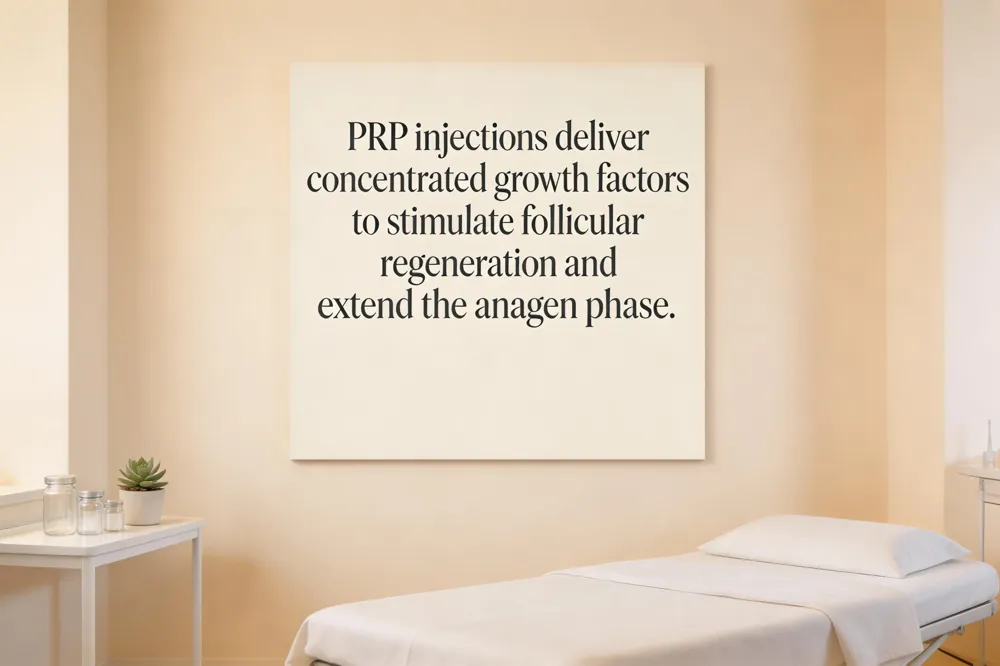
PRP is created by drawing the patient’s blood, centrifuging it to concentrate platelets (2‑6× baseline), and optionally activating them. The concentrate delivers growth factors such as PDGF, TGF‑β, VEGF, FGF‑2, IGF‑1 and EGF that promote angiogenesis, dermal‑papilla activation and prolong the anagen phase of hair follicles.
PRP preparation and growth‑factor profile
PRP is created by drawing the patient’s blood, centrifuging it to concentrate platelets (2‑6× baseline), and optionally activating them. The concentrate delivers growth factors such as PDGF, TGF‑β, VEGF, FGF‑2, IGF‑1 and EGF that promote angiogenesis, dermal‑papilla activation and prolong the anagen phase of hair follicles.
Typical treatment protocol A common regimen includes 3‑4 monthly injections spaced 4‑6 weeks apart, followed by maintenance sessions every 6‑12 months. Each session injects PRP into the thinning scalp regions; many clinicians combine microneedling or topical minoxidil to enhance penetration.
Evidence of efficacy in women with androgenetic alopecia Randomized controlled trials and meta‑analyses (total > 800 female participants) show PRP increases hair density by 15‑30% and thickness by 10‑20% after 3‑6 months, especially when paired with minoxidil or low‑level laser therapy (LLLT). Benefits are most robust in early‑to‑mid‑stage thinning.
Safety and side‑effect profile Because PRP is autologous, allergic reactions are rare. Reported adverse events are mild scalp pain, transient erythema, itching or bruising; serious complications are virtually absent. NSAIDs should be avoided briefly after injection to preserve platelet activity.
How to regrow thinning hair female
Begin with a daily 2 % minoxidil solution, add a 3‑4‑month PRP series (monthly), supplement with low‑level laser therapy (LLLT) 10‑15 min 2‑3 times/week, and ensure a nutrient‑rich diet (protein, iron, zinc, biotin). Manage stress for optimal results.
Best non‑surgical hair loss treatment for women
A multi‑modal, patient‑centered protocol—PRP injections, low‑level laser therapy (LLLT), and 2 % minoxidil—addresses follicular regeneration, scalp circulation and hormonal/min nutritional factors, delivering visible thickening within 3‑6 months without surgery.
Best non‑surgical hair loss treatment
For broader populations, the most consistently effective approach combines topical minoxidil with regenerative modalities (PRP, low‑level laser therapy (LLLT)) and, when appropriate, oral anti‑androgens; microneedling further amplifies drug delivery.
Light‑Based and Microneedling Technologies
 Best women hair restoration options Start with FDA‑approved 2 % minoxidil applied twice daily; it prolongs the anagen phase and is safe long‑term. Add platelet‑rich plasma (PRP) injections—autologous growth‑factor bursts that reactivate dormant follicles and improve scalp health. Low‑level laser therapy (LLLT) devices—caps, combs, helmets—are FDA‑cleared; use 10‑15 minutes, 2‑3 times weekly for 3‑6 months to boost cellular metabolism and increase hair density.
Best non‑surgical hair loss treatment for women A synergistic protocol pairs PRP (3‑4 monthly sessions, then maintenance every 6‑12 months) with Low‑level laser therapy (LLLT) and 2 % minoxidil; microneedling at 0.5‑1.0 mm depth creates micro‑channels that enhance minoxidil and PRP penetration.
Best hair transplant alternatives for women microneedling combined with topical minoxidil and PRP yields greater regrowth than any single modality. Emerging Trans‑Epidermal Delivery (TED) uses micro‑channels to transport peptide complexes or other actives directly into the follicle niche, further amplifying therapeutic effects without surgery. Complement these with iron‑rich diet, biotin, and stress‑reduction for optimal, patient‑centered outcomes.
Nutritional, Lifestyle, and Home‑Remedy Support
 Iron, vitamin D, zinc, biotin supplementation – Deficiencies in iron, vitamin D, zinc and biotin are common contributors to female hair thinning. Blood tests to ferritin, 25‑OH vitamin D and zinc levels guide targeted supplementation, which can improve density when a deficiency is documented ( Mayo Clinic, Harvard Health ).
Protein‑rich diet and scalp‑friendly hair care – Adequate protein, iron‑rich foods (red meat, legumes), and biotin‑rich sources (eggs, nuts) support keratin production. Gentle, sulfate‑free shampoos and avoiding excessive heat or tight hairstyles reduce mechanical stress on fragile follicles ( Mayo Clinic, GoodRx ).
Stress‑reduction techniques (sleep, yoga, mindfulness) – Chronic stress triggers telogen effluvium; regular sleep, yoga, and mindfulness meditation help normalize the hair cycle and reduce shedding ( NPR, Cleveland Clinic ).
Topical home remedies (rosemary oil, pumpkin seed oil, scalp massage) – Rosemary oil and pumpkin seed oil have been reported to improve scalp circulation and may augment minoxidil efficacy. Daily scalp massage stimulates blood flow and can be combined with these oils for a low‑cost adjunct ( American Hair Loss Association, WebMD ).
Best treatment for postmenopausal hair loss – Hormone‑replacement therapy (when appropriate) plus daily 5 % minoxidil and a series of PRP injections offers the most robust regrowth, often within 3‑6 months. Nutraceuticals such as Nutrafol Women’s Balance add botanicals that address oxidative stress ( GoodRx.
Best hair loss treatment for female home remedy – Consistent use of rosemary oil, pumpkin seed oil, and regular scalp massage supports circulation and can boost Minoxidil results ( American Hair Loss Association.
Cheaper alternatives to hair transplant – Over‑the‑counter minoxidil, low‑level laser therapy devices, at‑home microneedling with growth‑factor serums, and inexpensive nutritional support (iron, biotin) provide effective, non‑surgical options at a fraction of surgical cost ( GoodRx, WebMD.
Cosmetic,‑Surgical Options and Cost Considerations
 Scalp Micropigmentation (SMP) – Technique & Benefits
SMP is a cosmetic tattoo that deposits tiny pigment dots into the superficial scalp to mimic the look of hair follicles, creating a dense‑stubble illusion for thinning areas, surgical scars, or shaved heads. Modern trichopigmentation uses specialized pigments and equipment to avoid the Tyndall effect, delivering a natural, low‑maintenance appearance without surgery.
Wigs, Hair Systems & Styling
Custom wigs and semi‑permanent hair systems provide immediate coverage. They can be tailored to match hair texture, color, and style, and are especially useful for extensive loss or when other therapies are insufficient. Proper fitting and regular care prolong wear and comfort.
Cost Ranges for Non‑Surgical Modalities
- PRP: $500‑$1,500 per session (3‑4 sessions for initial results).
- Low‑Level Laser Therapy (LLLT): $200‑$500 for home caps/combs; clinical sessions may be $150‑$300 each.
- SMP: $500‑$1,500 for a full scalp treatment.
- Microneedling: $200‑$400 for kits; professional sessions $150‑$300.
A comprehensive plan typically totals $1,000‑$4,000 depending on combinations and provider location.
Insurance, HSAs/FSA Eligibility
Most non‑surgical hair‑restoration procedures are classified as cosmetic and are not covered by Medicare or private insurers. However, when hair loss is linked to a documented medical condition (e.g., iron‑deficiency anemia, alopecia areata), a physician’s letter of medical necessity may allow HSAs/FSA to cover treatments such as PRP, LLLT, or prescription minoxidil. Cosmetic items like wigs and SMP remain in‑eligible.
Frequently Asked Questions
- Scalp Micropigmentation: Provides a realistic “stubble” look, non‑invasive, and low‑maintenance.
- Non‑Surgical Hair Transplant Cost: PRP $500‑$1,500/session; LLLT: $200‑$500; SMP $500‑$1,500; microneedling: $200‑$400.
- Alternative to Hair Transplant for Women: Topical minoxidil, PRP, LLLT, microneedling, and SMP offer effective, surgery‑free options.
Putting It All Together: Personalized, Patient‑Centered Plans
 A true patient‑centered regimen for women blends pharmacologic, regenerative, and cosmetic tools. First‑line therapy is topical minoxidil (2–5 % or higher) applied twice daily, often paired with low‑level laser therapy (LLLT) and periodic microneedling to boost drug penetration. Autologous PRP injections—usually three monthly sessions followed by 4–6‑month boosters—add growth‑factor stimulation and can increase density 30–50 % in 3–6 months. Oral anti‑androgens (spironolactone, low‑dose oral minoxidil, or bicalutamide under specialist supervision) are reserved for androgen‑driven loss. Throughout treatment, clinicians monitor scalp photographs, hair‑count metrics, and laboratory values (iron, thyroid, hormones) to adjust dosage or add agents such as ketoconazole shampoo. Realistic timelines are essential: visible regrowth often starts at 3 months, with maximal benefit by 12 months; discontinuation leads to reversal. When thinning is stable, donor hair is adequate, and nonsurgical options no longer sustain density, surgical transplantation (FUE or FUT) becomes the permanent solution. Non‑surgical alternatives—PRP, LLLT, microneedling, scalp micropigmentation, and lifestyle optimization—remain valuable for patients seeking less invasive, cost‑effective restoration.
Cost, Insurance, and Finding the Right Provider
 Typical price ranges
- Platelet‑Rich Plasma (PRP): $500‑$1,500 per session; most patients need 3‑4 sessions plus maintenance every 6‑12 months.
- Low‑Level Laser Therapy (LLLT): home caps/combs $200‑$500; professional helmets $800‑$2,000.
- Scalp Micropigmentation (SMP): $500‑$1,500 for a full‑scalp illusion, with touch‑ups every 3‑5 years.
- Microneedling: at‑home kits $200‑$400; in‑office sessions $150‑$300 each.
Insurance and HSA/FSA Most insurers treat hair‑restoration as cosmetic, so PRP, LLLT, and SMP are generally not covered. Medical‑necessity letters may enable reimbursement for PRP when hair loss is linked to an underlying condition (e.g., thyroid disease). HSAs/FSA can pay for these therapies only when a qualified diagnosis is documented; purely cosmetic purchases such as over‑the‑counter minoxidil are ineligible.
Choosing a practitioner Select a board‑certified dermatologist, trichologist, or plastic surgeon with specific training in regenerative hair medicine. Verify credentials, ask about the number of PRP or LLLT procedures performed, and confirm that the clinic follows sterile protocols.
Diagnostic work‑up A thorough evaluation—physical exam, medical and family history, and blood tests for iron, thyroid, and hormone levels—ensures that reversible causes are addressed before initiating any non‑surgical treatment.
Best hair‑transplant alternatives PRP, LLLT, Microneedling, SMP, and topical minoxidil (often combined with anti‑androgens) are evidence‑based, minimally invasive options.
Non‑surgical cost A comprehensive plan typically totals $1,000‑$4,000, depending on modality mix and provider location.
Finding care near you Seek board‑certified dermatology or regenerative‑medicine clinics offering PRP, LLLT, or Microneedling; verify reviews and schedule a consultation to tailor a non‑surgical regimen.
A Conservative, Regenerative Future for Women’s Hair
Women experiencing thinning hair should first undergo a comprehensive evaluation—medical history, scalp examination, and targeted labs—to rule out hormonal, nutritional, or autoimmune causes. A patient‑centered approach prioritizes non‑surgical options that respect individual goals and minimize downtime. Regenerative therapies such as autologous platelet‑rich plasma, low‑level laser devices, and microneedling stimulate the body’s own healing pathways, offering measurable density gains while preserving donor hair. By combining these minimally invasive modalities with lifestyle optimization, clinicians can often achieve lasting results without the risks, cost, or scarring associated with surgical transplantation.