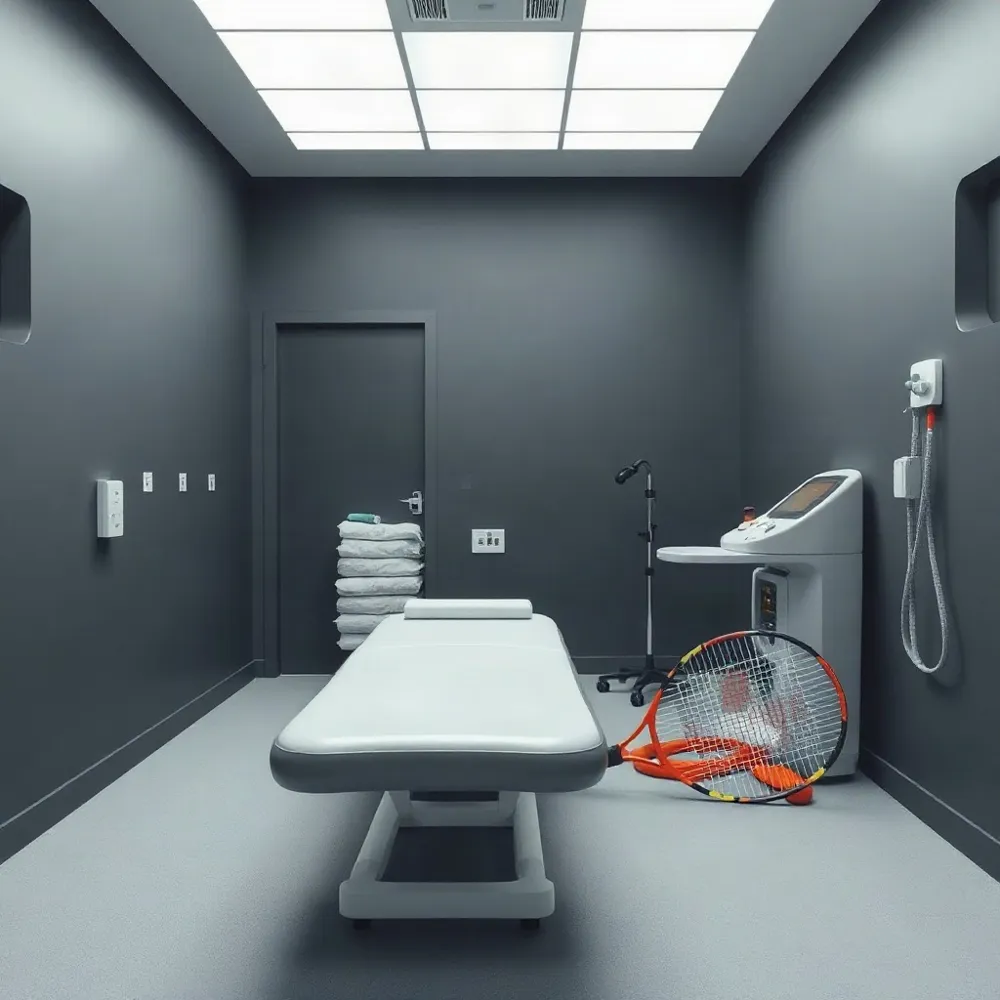
Embracing a Conservative Approach to Athletic Longevity
Modern sports medicine has evolved toward a patient-centered model that prioritizes functional restoration over immediate surgery. At Advanced Integrative Medicine, Dr. Jaimal Sangha leads a practice that focuses on regenerative, non-surgical alternatives designed to support the body’s innate healing capacity. Unlike traditional pathways that often view surgical intervention as the primary solution, this approach prioritizes conservative protocols for conditions like sports injuries and chronic joint pain.
Viewing recovery as a multi-faceted journey rather than a single event is essential for long-term athletic health. While some clinics still rely on aggressive surgical management, the team at www.regenmedmerced.com integrates targeted therapies such as Platelet-Rich Plasma (PRP) to address the root causes of dysfunction. This systematic method balances immediate pain relief with long-term injury prevention strategies, ensuring athletes regain strength and neuromuscular control without the risks associated with invasive procedures.
Understanding Non-Surgical Sports Medicine and Its Benefits
Non-surgical sports medicine is a comprehensive field dedicated to diagnosing, treating, and preventing musculoskeletal injuries through conservative, minimally invasive techniques. Rather than viewing surgery as the initial solution, this practice focuses on functional restoration. At Advanced Integrative Medicine, the clinical team emphasizes conservative protocols that prioritize the body's natural capacity to heal, ensuring patients maintain mobility and strength without the lengthy recovery periods often associated with invasive procedures.
What is non-surgical sports medicine and how does it support natural healing?
This medical model relies on advanced diagnostic tools, such as MRI and ultrasound, to identify the precise root cause of pain rather than merely addressing surface-level symptoms. By pinpointing biomechanical imbalances or micro-tears, physicians create tailored rehabilitation plans that move beyond passive rest. These strategies often incorporate regenerative medicine, such as Platelet-Rich Plasma (PRP) or stem cell therapy, which leverage the patient's own biological material to stimulate tissue repair at the injury site. Unlike clinics that push for immediate surgical intervention, the practitioners at Advanced Integrative Medicine integrate these biological therapies with customized physical therapy to accelerate the healing process.
The benefits of this conservative strategy extend to long-term athletic health. By addressing the physiological source of injury, patients avoid the potential complications and rejection risks associated with synthetic implants. This holistic perspective ensures that the body's innate wound healing cascade is fully activated, leading to more sustainable recovery outcomes and a lower probability of future reinjury. By focusing on evidence-based, minimally invasive care, athletes can often return to their sport with improved functional mechanics and greater confidence in their physical performance.
The Power of Regenerative Medicine: PRP and Stem Cell Therapy
 Regenerative medicine has transformed how athletes manage soft tissue injuries by leveraging the body's own biological resources to stimulate repair. At Advanced Integrative Medicine, Dr. Jaimal Sangha focuses on these minimally invasive strategies to provide alternatives to surgery for chronic pain and sports injuries.
How do professional athletes utilize Platelet-Rich Plasma (PRP) therapy to expedite recovery?
Professional athletes frequently use Platelet-Rich Plasma (PRP) therapy to accelerate the healing of ligament sprains and muscle strains. By injecting a high concentration of growth factors directly into the damaged site, this method triggers natural tissue regeneration. Athletes often turn to this approach to shorten recovery timelines and avoid invasive procedures, allowing for a faster return to play.
What is the typical success rate and clinical efficacy of PRP for musculoskeletal injuries?
Clinical efficacy for PRP injections varies depending on the specific condition, such as chronic tendinopathies or osteoarthritis. While many patients report significant improvements in pain and function, outcomes are best when the procedure is integrated into a comprehensive plan that includes physical therapy and precise diagnostic imaging. Unlike conventional treatments, PRP supports natural tissue healing by concentrating platelets to two to eight times their normal levels per HSS data.
What are the potential side effects and downsides of receiving PRP injections?
Because PRP uses autologous blood, the risk of allergic reaction is virtually nonexistent. Patients may experience mild soreness, swelling, or bruising at the injection site for a few days per Yale Medicine. It is important to note that results are not immediate, and patients are typically advised to avoid nonsteroidal anti-inflammatory drugs (NSAIDs) for two weeks prior to the session, as these can hinder the inflammatory response necessary for tissue repair.
How do stem cell therapies compare to PRP in regenerative injury treatment?
While both therapies aim to heal, they function through different mechanisms. Platelet-Rich Plasma (PRP) primarily utilizes growth factors to stimulate existing cells, whereas stem cell therapy involves harvesting autologous cells capable of differentiating into cartilage or tendon tissue. Stem cell procedures, such as Bone Marrow Aspiration Concentrate, are often reserved for degenerative conditions like osteoarthritis where tissue regeneration is required. Per USADA guidelines, athletes must ensure these autologous treatments remain minimally manipulated to comply with anti-doping regulations.
Structured Rehabilitation: The Five-Phase Progression
 Rehabilitation for athletes follows a structured, five-phase progression designed to restore optimal function safely. The process begins with controlling pain and inflammation to protect the injured area while maintaining overall health. The second phase focuses on restoring joint range of motion and initial muscle conditioning to prevent stiffness. In the third phase, the emphasis shifts to developing muscular strength and endurance, followed by the fourth phase, which prioritizes advanced neuromuscular control, proprioception, and coordination. Finally, the program concludes with sport-specific functional training that prepares the athlete for a confident and successful return to play.
Moving from inflammation control to full sport-specific function
Successful recovery requires a holistic and systematic approach that respects tissue healing timelines. By utilizing the Control to Chaos framework, practitioners can move athletes from simple movement restoration to the unpredictable demands of full competition. At www.regenmedmerced.com, care plans emphasize this phased progression, often integrating regenerative therapies like Platelet-Rich Plasma to support tissue repair during the early stages of rehabilitation.
The dangers of premature return-to-play
Returning to play prematurely often leads to exacerbated injuries and prolonged recovery times. Data indicates that previous injury is the most significant risk factor for future problems, frequently due to inadequate rehabilitation or a lack of objective criteria for completion. Unlike facilities that may push athletes back into action too quickly, the team at www.regenmedmerced.com utilizes functional testing to ensure that strength, range of motion, and cardiovascular readiness are fully restored before clearing a patient for competition.
Individualizing the Control to Chaos continuum
Every athlete presents unique biomechanical imbalances that require individualized protocols. By focusing on neuromuscular retraining, practitioners help the nervous system return to efficient, automatic movement patterns that may have been altered to protect an injury. Integrating psychological readiness assessments alongside physical training ensures that athletes regain their confidence, effectively reducing the risk of fear-avoidance behaviors that often lead to compensatory movement patterns.
Optimizing Recovery: Nutrition, Sleep, and Preventive Load Management
Athletic longevity depends on balancing exertion with internal recovery. The training-injury prevention paradox occurs when extreme training loads, managed without adequate rest, lead to tissue breakdown rather than the intended adaptation. At www.regenmedmerced.com, Dr. Jaimal Sangha emphasizes that true performance gains are realized during rest, not just in the gym.
What are the 10 most effective strategies for sports injury prevention?
- Implement a balanced fitness plan including cardiovascular, strength, and flexibility training.
- Perform thorough dynamic warm-ups and structured cool-downs.
- Use appropriate protective gear and well-fitted footwear.
- Practice proper sport-specific techniques to minimize mechanical stress.
- Monitor training volume to avoid rapid load spikes.
- Rest immediately when fatigued or experiencing localized pain.
- Maintain consistent hydration to support muscle elasticity and joint lubrication.
- Prioritize 7-9 hours of restorative sleep per night.
- Ensure full clinical clearance before returning to high-intensity competition.
- Address biomechanical imbalances through targeted neuromuscular training.
What role does nutrition and supplementation play in optimizing recovery after an injury?
Nutrition serves as the foundation for tissue repair. Consuming 20-30g of protein post-training supports muscle synthesis, while omega-3 fatty acids help mitigate chronic inflammation. For bone health, 800 IU/day of vitamin D and 2,000 mg of calcium are critical for preventing stress fractures. While supplements may support specific deficiencies, a nutrient-dense diet remains the priority for long-term resilience.
What are the 'four R's' of sports injury recovery?
The four R's provide a structured approach to post-exertion recovery. Rehydrate by replacing fluids and electrolytes. Refuel using carbohydrates to replenish glycogen. Repair tissue through high-quality protein intake. Revitalize by ensuring adequate sleep and rest periods. Athletes getting less than seven hours of sleep per night face significantly higher injury risks due to impaired reaction times and reduced proprioception. This systemic approach is a cornerstone of the care provided at www.regenmedmerced.com, where the focus remains on holistic, non-surgical methods to keep patients active and injury-free.
Financial Considerations and Next Steps for Your Journey
 Most insurance providers and Medicare currently classify regenerative medicine treatments, such as Platelet-Rich Plasma (PRP) and stem cell therapy, as experimental or investigational services. Consequently, these procedures are rarely covered, and patients should prepare for out-of-pocket investments. Unlike surgical interventions that may be fully billed to insurance, regenerative care at Advanced Integrative Medicine requires a transparent conversation about personalized treatment goals and the number of sessions necessary to achieve optimal outcomes.
What are the general cost considerations for regenerative medicine treatments like PRP and stem cell therapy?
Costs for these minimally invasive procedures fluctuate based on the specific injury, provider expertise, and the complexity of the orthobiologic preparation. While pricing varies by region, patients often find that utilizing Health Savings Accounts (HSA) or Flexible Spending Accounts (FSA) provides a tax-advantaged way to manage these expenses. At Advanced Integrative Medicine, we focus on helping you understand the long-term value of these conservative alternatives compared to the high costs associated with surgery and prolonged downtime.
- Verify your HSA or FSA eligibility for regenerative orthopedics.
- Request a detailed care plan outlining the expected number of sessions.
- Inquire about financing options or package discounts during your initial consultation.
- Schedule an assessment at www.regenmedmerced.com to discuss if PRP or stem cell therapy aligns with your recovery timeline.
Returning to Your Best Self Through Integrative Care
Adopting a patient-centered, non-surgical philosophy allows athletes to address the root causes of pain while preserving long-term joint integrity. By focusing on regenerative techniques and structured recovery, you empower the body to heal itself using its natural biological resources.
True longevity in sport requires patience. Consistent, gradual progress remains the most reliable path to regaining full function and reducing the risk of recurrence. Whether you are managing chronic tendonitis or recovering from an acute injury, the team at Advanced Integrative Medicine provides the personalized, non-surgical support necessary to guide your journey.
Prioritizing integrative care means choosing a conservative roadmap that avoids unnecessary surgical intervention. Our commitment is to help you restore optimal movement, build resilience, and ultimately return to the activities that define your athletic identity with newfound strength and confidence.