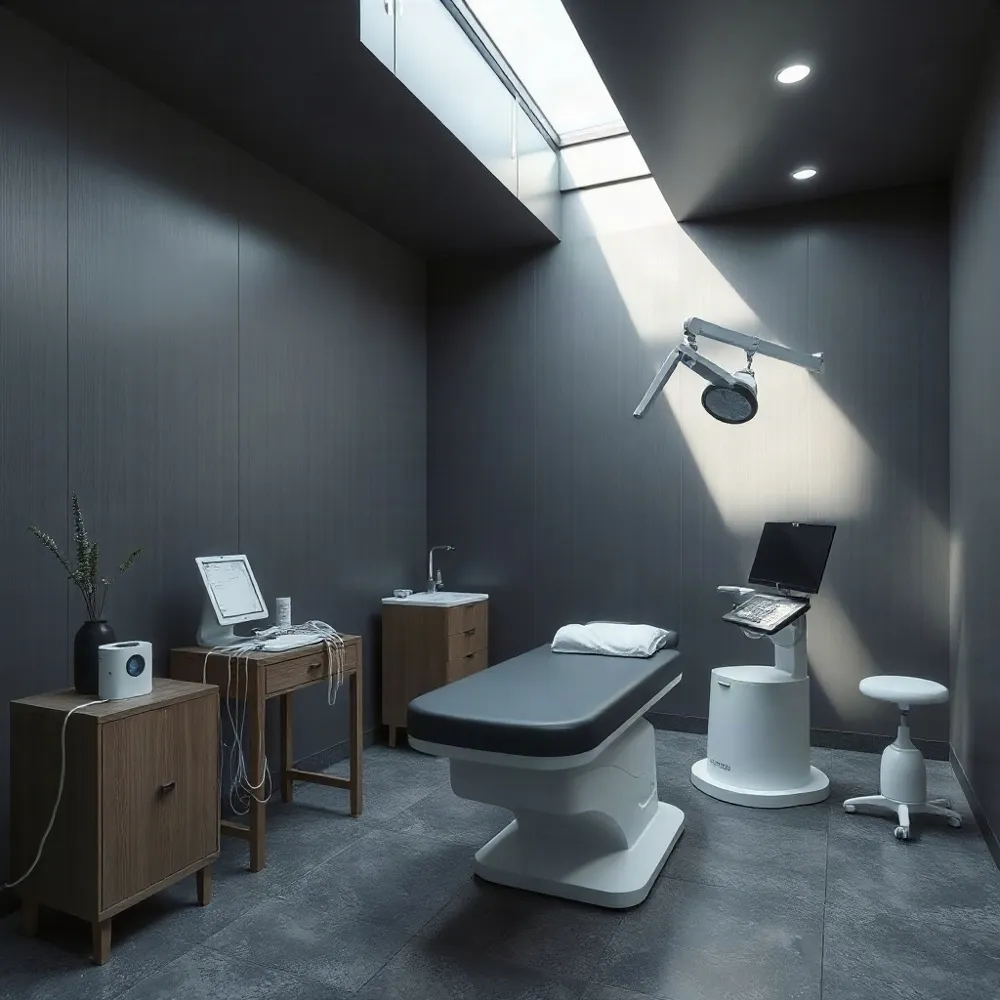
Redefining Skin Rejuvenation Without Surgery
Microneedling serves as a cornerstone of modern regenerative medicine by offering a non-surgical alternative to achieve smoother, firmer skin. This minimally invasive dermatological procedure uses fine needles to create precise, controlled micro-injuries within the skin. By intentionally triggering the body’s innate wound-healing response, the treatment stimulates the production of collagen and elastin, which are essential proteins for structural support.
At Advanced Integrative Medicine, we focus on these biological processes to encourage natural dermal remodeling rather than relying on invasive surgical interventions. Instead of the potentially abrasive techniques used by some practitioners, our conservative approach prioritizes patient-centered healing. This method effectively targets texture concerns, such as fine lines and scars, while aligning with the body’s inherent capacity to repair itself for lasting, visible radiance.
Understanding Regenerative Microneedling
 Regenerative microneedling represents an evolution in skin therapy, moving beyond the simple mechanical stimulation of standard microneedling. While conventional devices create controlled micro-injuries to trigger the body's natural collagen and elastin response, this advanced approach integrates potent regenerative agents to amplify the underlying biology of skin repair.
At Advanced Integrative Medicine, we distinguish our regenerative protocols by pairing precision needle depths with concentrated biomolecules, such as PDGF or platelet-derived growth factors. This combination offers deeper biological engagement than the basic exfoliation or superficial injury associated with standardized procedures. By introducing these growth factors directly into the skin's micro-channels, the treatment accelerates healing and promotes significant structural improvements in skin quality.
This targeted methodology is particularly effective for addressing persistent concerns like chronic acne scars, deep-set textural irregularities, and signs of aging. Unlike generic skin resurfacing that relies solely on tissue injury, our approach at www.regenmedmerced.com utilizes the body's own signaling pathways to drive consistent tissue regeneration. By focusing on site-specific repair, we achieve long-term outcomes while avoiding the risks inherent in heat-based, ablative laser technologies.
What is regenerative microneedling? This procedure serves as an advanced dermatological intervention that elevates standard practices by incorporating specialized solutions packed with growth factors. These agents provide the essential building blocks for tissue engineering, ensuring that the body has the necessary proteins to perform high-quality remodeling. By creating this synergistic environment, patients experience a more profound rejuvenation than that offered by traditional, non-augmented techniques.
Core Benefits: Texture, Scarring, and Laxity
 At Advanced Integrative Medicine, we emphasize a conservative approach to skin rejuvenation that centers on the body's natural capacity for repair. Microneedling, frequently called collagen induction therapy, operates by creating precise micro-injuries in the skin, which forces a dermal remodeling response. This process is documented to yield up to a 400% increase in collagen and elastin levels several months after a consistent treatment series concludes.
This stimulation effectively remodels existing acne scars, surgical scars, and stretch marks into smoother, more uniform tissue. Beyond surface-level repair, the firming effect on the dermis significantly reduces the visibility of fine lines, wrinkles, and skin laxity. Because the procedure helps plump the skin, it often results in tighter pores and a more balanced overall tone.
A distinct advantage of this method is the creation of micro-channels that allow active ingredients, such as hyaluronic acid or concentrated Vitamin C, to penetrate far more deeply than traditional topical applications. While some clinics rely on high-heat laser platforms that carry a higher risk of pigment changes, our approach at Advanced Integrative Medicine utilizes controlled physical stimulation. This provides a safe, highly effective pathway for those seeking to restore volume and texture without the downtime associated with surgery.
Microneedling vs. Chemical Peels for Texture
Correcting textural irregularities requires an understanding of how different professional treatments interact with the skin. While both methods aim to rejuvenate the complexion, they operate through distinct physiological pathways.
How do chemical peels compare to microneedling for correcting skin texture?
Chemical peels utilize topical acids to strip away the outer surface layers of the skin. This approach is effective for addressing superficial roughness and improving overall tone. Conversely, microneedling rebuilds skin structure from within by using sterile, fine needles to induce controlled micro-injuries. This mechanical process triggers the body to synthesize new collagen and elastin, making it a superior choice for deeper issues such as acne scars and pockmarks that reside beneath the surface.
Safety profiles also vary between these modalities. Chemical peels carry a higher risk of exacerbating hyperpigmentation, particularly in patients with darker skin tones, due to the inflammatory response triggered by harsh acids. Because microneedling avoids the heat and aggressive chemical agents found in some exfoliation methods, it is considered a safer, more versatile option for individuals across all Fitzpatrick skin types.
At Advanced Integrative Medicine, we often find that a comprehensive plan can incorporate both approaches sequentially to maximize benefits. By identifying whether your primary concern is surface-level pigment or deeper structural laxity, our clinical team designs a restorative strategy tailored to your specific goals. While peels clear the path through surface exfoliation, microneedling provides the regenerative stimulus necessary for long-term health.
RF Microneedling: Risks vs. Conservative Approach
Radiofrequency (RF) microneedling introduces thermal injury to deeper tissue, a distinct departure from the mechanical stimulation of standard procedures. While this heat is intended to tighten skin, it carries unique risks, including potential burns, scarring, and nerve damage. Misapplication of thermal energy can lead to the unintended loss of subcutaneous fat, which may result in contour irregularities or a gaunt appearance. The U.S. Food and Drug Administration (FDA) has highlighted these complications, noting that heating deeper structures like fat or nerves can cause lasting damage.
What are the potential risks and side effects of RF (radiofrequency) microneedling?
The risks associated with thermal energy contrast sharply with the profile of standard microneedling. Our practice at Advanced Integrative Medicine prioritizes a conservative approach, focusing on natural tissue remodeling without the added danger of heat injury. Standard treatments avoid the thermal risks of RF, making them inherently safer for a wider range of skin tones and reducing the possibility of permanent vascular or fatty tissue damage. By relying on the body’s innate healing cascades, we focus on safe, effective regeneration that supports long-term skin health instead of relying on aggressive energy-based devices.
Treatment Frequency and Expected Results

What is the recommended treatment frequency for professional microneedling?
Achieving the best results with professional microneedling requires a consistent, series-based approach. Most patients see the best outcomes from a program of 3 to 4 sessions, spaced 4 to 6 weeks apart, which provides the skin enough time to complete its natural regeneration cycle between visits. Because individual needs vary based on age and specific skin concerns, there is no one-size-fits-all schedule. At Advanced Integrative Medicine, we prefer to create a customized treatment plan that aligns with your specific goals, ensuring you receive the appropriate number of sessions for your unique skin type.
How long does it typically take to see visible results from a microneedling treatment?
While you might notice a subtle glow in the first few days post-procedure, the genuine transformation occurs deep within the dermis. Significant improvements to skin texture and firmness usually appear between 4 and 6 weeks after your session, per Cleveland Clinic data. Because this process relies on stimulating your body to repair its own extracellular matrix, full results often continue maturing over a 3 to 6-month period.
- Commit to 1 to 2 maintenance sessions per year after your initial series to sustain the structural gains.
- Prepare your skin by avoiding retinoids, exfoliants, and blood-thinning medications for at least one week prior to your appointment.
- Ensure the health of your results by strictly avoiding active acne during treatment and protecting your skin with SPF 30+ daily.
Enhanced Regenerative Potential: PRP and Exosomes
At Advanced Integrative Medicine, we optimize results by combining microneedling with advanced biological therapies. Integrating Platelet-Rich Plasma (PRP) sourced from a patient's own blood introduces high concentrations of growth factors that significantly accelerate collagen synthesis and tissue repair compared to the mechanical stimulation of microneedling alone.
Exosomes are gaining prominence as cell-free messengers within the field of regenerative medicine. By delivering bioactive molecules into the micro-channels created during treatment, these substances promote intense regeneration, decrease inflammation, and support healthy remodeling without the complications associated with cell-based therapies. These versatile channels also facilitate the delivery of therapeutics for medical concerns such as alopecia (hair loss) and hyperhidrosis.
Achieving maximum restorative outcomes relies on a structured protocol. Many patients benefit from preparing the skin with Vitamin A or C creams for one month prior to their session to prime collagen production. Post-procedure, applying hyaluronic acid directly into the newly opened pathways helps maintain hydration and supports the rapid development of a resilient skin barrier.
Embrace Natural Healing for Lasting Skin Health
Professional microneedling serves as a potent, non-surgical tool by leveraging the body's inherent capacity for dermal remodeling. At Advanced Integrative Medicine, we prioritize this conservative, patient-centered approach to help patients achieve firm, rejuvenated skin without the risks associated with invasive surgery.
Because every individual has unique needs, we encourage you to consult with a qualified provider to develop a personalized treatment plan. Whether you are addressing acne scars or fine lines, targeting these concerns through collagen induction therapy supports lasting skin health through natural, biological repair.