A New Era in Aesthetic Care
The field of aesthetic medicine is undergoing a fundamental shift. Patients are increasingly choosing treatments that work with the body’s natural biology rather than against it, moving away from invasive surgical procedures toward minimally invasive, regenerative alternatives. This change reflects a broader cultural preference for subtle, natural-looking results and shorter recovery times.
Market data confirms this trend. The global minimally invasive cosmetic procedures market was valued at $6.39 billion in 2024 and is expected to reach $14.99 billion by 2035, driven by technological advances and growing consumer demand for non-surgical options. In 2023 alone, over 9 million neuromodulator injections and 5 million hyaluronic acid filler procedures were performed in the United States.
Understanding Minimally Invasive Aesthetics
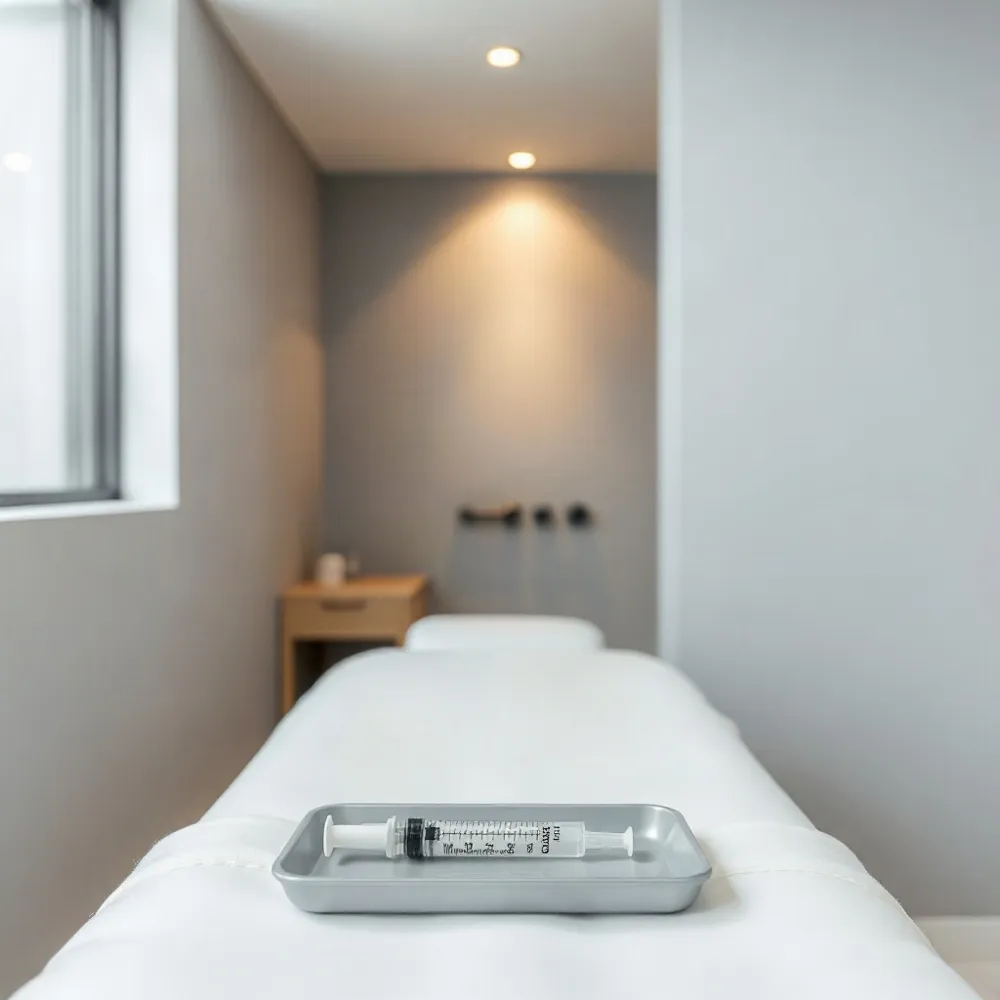 The distinction between non-invasive and minimally invasive procedures comes down to whether the skin barrier is broken. Non-invasive treatments, such as physical therapy, topical creams, and cognitive behavioral techniques, work entirely from the outside. They carry virtually no risk of infection or tissue damage and are often tried first for mild to moderate conditions. Minimally invasive procedures, including PRP injections and nerve blocks, involve small incisions or needle insertions to deliver therapy directly to the target area.
Minimally invasive pain management occupies a strategic middle ground between conservative care and surgery. These outpatient procedures use image-guided precision to treat the source of pain while reducing recovery time and risk compared to open operations. At Advanced Integrative Medicine, Dr. Jaimal Sangha applies this same principle by using PRP injections and other regenerative therapies to address both pain and aesthetic concerns without the trauma of surgery.
Non-Invasive vs. Minimally Invasive: A Spectrum of Care
Non-Invasive. Treatments that do not penetrate the skin. Examples include physical therapy, topical medications, and lifestyle counseling. These methods carry near-zero infection risk and no tissue damage, making them ideal first-line approaches for mild to moderate issues.
Minimally Invasive. Procedures that use small incisions or needle insertions to deliver therapy directly to the target site. Nerve blocks, PRP injections, and radiofrequency ablation fall into this category. They offer faster recovery than surgery with infection rates below 1%, compared with 2–4% for many surgical procedures.
Surgical. Open procedures requiring larger incisions, general anesthesia, and weeks of recovery. Reserved for structural problems like severe spinal instability or advanced joint damage that do not respond to less invasive care.
The benefits of the minimally invasive approach align directly with regenerative medicine principles. Because these procedures cause minimal trauma to surrounding tissues, the body's natural healing mechanisms remain active and can be amplified by therapies like PRP. A 2024 systematic review in the NIH database found that PRP treatment significantly improved collagen density and skin texture across multiple studies, with infection and complication rates remaining very low.
The choice between non-invasive and minimally invasive options depends on the condition's severity. Mild cases respond well to conservative measures, while more persistent or structural issues benefit from targeted injections or nerve blocks. At Advanced Integrative Medicine, Dr. Sangha evaluates each patient to determine the least invasive path that still delivers meaningful relief, often combining approaches for best results.
Top Non-Invasive Aesthetic Trends for 2026
The most popular treatments continue to be injectables like Botox and dermal fillers, which saw over 9 million and 5 million procedures respectively in 2023 according to the American Society of Plastic Surgeons. Advanced laser and light therapies, such as IPL photofacials, are widely used for improving skin tone. Skin rejuvenation procedures like microneedling with PRP and HydraFacials are also trending for collagen stimulation and skin tightening.
A major shift toward 'prejuvenation' is driving demand — younger patients now seek preventative maintenance rather than corrective treatments. Patients increasingly want 'undetectable' outcomes that enhance natural features without looking altered, aligning with the biological, regenerative approach offered at Advanced Integrative Medicine.
For a non-invasive lift, Ultherapy PRIME uses micro-focused ultrasound with real-time imaging for a personalized result, while Morpheus8 combines radiofrequency with microneedling to tighten skin and improve texture. Both treatments support the body's natural regenerative processes and produce gradual, noticeable improvement over several months.
Body contouring remains strong: cryolipolysis (fat freezing) and radiofrequency treatments help reduce fat and tighten skin without surgery. For patients considering these options, Advanced Integrative Medicine offers a patient-first approach to regenerative care, emphasizing natural recovery and minimal downtime — exactly the philosophy these trends embody.
PRP: A Cornerstone of Regenerative Aesthetics
 Platelet-rich plasma (PRP) is an autologous blood product that concentrates a patient's own growth factors to stimulate tissue repair and regeneration. The process involves drawing blood, spinning it in a centrifuge to separate the platelet-rich plasma from other blood components, and then injecting that concentrated solution into the target area. This growth factor cocktail contains hundreds of biologically active proteins, including platelet-derived growth factor (PDGF), vascular endothelial growth factor (VEGF), and transforming growth factor beta (TGFβ), which promote collagen synthesis, angiogenesis, and wound healing.
In aesthetic medicine, PRP has become a core modality for facial rejuvenation, hair restoration, and scar treatment. The American Academy of Dermatology notes that PRP aims to reduce wrinkles, plump sagging skin, and diminish acne scars. For hair loss, studies cited by PMC report mean increases of 18 to 27.7 hairs per cm² in treated areas. For pain management, Johns Hopkins Medicine explains that PRP injections can stimulate healing in chronic tendon injuries like tennis elbow or jumper’s knee, decrease pain, and enable a return to activities sooner. The practice at Advanced Integrative Medicine, led by Dr. Jaimal Sangha, applies PRP therapy for conditions including back pain and sports injuries, emphasizing a conservative, non-surgical approach.
PRP offers a favorable safety profile because it uses the patient’s own blood, minimizing the risk of allergic reactions or disease transmission. Common side effects are minor and temporary—pain, swelling, bruising, and redness at the injection site. Absolute contraindications include platelet dysfunction syndrome, critical thrombocytopenia, hemodynamic instability, and septicemia. The IADVL consensus statement, as reported by NIH, recommends 3–6 sessions at monthly intervals, with results appearing after 4–6 weeks. Evidence for facial rejuvenation supports a recommendation grade of 1/2A, meaning PRP is recommended for temporary, modest improvement of overall appearance, texture, and wrinkles in aged facial skin.
Combining PRP with other modalities like microneedling or fractional CO2 laser can produce synergistic effects. NIH reports that adding PRP to fractional CO2 laser treatment is associated with decreased erythema, swelling, and pain, and it significantly reduces healing time. PRP combined with microneedling intensifies the natural wound healing cascade, leveraging a high concentration of the patient’s own growth factors. For patients seeking natural-looking, gradual results, these combination protocols offer a powerful alternative to more invasive procedures. Dr. Jaimal Sangha and his team at Advanced Integrative Medicine routinely integrate these regenerative therapies into individualized care plans, supporting the body’s intrinsic healing processes for both aesthetic and pain management goals.
Beyond PRP: Exosomes, Stem Cells, and Nanofat
 Platelet-rich plasma (PRP) laid the foundation for regenerative aesthetics, but a new generation of biologics is expanding what non-surgical care can achieve. These advanced therapies work at a deeper cellular level, offering options for patients who want natural-looking results without synthetic fillers or surgery.
Exosomes: Cell-Free Cellular Communication
Exosomes are extracellular vesicles released by stem cells that carry nucleic acids, proteins, and signaling molecules. Unlike PRP or stem cell therapy, exosomes contain no live cells, which may reduce regulatory complexity and eliminate the need for blood processing at the time of treatment. In aesthetic medicine, exosomes are being used to activate intrinsic tissue repair mechanisms and stimulate collagen production. Currently, however, no exosome products are FDA-approved for aesthetic purposes, placing responsibility on physicians to verify the scientific credibility of any product they use.
PRF for Delicate Areas
Platelet-rich fibrin (PRF) is a derivative of PRP with a gel-like consistency that makes it ideal for treating delicate regions such as the undereye area and fine lines around the mouth. Because PRF releases growth factors more slowly, it may provide longer-lasting stimulation of collagen and elastin in these sensitive zones.
Nanofat and Adipose-Derived Stem Cells
Nanofat is a liquified adipose tissue that contains the stromal vascular fraction (SVF), a rich source of adipose-derived stem cells (ADSCs) and growth factors. When injected, it can improve skin quality, increase volume, and support angiogenesis and collagen remodeling. The result is a natural look compared to synthetic fillers, with effects lasting approximately 6 to 8 months. This technique is particularly useful for addressing facial volume loss and fine wrinkles without the appearance of over-correction.
Hair Follicle Stem Cell Banking
An emerging frontier in regenerative aesthetics is autologous hair follicle stem cell banking. Hair follicles contain diverse populations of stem cells that can be collected, banked, and later used for skin rejuvenation, hair growth stimulation, and tissue repair. Because stem cell viability decreases with age, harvesting and storing these cells earlier in life may create a lifelong resource for future treatments.
Navigating an Unregulated Landscape
A recurring theme across these advanced therapies is the gap between clinical promise and regulatory oversight. None of the exosome, nanofat, or hair follicle products discussed here are FDA-approved for aesthetic indications. Physicians must independently evaluate products through certificates of analysis, sterility reports, and published clinical data. At Advanced Integrative Medicine, Dr. Jaimal Sangha applies this same discipline, offering PRP and related regenerative treatments only when the evidence supports their safety and efficacy for each patient's specific needs.
Challenges and Evidence in Regenerative Medicine
The promise of regenerative aesthetics is tempered by a significant challenge: variability in outcomes. Because treatments like platelet-rich plasma (PRP) rely on a patient's own blood, preparation methods differ widely across clinics, leading to inconsistent results. One study found that different centrifugation protocols produced vastly different hair growth outcomes, ranging from a gain of +90 to a loss of –73 hairs per square centimeter.
Compounding this, regulatory oversight is fragmented. The FDA classifies the equipment used to produce PRP as a medical device, and the procedure itself is considered investigational for most aesthetic uses, meaning it is not formally FDA-approved for indications such as wrinkle reduction or skin rejuvenation. Physicians may administer it if they believe it benefits the patient, but the lack of approval means treatments may not be covered by insurance and requires providers to evaluate product quality carefully.
What the Evidence Shows
Despite the heterogeneity, a growing body of research supports PRP’s efficacy. The IADVL consensus statement gives PRP for facial rejuvenation a moderate recommendation (1/2A), noting temporary, modest improvements in skin texture and wrinkles. A controlled study reported an 89% improvement in collagen density with PRP compared to 46% with a saline control, indicating PRP is nearly twice as effective at stimulating collagen. In hair restoration, studies show consistent mean increases of 18 to 27.7 hairs per square centimeter.
Safety remains favorable. Because PRP is autologous, the risk of allergic reaction or disease transmission is very low. Common side effects are limited to temporary bruising, swelling, and redness. Serious complications are rare. Still, the field lacks standardized protocols for preparation, dosing, and treatment intervals, making it essential for patients to seek care from qualified, board-certified providers who can navigate the landscape and explain realistic expectations.
Managing Pain Beyond the Needle
For many patients, chronic pain is not just a physical sensation but a persistent condition that affects mood, sleep, and quality of life. Regenerative injections like PRP and stem cells address the underlying tissue damage, yet managing pain effectively often requires a broader toolkit. Psychological techniques and targeted interventional procedures can complement these biologics, creating a more complete care plan.
Psychological Techniques for Pain Control
Cognitive behavioral therapy (CBT) helps patients reframe negative thought patterns that amplify pain, while mindfulness and meditation reduce stress hormones and improve mood. Biofeedback therapy uses electronic sensors to teach voluntary control over heart rate and muscle tension, both of which are linked to pain. Relaxation methods such as deep breathing and guided imagery further lower muscle tension and blood pressure. These approaches address the emotional and mental impact of chronic pain, supporting a holistic recovery strategy alongside regenerative medicine.
Targeted Medical Interventions: Botox, Nerve Blocks, and RFA
Botox (onabotulinumtoxinA) is FDA-approved for chronic migraines, defined as 15 or more headache days per month. It blocks the release of pain-signaling substances from nerves, interrupting the pain pathway. It is also used for cervical dystonia and temporomandibular joint (TMJ) pain. For chronic nerve pain, interventional procedures like nerve blocks provide immediate relief by injecting medication directly around pain-transmitting nerves, while radiofrequency ablation (RFA) uses heat to disable specific nerves, offering relief lasting 6 to 18 months [6 to 18 months]. Infection rates for these injection-based therapies are below 1%.
How These Complement Regenerative Injections
Regenerative injections aim to heal damaged tissue, but they often require weeks or months to produce results. In the meantime, techniques like nerve blocks or CBT can provide symptomatic relief, improving patient comfort and adherence to the full treatment course. RFA and Botox target overactive nerves or muscle tension that may interfere with healing, while psychological methods reduce the stress burden that can slow recovery. At our practice, we integrate these non-surgical options into personalized plans, beginning with the least invasive approaches and escalating only as needed.
Why Choose Dr. Jaimal Sangha for Regenerative Care
The practice is built on a philosophy of conservative, patient-centered care. Before any surgical option is discussed, the team explores non-surgical treatments as the first line of defense. This approach mirrors a broader shift in aesthetic medicine: using the body's own healing systems to achieve natural, lasting results without the risks of general anesthesia or long recovery times.
Dr. Jaimal Sangha specializes in platelet-rich plasma (PRP) and other regenerative therapies for both pain management and aesthetic concerns. PRP, as a concentration of the patient's own growth factors, has been shown to stimulate collagen synthesis and improve skin texture, fine lines, and overall facial appearance, with high patient satisfaction reported across multiple studies.
A multidisciplinary approach means that every treatment plan is personalized, combining regenerative injections with complementary techniques to support the body's natural healing process. The commitment is to evidence-based care, moving away from synthetic materials and invasive surgery in favor of biologically sound alternatives.
For anyone considering regenerative medicine for pain relief or aesthetic rejuvenation, a consultation at Advanced Integrative Medicine offers a path to care that is tailored, conservative, and grounded in the latest science. Reach out to discuss how a personalized treatment plan can address your specific needs.
Embracing the Future of Healing
The shift toward minimally invasive, regenerative care represents a fundamental change in how medicine approaches both pain and aging. Rather than masking symptoms with synthetic materials or relying on surgery, this approach supports the body’s own repair systems.
Evidence-based, patient-centered treatment means choosing therapies backed by solid clinical data — like PRP for facial rejuvenation, which the IADVL consensus rates as a strong recommendation (1/2A) for temporary, modest improvement of skin texture and wrinkles. The focus stays on what works for each individual, not on a one-size-fits-all solution.
If you are ready to explore these options with a qualified provider who understands both the science and the art of conservative healing, reach out to Dr. Jaimal Sangha at Advanced Integrative Medicine. A consultation can determine which evidence-based regenerative treatments align with your health goals.