
A Conservative Starting Point
Carpal tunnel syndrome develops when pressure builds around the median nerve as it passes through the wrist. This nerve supplies feeling to the thumb and several fingers, so compression can cause pain, tingling, numbness, or weakness in the hand. Symptoms may come and go, appear during everyday activities, or disturb sleep.
For mild-to-moderate symptoms, nonsurgical care is often considered, particularly when the condition is identified early. Options can include wearing a wrist splint at night, adjusting activities that aggravate symptoms, and treatments guided by a healthcare professional. These approaches may ease symptoms, but their suitability depends on the person’s symptoms and assessment. Mayo Clinic’s treatment guidance describes these options and notes that early care is more likely to help when symptoms are mild to moderate.
At Advanced Integrative Medicine, Dr. Jaimal Sangha’s practice takes a conservative, patient-centered approach and offers regenerative medicine, including platelet-rich plasma therapy, as a possible nonsurgical option to discuss. PRP is not established as the right choice for everyone, and treatment decisions should follow an individual medical assessment.
A practical plan may begin with simple changes and progress to clinician-directed care if needed. Persistent or worsening pain, numbness, or weakness deserves evaluation rather than relying on home measures alone.
Recognizing Symptoms and Getting Assessed
 Carpal tunnel symptoms can appear while holding a phone or book, gripping a steering wheel, or during the night and on waking. The pattern can help a clinician assess what is causing them, but it is not enough to confirm a diagnosis.
The median nerve supplies sensation to the thumb, index and middle fingers, and part of the ring finger. It does not supply sensation to the little finger, so symptoms there may point to another condition. Tingling, numbness, or pain in the usual area can occur with carpal tunnel syndrome, while persistent numbness or weakness may signal more advanced problems.
Assessment usually begins with a discussion of when symptoms occur and which activities bring them on. A healthcare professional may check finger sensation and hand-muscle strength, then bend or tap the wrist, or press over the nerve, to see whether the maneuvers reproduce symptoms. The Mayo Clinic’s carpal tunnel diagnosis and treatment guidance describes these parts of an assessment.
When more information is needed, ultrasound can show the wrist’s tendons and nerves and may help identify compression. Electromyography and nerve-conduction studies can assess nerve or muscle changes and help rule out other conditions. X-rays may be used to look for causes such as arthritis or fracture, but they do not diagnose carpal tunnel syndrome.
Seek medical evaluation if numbness, pain, or weakness persists, worsens, disrupts sleep or daily activities, or makes gripping and handling small objects difficult. Weakness or wasting of the muscle at the base of the thumb also warrants assessment. Similar symptoms can have other causes, so an evaluation can help identify the source and guide care.
At Advanced Integrative Medicine, Dr. Jaimal Sangha’s practice takes a conservative, patient-centered approach to pain care, including nonsurgical options such as platelet-rich plasma therapy. An assessment can help determine whether that approach or another form of care is appropriate.
Matching Nonsurgical Care to Symptoms
Can carpal tunnel syndrome improve without surgery? Yes. Nonsurgical care may ease symptoms, especially when they are mild to moderate, intermittent, and recognized early. Treatment can begin when symptoms appear, but first a healthcare professional should assess whether carpal tunnel syndrome is the cause and consider other possible explanations. Mayo Clinic’s treatment guidance notes that conservative measures are more likely to help in earlier, milder cases.
The plan depends on symptom pattern, examination findings, and suspected cause. Care may include resting the hand, changing activities that trigger symptoms, wearing a wrist splint at night, or using pain relief for short-term comfort. A clinician may also discuss injections, while selected physical or occupational therapy approaches may suit some patients. These options are not interchangeable, and no single plan is right for everyone.
At Advanced Integrative Medicine, Dr. Jaimal Sangha’s practice takes a conservative, patient-centered approach and offers regenerative medicine, including platelet-rich plasma therapy, as an alternative to surgery for certain pain conditions. Whether a treatment is appropriate for carpal tunnel symptoms requires an individual medical assessment; improvement is not guaranteed.
If numbness or weakness persists or worsens, seek medical evaluation rather than relying on home care alone. Severe symptoms or symptoms that do not respond to other treatments may warrant a discussion about surgery. Conservative care can help some people manage symptoms, but it does not prevent every person from needing further treatment.
Night Splinting and Home Relief
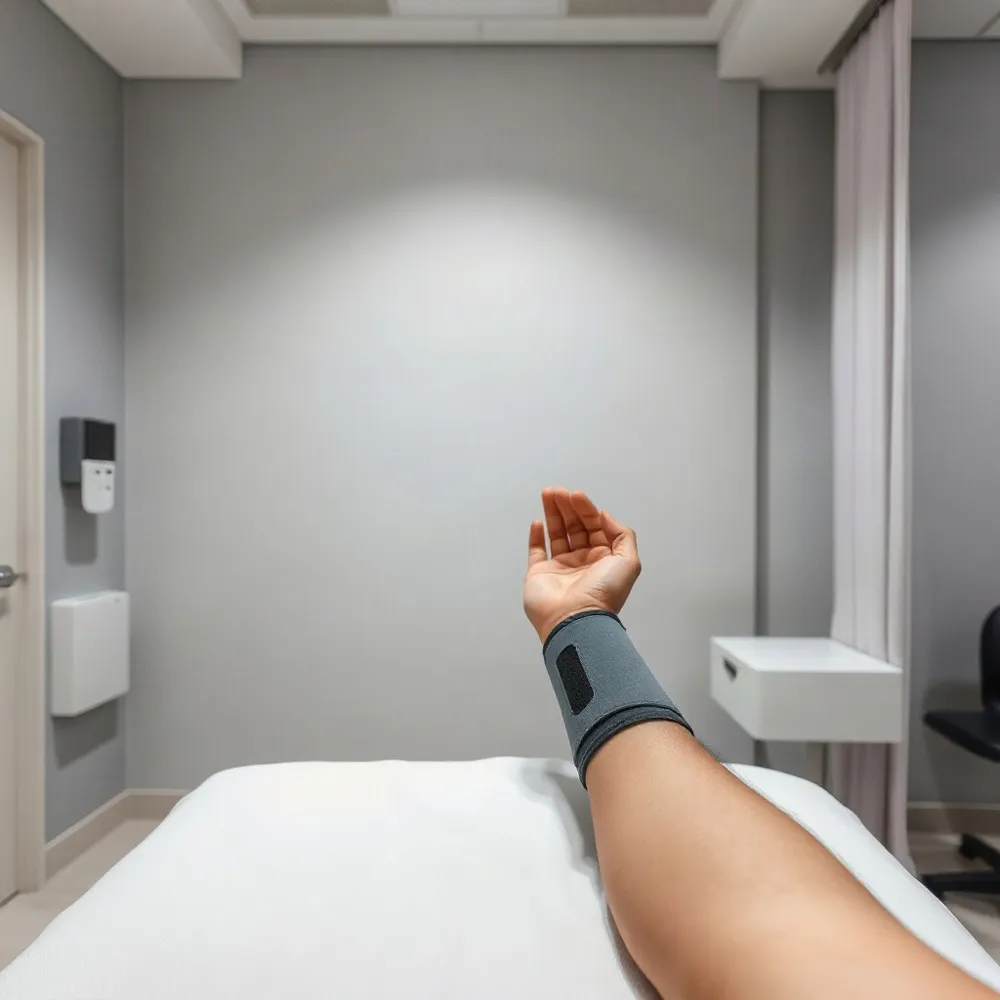 A wrist splint worn during sleep holds the wrist still and may ease nighttime tingling and numbness. Keeping the wrist steady overnight may also help prevent symptoms during the day, particularly when symptoms are mild or intermittent, as described in Mayo Clinic’s guidance on carpal tunnel treatment.
Choose a splint that feels snug but not tight, and avoid sleeping with your hands tucked beneath your body. Night splinting may be a practical option during pregnancy because it does not require medication. At Advanced Integrative Medicine, Dr. Jaimal Sangha’s practice takes a conservative, patient-centered approach, with treatment choices guided by a person’s symptoms and circumstances.
During the day, brief and frequent breaks from repetitive hand tasks, gentle wrist rotations, and easy stretches of the palms and fingers may offer short-term relief. A cold pack may also help. Keep movements comfortable rather than forcing a stretch, and stop if an activity clearly worsens symptoms.
These home measures are not a substitute for assessment when symptoms persist or worsen. Arrange medical evaluation for constant numbness, increasing weakness, or visible muscle loss near the base of the thumb. A splint may help manage symptoms, but it may not be enough when nerve problems are progressing.
Changing Activities That Trigger Symptoms
Everyday tasks may bring on carpal tunnel symptoms without being the cause of the condition. Holding a phone or book for a long time, gripping a steering wheel, and repeating hand movements can aggravate tingling or discomfort in some people. Noticing which tasks coincide with symptoms can help guide practical changes, as described in Mayo Clinic’s carpal tunnel guidance.
Try taking brief, frequent breaks during repetitive tasks, and switch hands or reduce the time spent on an activity when possible. If a particular action reliably worsens symptoms, avoid or modify it rather than pushing through. During tasks, keep the wrist in a comfortable, neutral position where practical, instead of holding it bent for long periods.
For phone or book use, changing your grip or supporting the item may reduce sustained effort. While driving, adjust your hand position when safe and take breaks on longer trips. Workspace changes, such as repositioning frequently used items or trying a different tool, may also be worth considering. What helps depends on the task and the individual, so these adjustments are not a guaranteed treatment.
At Advanced Integrative Medicine, Dr. Jaimal Sangha’s patient-centered approach considers conservative options in the context of a person’s symptoms and daily activities. Activity changes can be part of that discussion, alongside other nonsurgical care, rather than a substitute for assessment.
If pain, numbness, or weakness continues despite changing aggravating activities, seek evaluation from a healthcare professional. Persistent symptoms may need further assessment to confirm the cause and decide whether additional care is appropriate.
Exercises and Therapy With Caution
What exercises or therapy approaches may help with carpal tunnel syndrome? A clinician or therapist may consider hand-focused physical or occupational therapy, including nerve or tendon gliding and gentle wrist and hand mobility work. These movements are intended to encourage the median nerve and tendons to move through the wrist, but the proposed effects do not establish that the exercises relieve symptoms.
A therapist can adapt movements to a person’s symptoms, hand function, and tolerance. Other approaches studied include manual mobilisation and soft-tissue techniques. A Cochrane review found the evidence for exercise and mobilisation to be limited and very low quality, so no particular method can be described as a proven treatment or a reliable way to avoid surgery. The review of exercise and mobilisation for carpal tunnel syndrome also noted that the studies tested varied programs and combinations of care.
Programs differ in the movements used, how they are taught, and how they are combined with splinting or activity changes. As a result, findings from one approach may not apply to another. The available research also does not firmly establish whether benefits last or how safe these methods are, since few studies reported longer-term outcomes or possible harms.
Advanced Integrative Medicine takes a conservative, patient-centered approach to pain care, and exercises should likewise be matched to an individual rather than treated as a universal routine. Discuss a new exercise or complementary therapy with a healthcare professional, especially if numbness or weakness is persistent. Stop and seek advice if a movement aggravates symptoms. General exercise examples are educational only; they are not a substitute for an assessment and an individualized plan from a qualified clinician or therapist.
Pain Medicines and Their Limits
Over-the-counter medicines may ease discomfort while other care is considered. Acetaminophen, ibuprofen, or naproxen can provide short-term pain relief for some people with carpal tunnel syndrome, according to Mayo Clinic’s treatment guidance.
That relief has limits. Mayo Clinic notes there is no evidence these medicines improve the underlying syndrome. Pain relief does not mean pressure on the median nerve has been reduced, nor does taking a pain reliever guarantee recovery. These medicines should be viewed as symptom relief, not a cure or a substitute for assessing the cause of persistent symptoms.
The right choice depends on a person’s health and other medicines. Ask a clinician or pharmacist whether a pain reliever is appropriate, especially if you have other health concerns or take prescription or over-the-counter medicines. Follow the product directions, and do not increase the dose or combine products without checking that it is safe.
If pain, numbness, or weakness continues or worsens, seek medical evaluation rather than relying on increasingly frequent or stronger self-treatment. A healthcare professional can review the symptoms and discuss whether another approach is needed. At Advanced Integrative Medicine, Dr. Jaimal Sangha’s practice focuses on patient-centered, nonsurgical care, including regenerative medicine options; persistent symptoms still call for an individualized medical assessment.
Corticosteroid Injections and Other Care
When symptoms continue despite basic measures, a healthcare professional may discuss a corticosteroid injection as another nonsurgical option. The medicine, such as cortisone, is injected into the carpal tunnel to reduce swelling and pressure on the median nerve. It is a clinician-directed treatment, not a guaranteed or permanent fix.
Ultrasound may be used to guide the injection, helping the clinician see the wrist structures during the procedure. Mayo Clinic describes oral corticosteroids as less effective for carpal tunnel syndrome than corticosteroid shots. The choice of treatment depends on a person’s symptoms and assessment, so persistent numbness, pain, or weakness should be discussed with a healthcare professional. Mayo Clinic’s treatment guidance outlines these options.
Advanced Integrative Medicine, led by Dr. Jaimal Sangha, focuses on non-surgical regenerative care, including platelet-rich plasma therapy for carpal tunnel syndrome. A corticosteroid injection is a different approach, aimed at reducing swelling and pressure rather than serving as a regenerative treatment. The appropriate option calls for an individualized medical discussion.
Sometimes an underlying inflammatory condition may be part of the picture. If rheumatoid arthritis or another inflammatory arthritis is contributing to carpal tunnel symptoms, treating that condition may help lessen them. However, research has not proved this effect, so arthritis treatment should not be assumed to resolve nerve compression.
PRP Evidence and Important Uncertainties
 Can platelet-rich plasma (PRP) injections help treat carpal tunnel syndrome? PRP is prepared from a person’s own blood and contains concentrated platelets. Researchers have proposed that its growth factors may support tissue repair and reduce inflammation, but these possible mechanisms do not prove that an injection will relieve symptoms or restore nerve function.
A 2022 systematic review examined eight randomized trials comparing PRP with treatments such as splinting, corticosteroid injections, saline, and other conservative care. The studies used different PRP preparation methods and injection protocols. The review’s abstract reports 220 people receiving PRP, while its results describe 436 participants across all eight trials. These are different counts, not figures to combine or treat as interchangeable. The systematic review
At about three months, some measures of pain, symptoms, function, and nerve appearance favored PRP over comparison treatments. By about six months, the only outcome that significantly favored PRP was symptom severity; several other differences were not statistically significant. The review also found no standardized preparation or dose, and adverse-event reporting was too limited to establish a full safety profile.
A separate 2017 trial compared one ultrasound-guided 3 mL PRP injection with night splinting in 60 people with mild-to-moderate carpal tunnel syndrome in one hand. At six months, some pain, symptom, and function measures favored PRP, but nerve-conduction results and pinch strength did not differ significantly. The trial was small and had no sham-injection group, so it cannot show how much of the observed improvement came from PRP itself or the injection procedure. No side effects or nerve trauma were observed among the 30 PRP recipients during the study, but that finding does not mean complications are impossible. The six-month trial
What should patients know about recovery after a PRP injection for carpal tunnel syndrome? The available studies do not establish a standard recovery timetable or universal aftercare plan. Ask the treating clinician for instructions based on the procedure, and contact them about worsening numbness or weakness, severe pain, or other concerning symptoms.
At Advanced Integrative Medicine, Dr. Jaimal Sangha’s practice offers PRP as part of its non-surgical approach to pain care. The evidence supports discussing PRP as a possible option with a qualified clinician, not treating it as an established cure, a guaranteed alternative to surgery, or a fit for every patient. A clinician can weigh the uncertain benefits against risks and other care, particularly when symptoms are severe or worsening.
When Surgery Enters the Discussion
Surgery may be discussed when carpal tunnel symptoms are severe or have not improved with other treatment. It is not an inevitable next step for everyone: the decision depends on symptom severity, clinical findings, and how the person has responded to care. At Advanced Integrative Medicine, Dr. Jaimal Sangha’s practice focuses on nonsurgical regenerative medicine and patient-centered pain management, offering a conservative perspective while recognizing that surgery may be appropriate for some people.
Carpal tunnel release works differently from splinting, medication, or injections. A surgeon cuts the ligament over the carpal tunnel to reduce pressure on the median nerve. This distinction can help patients weigh the purpose of surgery against the goals and limits of nonsurgical options, as described in Mayo Clinic’s carpal tunnel treatment guidance.
Persistent numbness, weakness, or loss of muscle bulk at the base of the thumb warrants timely medical assessment, rather than simply extending home care. A clinician can review symptoms, examination findings, and any test results, then discuss the likely benefits, risks, and alternatives. Patients can ask what signs indicate nerve damage, what further nonsurgical care is reasonable, and how waiting might affect their hand function.
Shared decision-making keeps the plan grounded in the individual’s condition and priorities. Nonsurgical care may remain suitable for some people, while others may need to consider release; neither path should be treated as automatic. The aim is to address ongoing nerve pressure with an informed plan, not to postpone evaluation when symptoms persist or worsen.
A Plan Built Around the Patient
Care may range from night splinting and activity changes to clinician-directed corticosteroid injections or selected therapy approaches. The right mix depends on the symptoms, examination findings, and how the condition affects daily activities.
If pain, numbness, or weakness persists or worsens, seek a clinical assessment rather than relying on self-treatment alone. A healthcare professional can evaluate likely causes and severity, then discuss suitable options; Mayo Clinic’s treatment guidance also recommends evaluation for persistent symptoms.
At Advanced Integrative Medicine, Dr. Jaimal Sangha’s practice focuses on patient-centered, nonsurgical pain care, including PRP for carpal tunnel. Nonsurgical treatment helps some people, but research on PRP leaves important questions about lasting benefit and consistent treatment methods. Surgery remains a possible option when clinically appropriate.