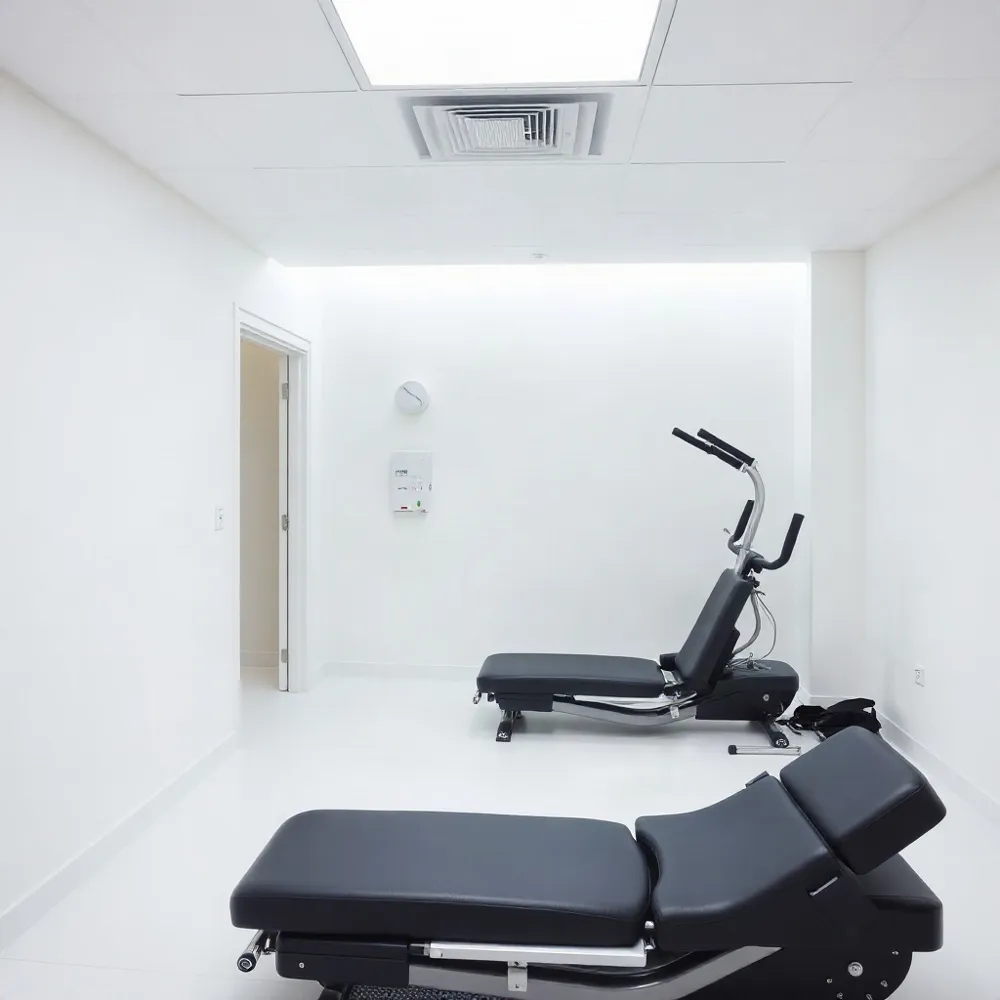
Moving Beyond One-Size-Fits-All Care
For decades, the standard approach to musculoskeletal pain has followed a predictable path: rest, anti-inflammatory medication, possibly physical therapy, and, if those fail, surgery. This one-size-fits-all model often treats symptoms rather than the underlying causes, leaving many patients with only temporary relief. A growing body of research and clinical practice is now turning toward a different philosophy: personalized, non-surgical care plans that address the individual's specific biology, lifestyle, and goals.
The shift is supported by evidence from a major Cochrane Review of 19 randomized controlled trials involving over 10,800 participants with chronic conditions. The review found that personalised care planning — a collaborative process where patients and clinicians identify problems, set goals, and create action plans — led to small but significant improvements in physical health indicators, such as a reduction in HbA1c and systolic blood pressure, as well as better psychological health and self-management capabilities. These effects were strongest when the planning was comprehensive, intensive, and integrated into routine care.
The goal is not simply to manage pain, but to achieve lasting health and avoid surgery whenever possible. This proactive, patient-centered approach represents a fundamental change in musculoskeletal care, putting the focus on root causes and conservative, evidence-based treatments. At Advanced Integrative Medicine, this philosophy is put into practice every day, with a focus on non-surgical options like Platelet-Rich Plasma therapy that support the body's natural healing processes.
Understanding Non-Surgical Medicine and Your Care Team
 Non-surgical medical treatment refers to interventions that do not involve incisions, general anesthesia, or surgical instruments. Instead, it relies on conservative approaches such as medications, physical therapy, therapeutic injections, and lifestyle modifications to manage symptoms and support the body’s natural healing processes. The goal is to resolve pain and restore function with fewer risks and a much shorter recovery compared to invasive procedures.
The primary doctors managing musculoskeletal problems are orthopedic surgeons. While trained in surgery, many orthopedists prioritize conservative care first. At the Orthopedic Center at UM Shore Regional Health, for example, the team uses advanced tools like [musculoskeletal ultrasound technology](https://www.umms.org/shore/health-services/orthopedics/non-surgical-alternatives) to choose the best non-surgical options for each patient. Rheumatologists address systemic inflammatory joint conditions but do not perform surgery. For anyone seeking to avoid the operating room, an orthopedic doctor is the specialist best equipped to guide a non-invasive recovery.
A multidisciplinary care team often drives the most effective personalized care. This model brings together a non-operative physician, physical therapist, registered dietitian nutritionist, and health coach who collaborate to identify underlying causes of pain and build targeted care plans. The biopsychosocial model supports this approach, treating biological, psychological, and social factors together. The Cochrane Review on personalised care planning shows that such integrated, patient-clinician collaboration improves physical and psychological health outcomes.
Building Your Personalized Care Plan: Key Features
A personalized care plan is a dynamic, patient-centered roadmap that begins with a thorough assessment. This process, similar to a structured nursing approach, uncovers specific health goals, tailored interventions, and clearly defines the role of each team member.
The structured process starts with a comprehensive assessment and diagnosis. This is followed by establishing clear, measurable outcomes and a timeline for implementation, including specific treatments and patient education. A critical feature is the ongoing monitoring and evaluation phase, which tracks progress and adjusts the plan as needed.
By identifying and addressing root causes, a personalized care plan supports a conservative, non-surgical path to recovery by prioritizing the body's natural healing processes. Flexibility and adaptability are built into the plan to accommodate evolving health conditions, ensuring the approach remains effective over time.
Advanced Integrative Medicine applies this structured, patient-centered framework. Each plan is built on a collaborative discussion where a patient and clinician set shared goals, create an action plan, and schedule regular progress reviews — an approach the Cochrane Review of personalised care planning found improved physical and psychological health outcomes across chronic conditions.
Non-Surgical Approaches for Musculoskeletal Pain
 For most people with chronic back pain, exercise-based physical therapy is the first and most effective treatment. It builds strength, improves flexibility, and addresses the underlying movement patterns that contribute to pain. Short-term rest during acute flare-ups can help, but prolonged inactivity usually slows recovery. Muscle relaxants may be prescribed for acute muscle spasms, and over-the-counter medications like acetaminophen or NSAIDs can reduce pain and inflammation when used cautiously.
Additional non-surgical options include topical treatments with menthol or capsaicin for localized relief, as well as lifestyle adjustments such as dietary changes, quality sleep, and stress reduction. These conservative measures form the foundation of care. One study found that between 60 percent to 90 percent of patients with lumbar disc herniation were successfully treated with conservative methods, and at New York Bone & Joint Specialists, 90 percent of all orthopedic cases are managed without surgery.
Targeted Interventional Techniques
When foundational approaches are insufficient, specific injection-based and minimally invasive procedures can provide relief. Cortisone shots deliver powerful anti-inflammatory medication directly into painful joints or tendons. Viscosupplementation, or gel injections, lubricates knee joints affected by arthritis. Other techniques such as cryoneurolysis (cold therapy to calm nerve pain), shockwave therapy (sound waves to stimulate healing), water jet therapy (high-velocity saline to remove degenerated tissue), and percutaneous needle tenotomy (breaking up scar tissue) address chronic tendon and joint problems. Low-dose radiation therapy is sometimes used to calm inflammation from osteoarthritis without surgery.
For patients seeking to avoid surgery and support their body's natural recovery, options like platelet-rich plasma (PRP) therapy offer a regenerative approach. At Advanced Integrative Medicine, Dr. Jaimal Sangha focuses on these conservative, patient-centered treatments, including PRP, to address conditions such as back pain, sports injuries, and carpal tunnel while promoting healing without surgical risks.
The Role of Regenerative Medicine and PRP Therapy
 Regenerative medicine in the musculoskeletal field is a non-surgical approach that directs the body's own healing mechanisms to repair damaged tissues such as tendons, ligaments, cartilage, and muscles. Unlike symptom-focused treatments, this field aims to address the underlying cause of pain by stimulating tissue repair. Therapies like platelet-rich plasma (PRP) and bone marrow aspirate concentrate are injected directly into injured areas to accelerate natural healing and support long-term functional recovery.
PRP is a prime example of this approach. The process begins with a blood draw from the patient. The sample is placed in a centrifuge, where spinning separates the plasma and concentrates the platelets. This platelet-rich plasma, dense with growth factors, is then injected into the injured area to promote tissue regeneration. The University of Maryland Medical System notes that this process can speed up healing for ligaments, muscles, and tendons as well as conditions like low- to moderate-grade knee osteoarthritis.
Conditions Treated with PRP
PRP injections are used to manage symptoms and support healing for several common conditions. For knee osteoarthritis, systematic reviews show that PRP can achieve higher improvement in function scores compared to hyaluronic acid injections. For tendinopathies, it has demonstrated long-term benefits for lateral epicondylitis (tennis elbow), rotator cuff tendinopathy, and patellar tendinopathy (jumper's knee). A study on tennis elbow found that PRP led to a 91% improvement in pain scores at 6 months, far surpassing steroid injections. PRP also provides safe and persistent relief for plantar fasciitis and can accelerate return to play for muscle injuries.
Limitations and Considerations
PRP does not cure arthritis or reverse joint degeneration, but it can manage symptoms in cases of mild to moderate osteoarthritis. The results are variable and depend on factors like the specific condition and the patient's physiology. The most common side effects are temporary soreness, bruising, and swelling at the injection site. Because the therapy uses the patient's own blood, the risk of allergic reaction is very low. However, there is a small risk of infection or nerve damage if the procedure is not performed correctly. PRP is also not typically covered by most health insurance plans, making it an out-of-pocket expense.
Navigating Insurance and Evidence for Regenerative Care
Insurance coverage for treatments like platelet-rich plasma (PRP) and stem cell therapy varies widely by provider and policy. Many insurers classify these therapies as experimental or investigational and do not cover them. Patients should check with their insurance company and the provider's office to understand their specific benefits. For costs not covered, clinics may offer financing options such as CareCredit.
At Advanced Integrative Medicine, the focus is on evidence-based regenerative therapies like PRP, which uses the patient's own blood to concentrate platelets and growth factors at the injury site. This conservative approach aims to support the body's natural recovery processes while minimizing risks.
What the Evidence Says
A Cochrane Review of 19 randomized controlled trials with over 10,800 participants found that personalized care planning leads to measurable improvements. Physical health indicators such as glycated hemoglobin (HbA1c) improved by 0.24% and systolic blood pressure dropped by 2.64 mm/Hg. Psychological health also benefited, with depression scores improving by a standardized mean difference of 0.36. Additionally, patients showed better self-management capabilities, including self-efficacy.
These effects were strongest when the care planning was comprehensive, involved frequent contacts, and was integrated into routine clinical care. No evidence of adverse effects was observed.
The Problem with Unregulated Clinics
The biggest challenge facing regenerative medicine is a lack of long-term safety data and standardized protocols. This allows unregulated clinics to market unproven therapies without sufficient evidence, creating inconsistent results for patients. High out-of-pocket costs and limited insurance coverage further restrict access to legitimate, evidence-based care. Potential biological risks, such as unpredictable immune reactions or tumor formation with certain cell types, remain unresolved.
Because PRP injections use the patient's own cells and plasma, the risk of allergic reaction is much lower than with injectable medications like corticosteroids. Common side effects are limited to soreness and bruising at the injection site.
Understanding these risks and uncertainties is essential before pursuing any regenerative treatment. Working with a practice that emphasizes conservative, patient-centered care and stays current with the evidence helps ensure that treatment decisions are grounded in science rather than hype.
Your Daily Path to Improved Musculoskeletal Health
Daily movement is the foundation of musculoskeletal health. Regular low-impact exercise — walking, stretching, and strength training — keeps bones, muscles, ligaments, and tendons strong and functional. A 2013 study found that patients actively engaged in their healthcare decisions are twice as likely to seek care and three times more likely to have better health outcomes, according to researchers referenced by Vori Health.
Proper nutrition supports bone density and joint function. Calcium and vitamin D are essential for maintaining strong bones, while a healthy weight reduces stress on weight-bearing joints. These daily habits work together to prevent injury and maintain pain-free mobility.
When problems do arise, early, non-surgical intervention can make a difference. Specialists offering therapies like Platelet-Rich Plasma (PRP) can support the body's natural healing processes and provide alternatives to surgery. Clinics such as Advanced Integrative Medicine emphasize a conservative, patient-centered approach, using PRP therapy for conditions like back pain and sports injuries to accelerate recovery without the risks of surgery.
Combining daily proactive habits — exercise, nutrition, weight management — with personalized, conservative care enhances overall musculoskeletal well-being and quality of life. This integrated approach shifts the focus from reactive treatment to sustained, lifelong health.
Empowering Your Journey to Lasting Health
A personalized care plan built on conservative, non-surgical treatments and an active, patient-centered role offers the most effective route to lasting musculoskeletal health. By addressing root causes rather than just symptoms, this approach empowers you to support your body's natural healing processes.
The evidence from a comprehensive review supports this shift: personalised care planning led to measurable improvements in physical health (lower HbA1c and blood pressure), psychological well-being (reduced depression scores), and self-management capabilities, all without adverse effects. These outcomes mirror the philosophy of a practice like Advanced Integrative Medicine, where every treatment plan is tailored to the individual.
Embracing personalized care is an invitation to improve your quality of life, avoid unnecessary surgery, and achieve sustainable well-being. The path forward is one of collaboration, where you and your care team work together to design a plan that fits your unique needs, goals, and lifestyle.