The Foundation of Vital Aging
How we age is not a matter of chance. The health of the musculoskeletal system — the bones, muscles, and joints that enable every step, lift, and daily activity — largely determines whether later years are lived in pain and limitation or with freedom and independence. The World Health Organization reports that approximately 1.71 billion people have musculoskeletal conditions, making them the leading contributor to disability worldwide. This makes musculoskeletal health one of the most pressing priorities for an aging global population.
The goal of healthy aging extends beyond simply adding years to life; it is about extending healthspan — the years lived without major disability or chronic illness. Musculoskeletal health is the cornerstone of that goal. When bones weaken, joints stiffen, or muscles lose mass, mobility declines and the ability to participate in society shrinks. Protecting this system is not optional for a long, active life.
Forward-looking approaches to maintaining musculoskeletal health emphasize conservative, patient-centered care. Dr. Jaimal Sangha at Advanced Integrative Medicine in Merced, California, applies this philosophy by focusing on non-surgical treatments such as platelet-rich plasma (PRP) therapy. The practice aims to support the body's natural healing processes and offer effective alternatives to invasive procedures, helping patients preserve their musculoskeletal system as a foundation for healthy aging.
What Is the Musculoskeletal System?
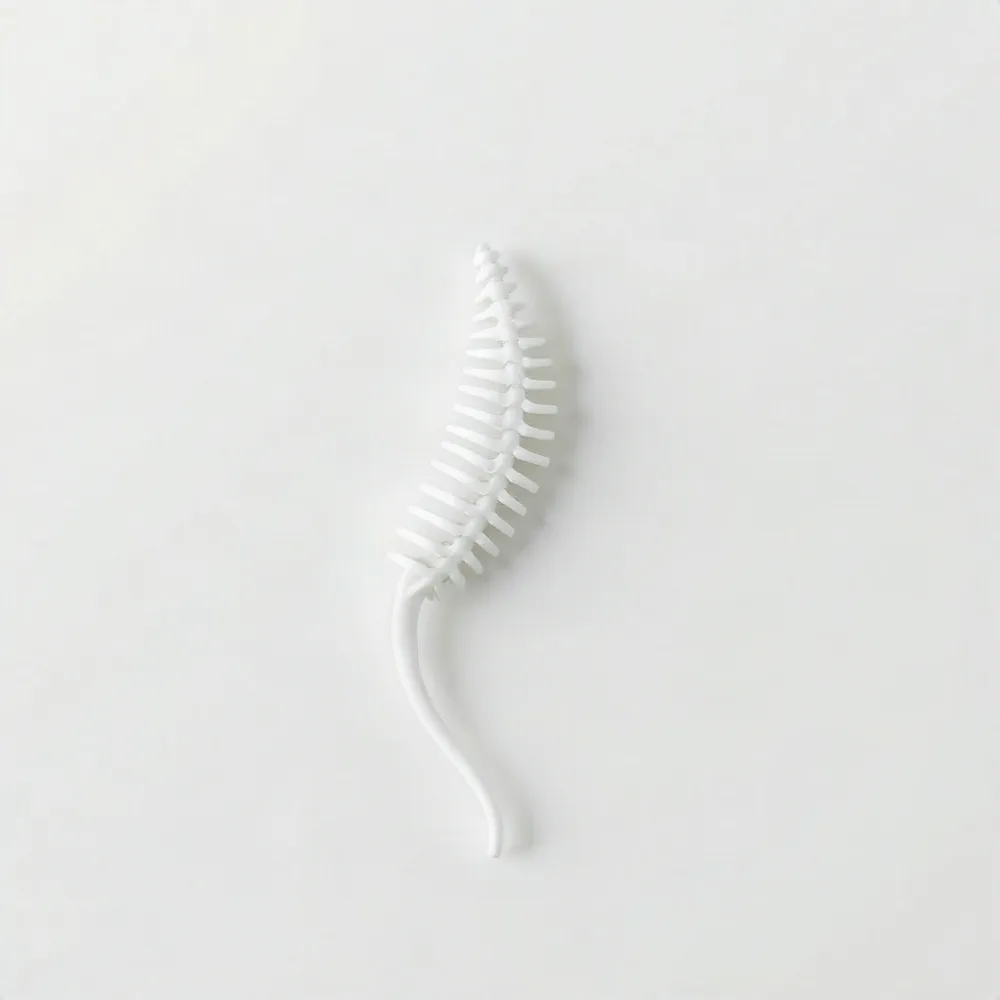 The musculoskeletal system is the body’s structural framework. It consists of bones, joints, ligaments, muscles, and tendons that work together to provide support, protect organs, and enable movement. These components also include connective tissues that link and stabilize the entire system.
Beyond its mechanical role, the musculoskeletal system acts as an endocrine organ. When stimulated by exercise, it releases biochemical signals that communicate with other organs, including the brain, heart, and liver. This signaling helps regulate metabolism, inflammation, and overall health. According to the IU School of Medicine, regular physical activity through muscle-bone interactions plays a vital role in maintaining health, while a lack of exercise contributes to obesity and chronic diseases such as diabetes.
Disorders of this system are the leading cause of disability in the United States. Globally, approximately 1.71 billion people live with musculoskeletal conditions. Low back pain alone is the single leading cause of disability in 160 countries. Because of population growth and aging, these numbers are rising rapidly.
Maintaining musculoskeletal health is foundational for avoiding chronic pain, limited mobility, and loss of independence as we age. Without a healthy system, individuals face increased risks for conditions such as osteoarthritis, osteoporosis, and sarcopenia, which directly impact quality of life and the ability to stay active. For those seeking non-surgical options to support musculoskeletal health, the team at Advanced Integrative Medicine offers regenerative treatments like Platelet-Rich Plasma therapy, which focus on the body’s natural repair processes.
How Aging Reshapes Your Bones, Joints and Muscles
Aging introduces predictable changes to the musculoskeletal system. Starting around age 30, bone density begins to decline in both men and women, with the loss accelerating sharply after menopause, making bones more fragile and increasing the risk of fractures Merck Manuals. Hip fractures, a common consequence of weakened bone, often lead to significant complications and reduced mobility in later years.
Joints are also affected. The cartilage inside a joint becomes thinner and loses some of its resilience as the proteoglycans that help cushion it are altered. This reduced shock absorption predisposes the joint to damage and osteoarthritis. Meanwhile, ligaments and tendons stiffen and become more brittle, narrowing range of motion and making everyday movements feel harder WHO.
Sarcopenia, the gradual loss of muscle mass and strength, starts around age 30 and progresses at a rate of 1–2% per year after the fourth decade Frontiers in Medicine. Fast-twitch muscle fibers, responsible for quick movements like catching yourself before a fall, decrease far more than slow-twitch fibers. This decline in muscle strength places added stress on weight-bearing joints such as the knees.
These biological changes are not an inevitable sentence to stiffness and pain. A consistent program of exercise and proper nutrition can partially reverse or significantly delay the decline in bone density, joint resilience, and muscle strength Merck Manuals. The body retains an impressive capacity to respond to the right inputs, even well into later decades.
Common Musculoskeletal Disorders in Older Adults
The same age-related changes that reshape bones, joints, and muscles also set the stage for several well-defined disorders. Three conditions — osteoarthritis, osteoporosis, and sarcopenia — account for the bulk of disability in later life and often occur together, creating a compounding effect on mobility and independence.
Osteoarthritis (OA) is a degenerative joint disease marked by the gradual wearing down of protective cartilage. According to the World Health Organization, OA affects approximately 528 million people worldwide, making it one of the most common joint disorders. The resulting bone-on-bone friction causes pain, stiffness, and functional decline, particularly in weight-bearing joints such as the knees and hips.
Osteoporosis is often called a "silent disease" because bone density can drop dangerously low without any warning signs until a fracture occurs. Globally, more than 200 million people live with osteoporosis. As noted by the Merck Manual, bone loss begins around age 30 and accelerates sharply after menopause. The result: 1 in 2 women and 1 in 4 men over 50 will break a bone due to osteoporosis, and hip fractures carry a 20–30% increase in one-year mortality.
Sarcopenia — the progressive loss of muscle mass and strength — typically starts in the fourth decade of life and proceeds at 1–2% per year. By age 80, up to 50% of individuals are affected. Sarcopenia not only weakens grip and gait but also elevates fall risk, fracture incidence, and the likelihood of hospital readmission. The condition shares many biological drivers with osteoporosis, including chronic inflammation and hormonal changes, which is why the two are frequently diagnosed together as "osteosarcopenia."
These disorders rarely exist in isolation. When osteoarthritis, osteoporosis, and sarcopenia cluster, they dramatically amplify the risk of falls, fractures, and functional decline. The good news is that each of these conditions responds to early, targeted intervention — a message that is central to preserving quality of life through the later decades.
Why Muscle Mass and Strength Matter for Longevity
 Muscle mass is a direct driver of mobility, balance, and fall prevention — the three pillars of independence in later life. Research consistently highlights the leg muscles (quadriceps, hamstrings, glutes) and grip strength as powerful longevity markers. Strong lower-body muscles are essential for standing from a chair, climbing stairs, and maintaining stability, all of which are correlated with a lower risk of falls and early death.
Greater muscle mass is also linked to a longer lifespan and reduced mortality from cardiovascular disease and cancer. Muscle tissue acts as a metabolic reservoir, supporting bone density, glucose regulation, and overall metabolic health. When muscle declines in a condition called sarcopenia, the risk of falls, fractures, hospital readmission, and all-cause mortality rises significantly.
The good news is that it is never too late to rebuild muscle. Dedicated resistance training and adequate protein intake can reverse or delay the loss of muscle mass and strength, even in older adults. At Advanced Integrative Medicine, Dr. Jaimal Sangha supports a conservative, patient-centered approach that pairs strength training guidance with non-surgical regenerative options, helping patients preserve muscle for a healthier, more resilient body.
Proven Strategies to Strengthen Musculoskeletal Health
Preserving musculoskeletal health with age requires a consistent combination of targeted exercise and sound nutrition. Weight-bearing activities such as walking or stair climbing help maintain bone density, while resistance training (using free weights, bands, or body-weight exercises) builds muscle mass and strength to counter sarcopenia. Low-impact aerobic options like swimming and cycling support cardiovascular health without stressing aging joints, and flexibility practices such as yoga or tai chi preserve range of motion and reduce fall risk.
Nutrition plays an equally direct role. Older adults benefit from a daily protein intake of 1.0 to 1.2 g per kilogram of body weight to support muscle repair and growth, paired with 1,000–1,200 mg of calcium and 800–1,000 IU of vitamin D to preserve bone strength. Adequate hydration maintains joint lubrication and tissue elasticity, while good sleep hygiene and proper posture reduce cumulative strain. Protecting joints also means maintaining a healthy body weight, which lessens pressure on the knees, hips, and lower back.
Many of these lifestyle measures are the foundation of a conservative, patient-centered approach to musculoskeletal care. At Advanced Integrative Medicine, Dr. Jaimal Sangha prioritizes non-surgical, evidence-based strategies—such as Platelet-Rich Plasma therapy—that work with the body's natural repair processes rather than replacing them. By combining daily movement with targeted nutrition and, when needed, regenerative support, older adults can actively preserve their independence and extend their healthiest years.
Non-Surgical Innovations: Regenerative Medicine Options
For many older adults facing joint pain, tendon injuries, or osteoarthritis, surgery is not the only path forward. Regenerative medicine taps into the body's own healing mechanisms to repair damaged tissues, offering a minimally invasive alternative that aligns with the goals of healthy aging.
These therapies include platelet-rich plasma (PRP) injections, which deliver a concentrated dose of growth factors directly to injured sites. PRP is drawn from the patient's own blood and has been studied for conditions such as knee osteoarthritis and tendon injuries. Another approach, bone marrow aspirate concentrate (BMAC), harvests stem cells and growth factors from the patient's hip to promote tissue regeneration. Microfragmented adipose tissue (MFAT) uses fat-derived regenerative cells, including mesenchymal stem cells, to encourage healing. Each technique aims to restore function, not just mask symptoms.
At Advanced Integrative Medicine, Dr. Jaimal Sangha offers these non-surgical options as part of a conservative, patient-centered philosophy. The focus is on supporting the body's natural recovery processes for conditions like back pain, sports injuries, and osteoarthritis. Unlike traditional approaches that rely on medications or surgery, these treatments seek to address the underlying damage.
What to Know About Cost and Coverage
One important consideration is that most insurance plans classify regenerative medicine procedures, including PRP and stem cell therapies, as experimental and investigational. As a result, patients typically pay out-of-pocket. However, many clinics provide financing options or payment plans to make these treatments more accessible. Before proceeding, it is wise to verify coverage with your insurer and choose a reputable clinic that provides transparent information about costs, expected outcomes, and the evidence behind its protocols.
Overcoming Ageism and Taking Charge of Your Care
 Ageism in healthcare can lead providers to dismiss joint pain or stiffness as a normal part of growing older, rather than investigating treatable conditions such as arthritis or osteoporosis. This mindset delays diagnosis and can worsen outcomes over time. Asking for a thorough evaluation and seeking a second opinion when answers are unsatisfying are important steps in ensuring your concerns are taken seriously.
Osteoporosis often remains undiagnosed until multiple fractures occur, even though effective screening tools and treatments exist. A bone mineral density test (DXA scan) is the gold standard for detecting bone loss and is recommended for all women 65 and older and men 70 and older according to the World Health Organization. Regular assessments can catch problems before they lead to life-altering fractures.
You can also monitor your own musculoskeletal health at home. Simple self-checks like a grip strength test, the Timed Up and Go assessment, or a fall risk evaluation can reveal early signs of decline. When paired with routine bone density scans and conversations with your healthcare team, these tools help you stay ahead of age-related changes.
Shared decision-making with a team that includes physical therapists, nutritionists, and pain specialists gives you more control over your care. At Advanced Integrative Medicine, Dr. Jaimal Sangha emphasizes a conservative, patient-centered approach that prioritizes non-surgical treatments for musculoskeletal conditions. By staying informed and engaged, you can shape a care plan that supports your mobility and independence for years to come.
Your Musculoskeletal System Is Your Best Asset for Healthy Aging
The evidence from over 1.7 billion people worldwide living with musculoskeletal conditions makes one point clear: the health of your bones, joints, and muscles is the single most influential factor in how well you age. When the musculoskeletal system functions well, you stay mobile, independent, and engaged in the activities that give life meaning. When it declines, the ability to work, travel, dress yourself, and even socialize diminishes.
Yet decline is not inevitable. The same research that documents age-related losses in bone density, joint resilience, and muscle mass also shows that targeted exercise, proper nutrition, and non-surgical regenerative therapies can delay, mitigate, or even reverse much of that loss. A consistent program of weight-bearing exercise and adequate protein intake can slow sarcopenia by preserving muscle mass throughout life. Early intervention with conservative treatments helps many patients avoid surgery while restoring function to damaged joints and connective tissues.
Pain and stiffness are not merely
normal parts of growing older. They are symptoms worth investigating. A patient-centered approach focuses on identifying the root cause of discomfort and supporting the body's natural recovery processes before turning to invasive procedures. Dr. Jaimal Sangha and the team at Advanced Integrative Medicine apply this philosophy daily, offering non-surgical options such as Platelet-Rich Plasma (PRP) therapy to promote tissue repair and reduce pain without the risks of surgery or long-term medication dependence.
The choices made today carry forward. Investing in musculoskeletal health is an investment in healthspan, the years of vibrant, active living that define a quality life. By adopting proactive strategies and rejecting the idea that age-related decline is unavoidable, you stack the odds in favor of mobility, independence, and well-being for decades to come.
| Area | Goal | Action to Take |
|---|---|---|
| Bone density | Slow loss, prevent fractures | Weight-bearing exercise, calcium, vitamin D, DXA screening |
| Joint function | Reduce pain, maintain flexibility | Strength training, PRP therapy, proper nutrition, hydration |
| Muscle mass | Delay sarcopenia, preserve strength | Resistance training, adequate protein, balanced diet |
| Overall mobility | Maintain independence, reduce fall risk | Balance exercises, posture correction, annual physical checks |